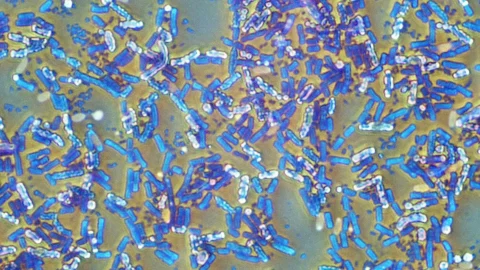
Bacteria lose ability to form spores when living in comfortable lab conditions
Researchers explain why bacteria stop making survival capsules after evolving in nutrient-rich environments.
Researchers explain why bacteria stop making survival capsules after evolving in nutrient-rich environments.
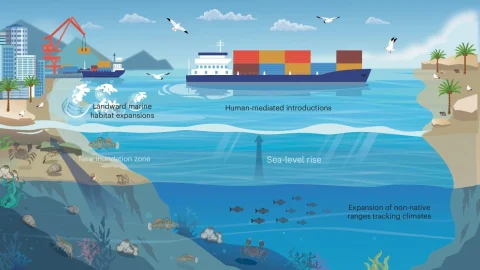
A study published in Nature Ecology & Evolution projects that rising global sea levels will flood coastal areas suitable for over a hundred non-native marine animals by the end of this century.
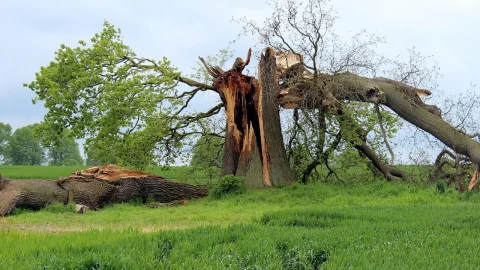
A new study published Sept 17 in Urban Forestry & Urban Greening reports that tree damage is significantly higher in impoverished areas across 29 U.S. cities.
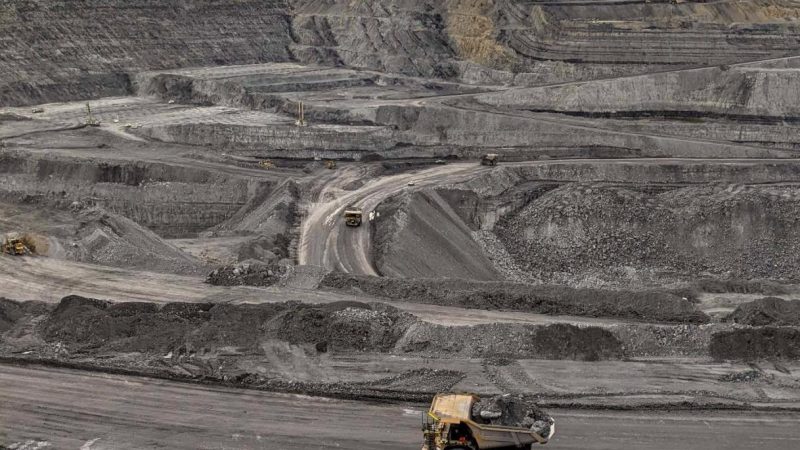
A new climate impact calculator has been used to estimate the real-world effects of carbon emissions from the HVO coal mine in New South Wales.
A team at the University of Oulu published findings in PRX Quantum regarding the stability constraints of new quantum battery systems.
Pakistani pilots Zeeshan Ali and Khurram Daud are completing training in Beijing with a final selection decision expected in mid-to-late October for a flight to the Tiangong space station.
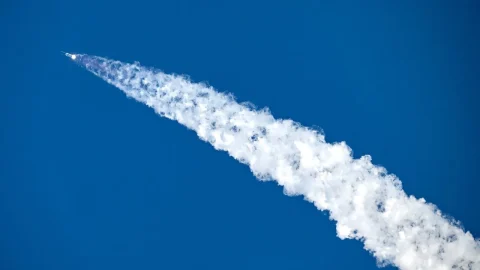
SpaceX launched its Starship rocket from Texas on Monday to attempt the vehicle's first entry into Earth orbit.
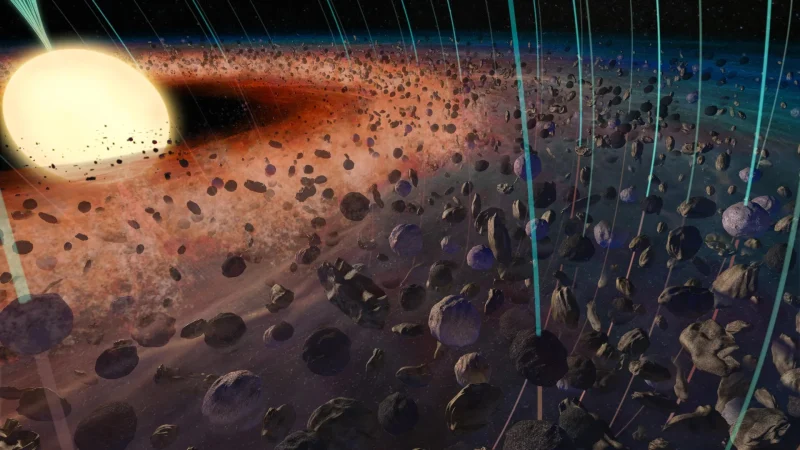
Researchers at MIT report that ancient grains in an Antarctic meteorite reveal powerful magnetism existed during the first 200,000 years of the solar system.
Hazel dormice have been discovered on Babers Farm in Marshwood, near Bridport, Dorset, following habitat work by the Countryside Regeneration Trust since May.
A shipwreck was found on a beach in Nantucket, Massachusetts, following severe weather conditions.