Study finds damaged trees affect low-income neighborhoods more than wealthy ones
A new study published Sept 17 in Urban Forestry & Urban Greening reports that tree damage is significantly higher in impoverished areas across 29 U.S. cities.
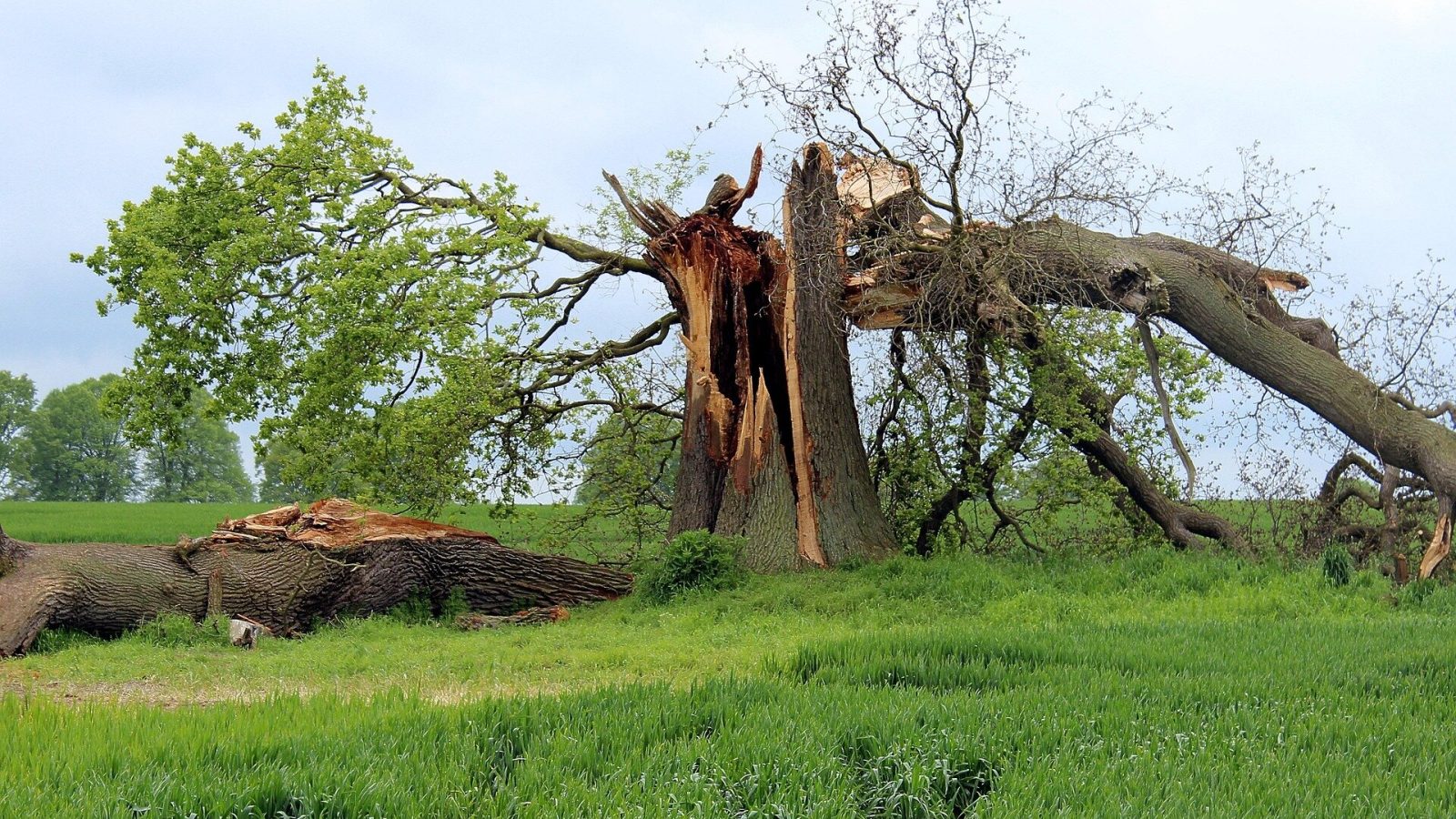
Discrepancy in tree health
Researchers analyzed public data from representative city plots to compare tree conditions. On average, 17 percent of trees were damaged in the whitest and most affluent neighborhoods. In contrast, nearly 60 percent of trees showed damage in impoverished and racially diverse neighborhoods.
Impact on minority areas
Trees located in minority neighborhoods also possessed seven percent fewer leaves than those in wealthier districts. The study indicates these trees were more likely to be dead compared to others. This pattern of disparity was observed across all 29 cities included in the research.
Researcher observations
First author Maya Mangala-Munuma noted a clear line where tree appearance changed between affluent and poor areas. She investigated whether this difference represented a consistent phenomenon rather than an isolated incident. Senior author Daniel Katz described the finding as striking because it holds true for every city studied.
Reported by one outlet
Only one outlet has published this. Nothing here has been checked against a second report, so read it as that outlet's account and follow the link below for the original.
Reported by
1 independent outlet. Headline as published. Links open the original report.