Bangladesh brick kiln upgrades reduce pollution but workers miss out
Research from the University of Michigan shows cleaner brick kilns in Bangladesh cut emissions and improved fuel efficiency without sharing gains with laborers.
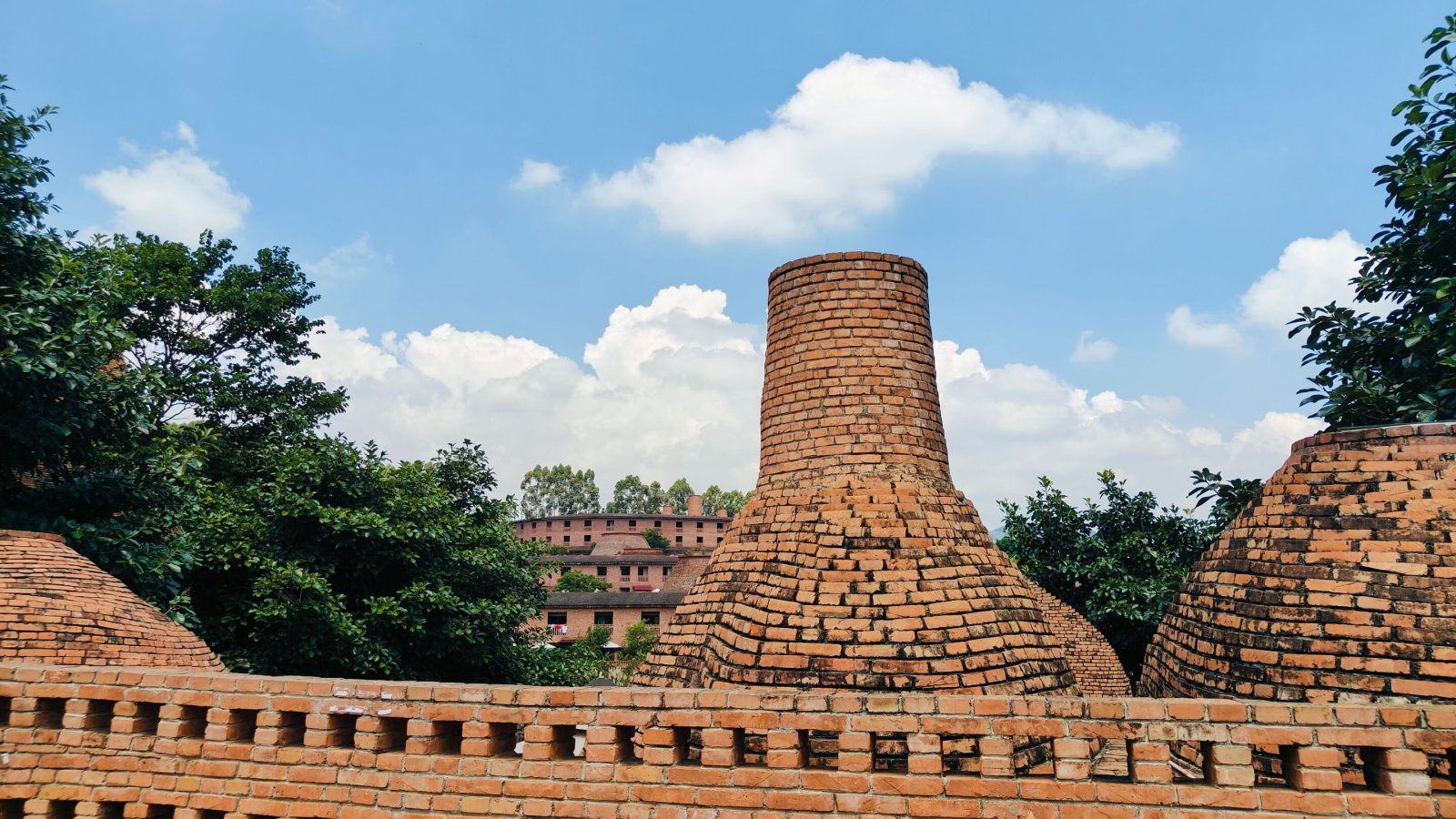
Simple changes improve production output
Relatively simple operational adjustments to traditional kilns can reduce pollution levels while saving fuel. These modifications also lead to higher quality bricks for the domestic market. The process does not require kiln owners to invest in expensive new technology.
Pollution remains a major health risk
Brickmaking is associated with substantial carbon emissions and fine particulate matter known as PM2.5. Ambient air pollution from these sources contributes to a global public health crisis involving premature deaths. Bangladesh produces approximately 8,000 traditional kilns that supply over 90 percent of domestic consumption.
Productivity gains do not reach staff
The research found that increased business productivity and profitability did not translate into better conditions for workers. In the short term, the people doing the work did not share in the financial benefits of cleaner production. This conclusion comes from a multiyear study involving Nina Brooks at the U-M School for Environment and Sustainability.
Reported by one outlet
Only one outlet has published this. Nothing here has been checked against a second report, so read it as that outlet's account and follow the link below for the original.
Reported by
1 independent outlet. Headline as published. Links open the original report.