Pacific hurricane season intensifies with El Nino driving record storm counts
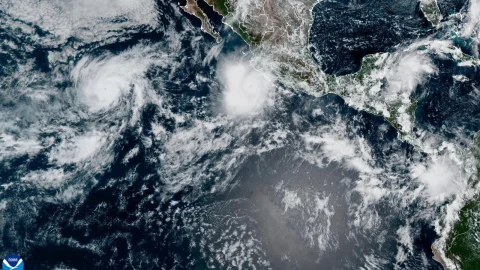
Warmer Pacific waters and El Nino conditions have caused an intense hurricane season that has already exceeded typical numbers.
Warmer Pacific waters and El Nino conditions have caused an intense hurricane season that has already exceeded typical numbers.
Across the country, organizations are working to return lost objects to disaster survivors years after major storms.
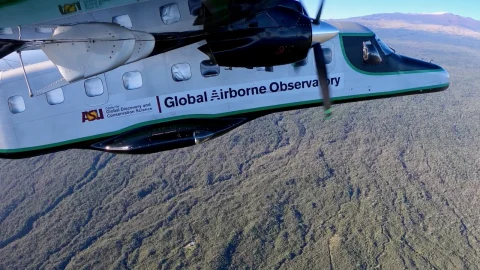
Scientists in Peru used aircraft sensors to link forest structure with the ranges of over 1,300 bird species.
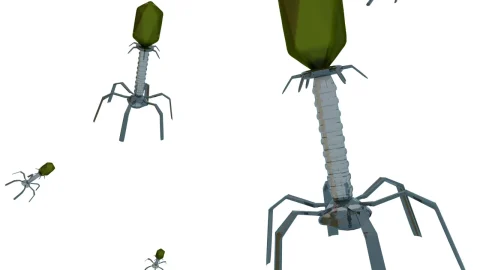
Researchers at the University of Otago in New Zealand have developed a new method to mutate bacteriophages using CRISPR-Cas technology.
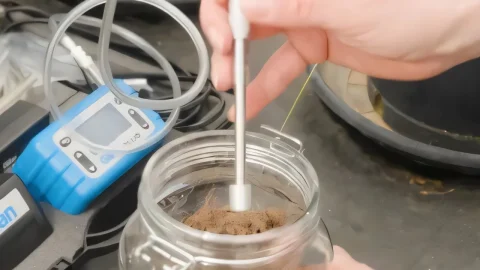
Ecologist Rosa Boone installed odor-capturing tubes in eighteen grasslands near Nijmegen to analyze soil health based on microbial communities.
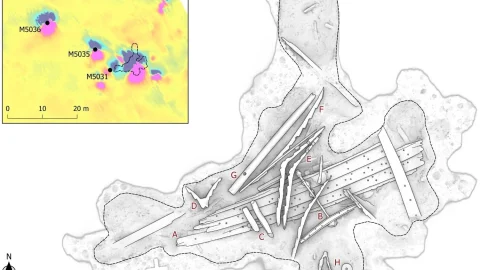
Divers discovered a 400-year-old shipwreck in the Bay of Greifswald, northern Germany, while clearing anomalies for an underwater gas pipeline project.
A new study published today in the Proceedings of the National Academy of Sciences examines how current urban inequality in the Portland metropolitan area exceeds the historical impact of 1930s redlining maps.
A study from the University of Florida Warrington College of Business finds that people often overestimate how predictable wait times are.
Science journalist Siri Carpenter introduces an edited collection of articles and interviews that examines how to write high-quality science reporting.
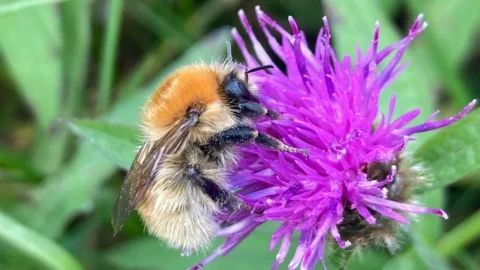
The Bumblebee Conservation Trust and the University of Cambridge have started a three-year scheme to recover the Moss carder bumblebee across landscapes in Cornwall, Kent, and the North Pennines.