New study finds modern urban inequality extends beyond redlining legacy in Portland
A new study published today in the Proceedings of the National Academy of Sciences examines how current urban inequality in the Portland metropolitan area exceeds the historical impact of 1930s redlining maps.
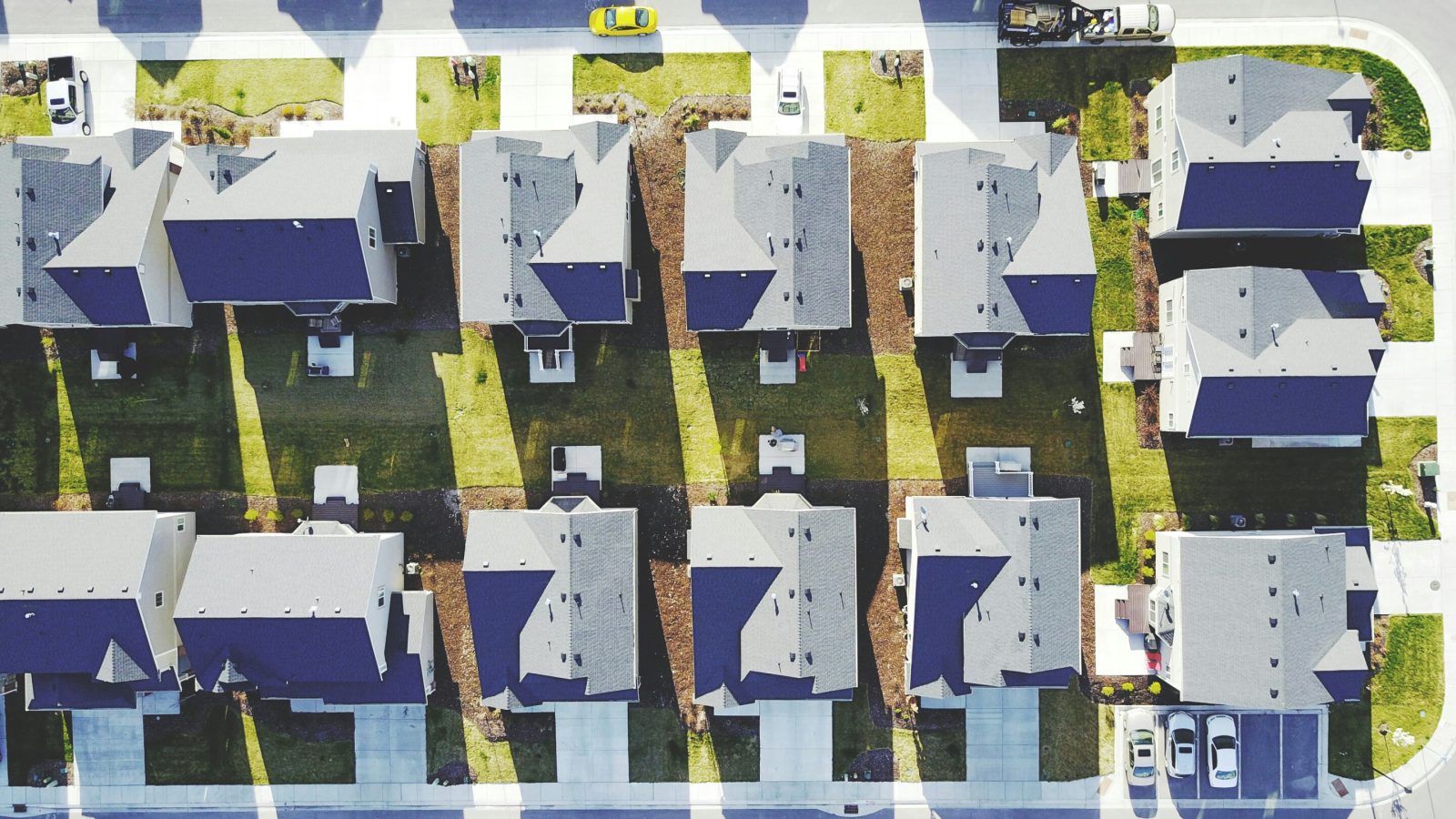
Research focuses on Portland area
The research team analyzed patterns of privilege and disadvantage within the Portland, Oregon region. They determined that simply mapping old redlined neighborhoods fails to capture the complex reality of modern cities.
Historical maps shaped poverty cycles
Discriminatory housing maps created in 1935 by the Home Owners' Loan Corporation established multigenerational cycles of segregation. These color-coded rankings indicated which areas were considered safe for real estate investment at the time.
Cities have grown beyond centers
Most United States cities have expanded far past their original downtown locations since those maps were drawn. Current gentrification and displacement now create uneven landscapes of risk that differ from historical patterns.
Reported by one outlet
Only one outlet has published this. Nothing here has been checked against a second report, so read it as that outlet's account and follow the link below for the original.
Reported by
1 independent outlet. Headline as published. Links open the original report.