Bacteria lose ability to form spores when living in comfortable lab conditions
Researchers explain why bacteria stop making survival capsules after evolving in nutrient-rich environments.
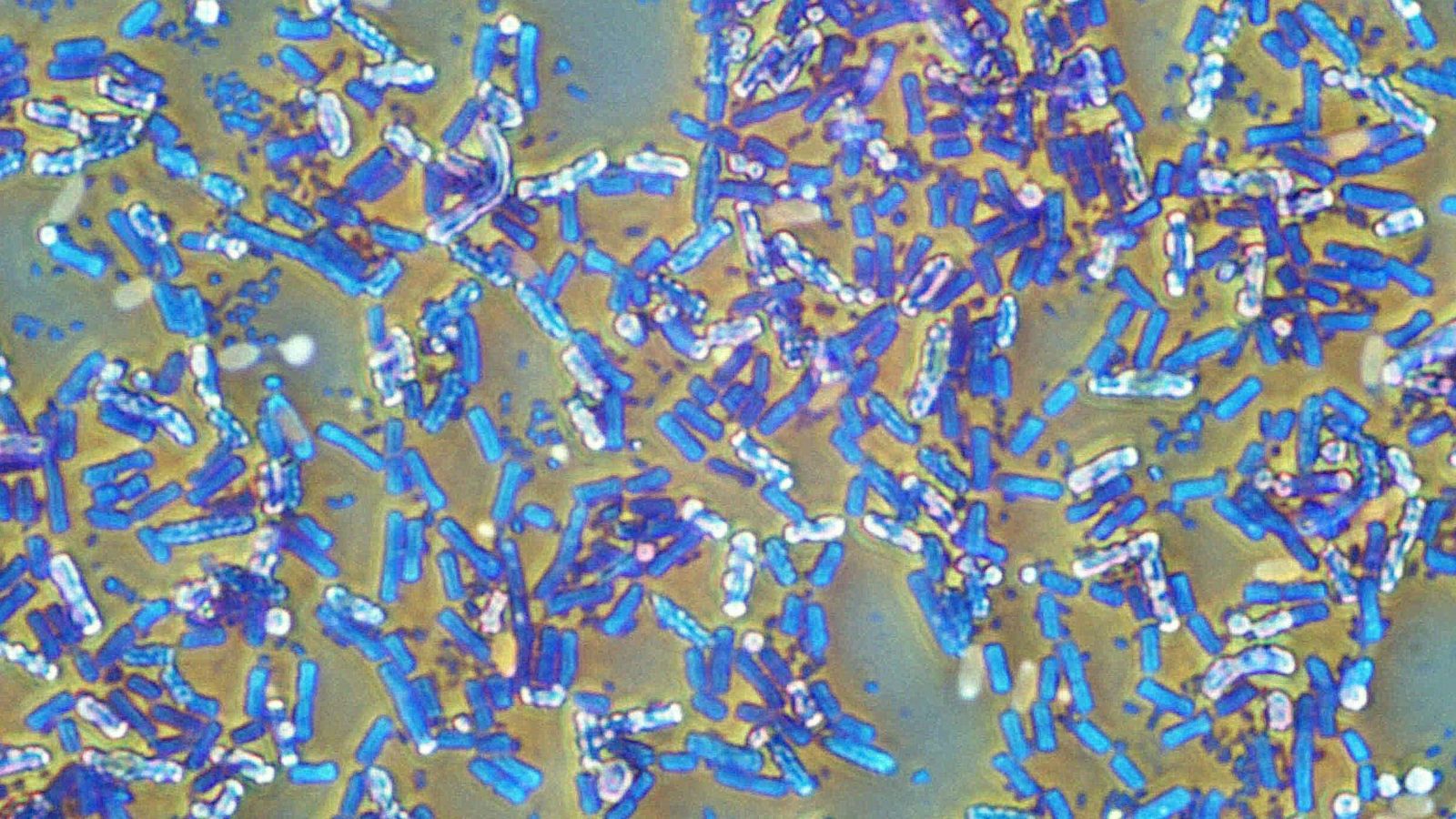
Spores survive extreme conditions
A bacterial spore acts as a survival capsule that is dried and wrapped in protein armor. These dormant forms can withstand boiling, desiccation, radiation, and the vacuum of space. NASA previously attached Bacillus spores to a satellite where they survived nearly six years in orbit.
Lab conditions change evolution
When bacteria live in a comfortable laboratory flask with ample food, they lose the ability to make spores within a few thousand generations. Scientists added up the costs of going dormant and waking up to find the energy bill is large. This high cost allows evolution to push organisms to lose their spore-making genes if they are not being used.
Reported by one outlet
Only one outlet has published this. Nothing here has been checked against a second report, so read it as that outlet's account and follow the link below for the original.
Reported by
1 independent outlet. Headline as published. Links open the original report.