Western cropland loss reduces landscape buffer against wildfires
New research published in Environmental Research Letters examines how over four million hectares of western U.S. cropland lost since 1985 affects wildfire resilience.
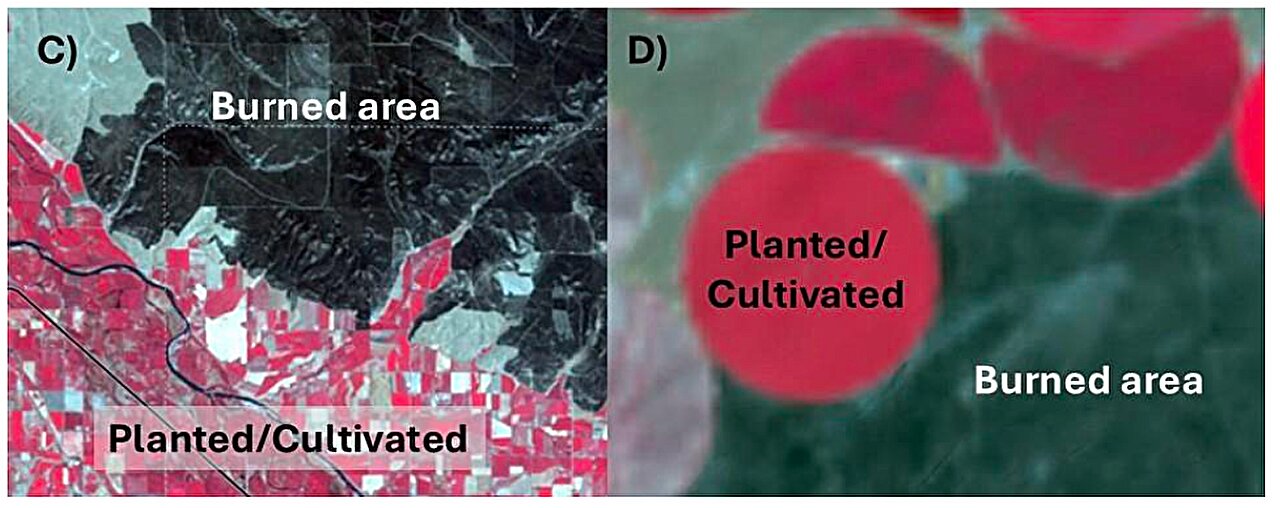
Study covers ten thousand fires
Scientists analyzed perimeter data for nearly 10,000 fires occurring between 1985 and 2024. This assessment spans 11 western states to determine how different land uses influence fire spread.
Cropland acts as a buffer
The findings show that irrigated fields serve as a landscape-scale barrier to wildfire expansion. Compared to forests or wildlands, these agricultural areas are less likely to be inside a burn scar.
Drought drives land conversion
Communities face hard decisions about adapting to ongoing drought by retiring or converting irrigated cropland. Such changes alter the region's ability to stop wildfires before they reach populated areas.
Reported by one outlet
Only one outlet has published this. Nothing here has been checked against a second report, so read it as that outlet's account and follow the link below for the original.
Reported by
1 independent outlet. Headline as published. Links open the original report.