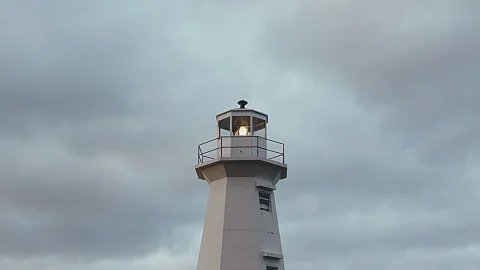
New research explains phantom lighthouse illusion seen off Lady Elliot Island
Scientists have published new findings explaining why visitors to Lady Elliot Island in Australia frequently see a third, nonexistent lighthouse at night.
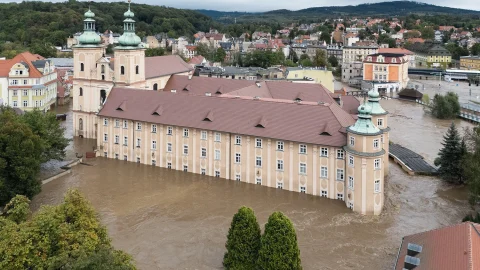
Scientists used hydrological models to determine how much climate change increased flooding from Storm Boris in Central and Eastern Europe during September 2024.
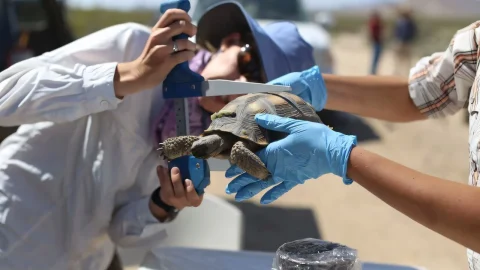
A University of British Columbia-led study published in Conservation Biology analyzed 313 cases of animal movement between 2007 and 2023.
Researchers at the University of Vienna and TU Wien explain why iron-based but not chromium-based photocatalysts produce ammonia using sunlight.
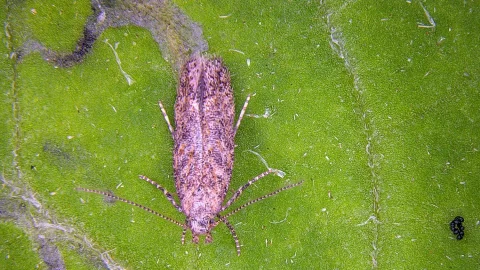
An international research team published findings in Nature Communications explaining how wild tomato varieties resist the tomato leafminer better than cultivated ones.
Memorial Sloan Kettering Cancer Center spoke with computational biologist Christina Leslie about her work using artificial intelligence to analyze single-cell genomics data.
New research published in Genes reveals that wild dogs near the Chornobyl Nuclear Power Plant display genetic differences caused by directional selection rather than mutation.
Historians have examined a series of twelve ghost stories recorded in the early 15th century at Byland Abbey in north Yorkshire.
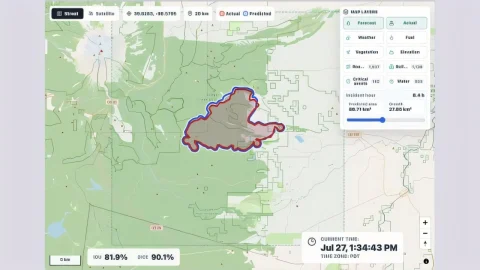
The NYU Fire Research Group has developed a new physics-informed AI system designed to forecast wildfire movement in near real time.
Researchers at the University of Kentucky published new findings in Environmental Science & Technology showing that air moisture levels alter nighttime chemical reactions from biomass burning.