Chornobyl dogs show genetic signs of directional selection in contaminated area
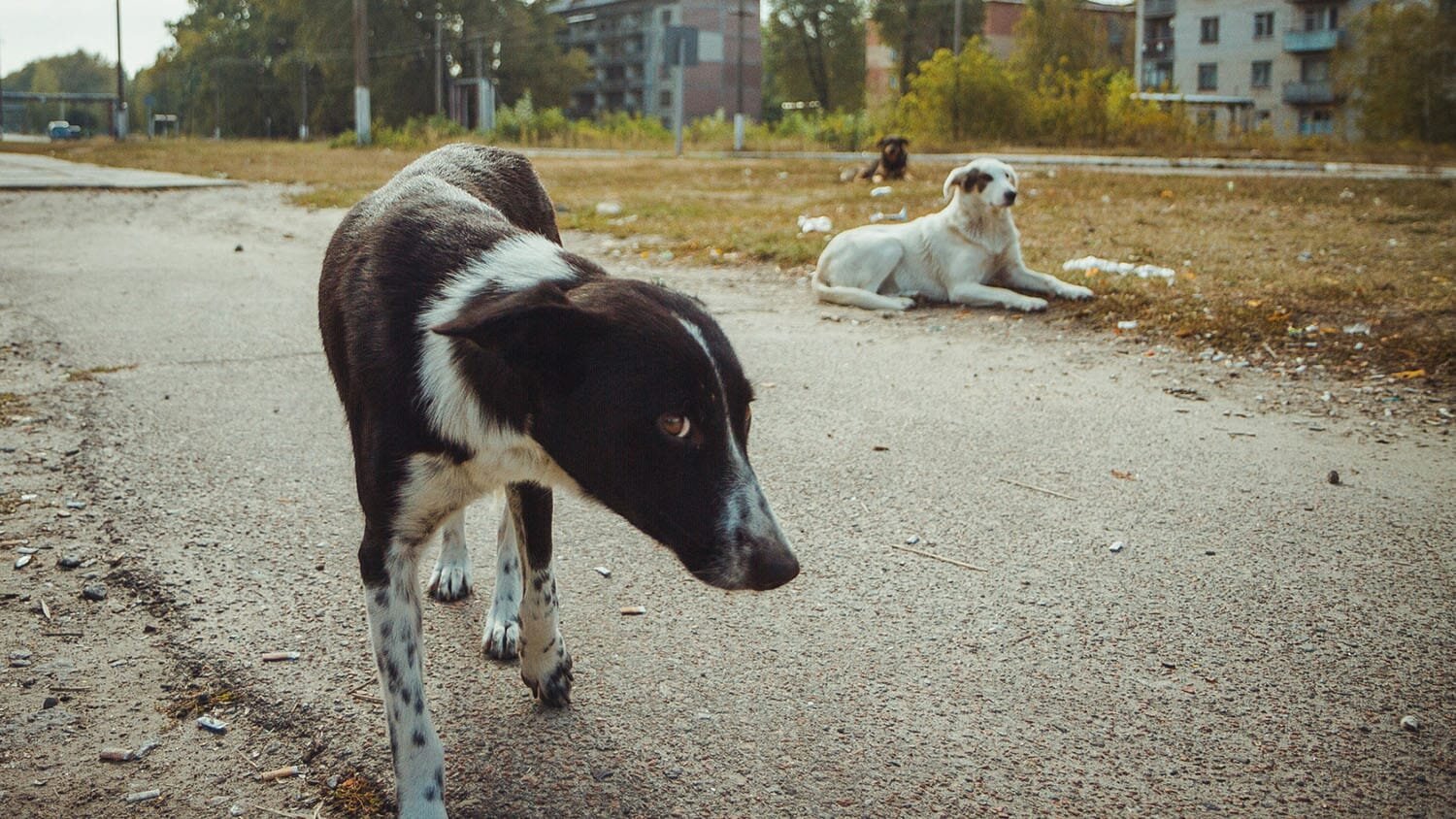
New research published in Genes reveals that wild dogs near the Chornobyl Nuclear Power Plant display genetic differences caused by directional selection rather than mutation.
Previous studies compared two groups
Earlier work examined genetics in dogs living at the nuclear plant versus those in Chornobyl City, which is about 10 miles away. The team found that city dogs matched populations in Russia and Poland, while plant dogs showed distinct differences in DNA repair regions.
Researchers ruled out mutation causes
Megan Dillon from North Carolina State University stated that the high genetic difference between these close groups is not due to mutation. The latest study confirms these variations are likely evidence of directional selection linked to environmental variables.
Findings suggest local adaptation
The work could advance understanding of genomic resilience in contaminated environments. These results tie up loose ends from previous characterizations of the population's genetic structure.
Reported by one outlet
Only one outlet has published this. Nothing here has been checked against a second report, so read it as that outlet's account and follow the link below for the original.
Reported by
1 independent outlet. Headline as published. Links open the original report.