Global review finds amphibian relocations for development rarely succeed
A University of British Columbia-led study published in Conservation Biology analyzed 313 cases of animal movement between 2007 and 2023.
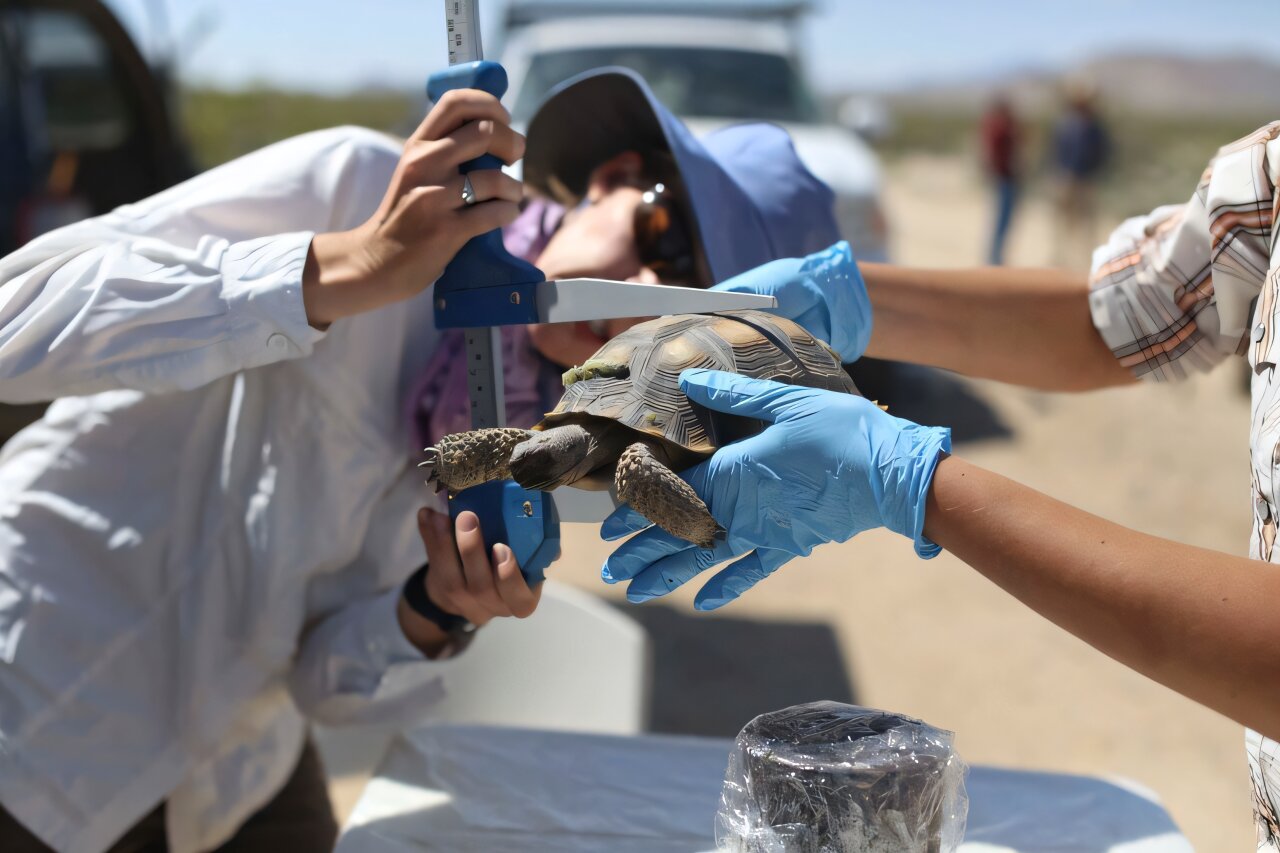
Development moves fail to save species
Researchers examined data from frogs, snakes, and other reptiles moved to clear land for construction. Only six percent of these relocation attempts resulted in population growth. None of the projects achieved the standard required for a self-sustaining group.
Protection works offer better outcomes
The analysis showed that moves intended to protect or restore populations performed much better than those driven by development needs. Lead author Megan Winand noted that shifting animals away from building sites does not guarantee their survival in new homes.
Habitat preservation remains the priority
The findings suggest that relying on translocation is often a poor strategy for addressing habitat loss caused by human activity. Experts argue that keeping animals in protected areas is more effective than trying to move them elsewhere.
Reported by one outlet
Only one outlet has published this. Nothing here has been checked against a second report, so read it as that outlet's account and follow the link below for the original.
Reported by
1 independent outlet. Headline as published. Links open the original report.