Tomato plants gain pest resistance through specific enzyme structure changes
An international research team published findings in Nature Communications explaining how wild tomato varieties resist the tomato leafminer better than cultivated ones.
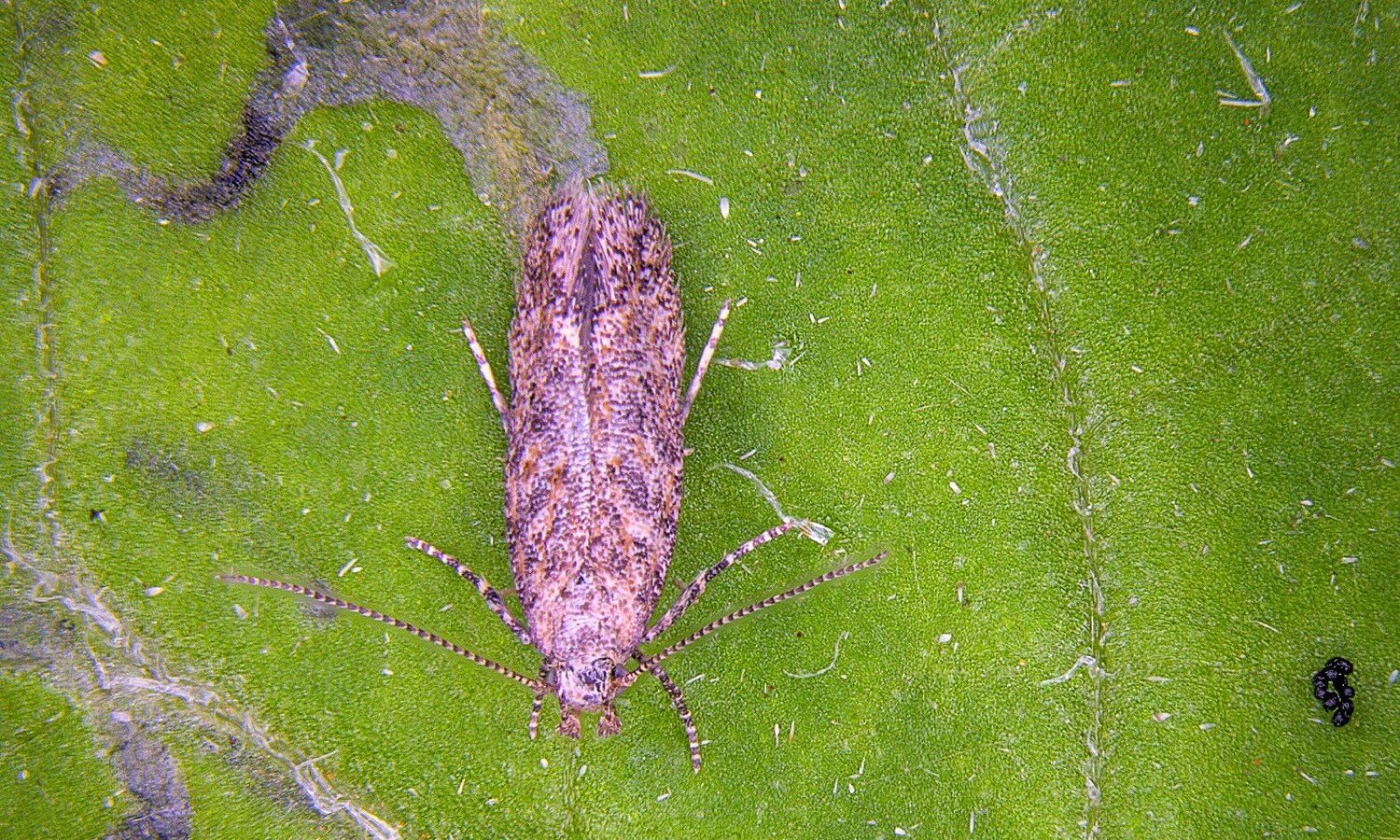
Study identifies molecular defense mechanism
Researchers mapped the biochemical origins of resistance differences between wild and cultivated tomatoes. They found that the spatial structure of a specific plant defense molecule controls this ability. Altering four amino acids in one enzyme changes the substance shape to increase its toxicity against the pest.
Gene editing offers new solutions
This discovery creates a pathway for scientists to develop resistant tomato crops using gene editing techniques. The project was coordinated by Jiancai Li from the Shanghai Institute of Plant Physiology and Ecology. José Maurício Simões Bento from the University of São Paulo also participated in the work.
Fields combined for success
Li's group specializes in genetics and biosynthesis while Bento's team focuses on chemical ecology. Integrating these different scientific fields was crucial for understanding the biological ramifications of the molecular differences. The study demonstrates that slight changes to plant molecules can significantly impact pest interactions.
Reported by one outlet
Only one outlet has published this. Nothing here has been checked against a second report, so read it as that outlet's account and follow the link below for the original.
Reported by
1 independent outlet. Headline as published. Links open the original report.