Iron and chromium catalysts show different magnetic properties affecting ammonia production
Researchers at the University of Vienna and TU Wien explain why iron-based but not chromium-based photocatalysts produce ammonia using sunlight.
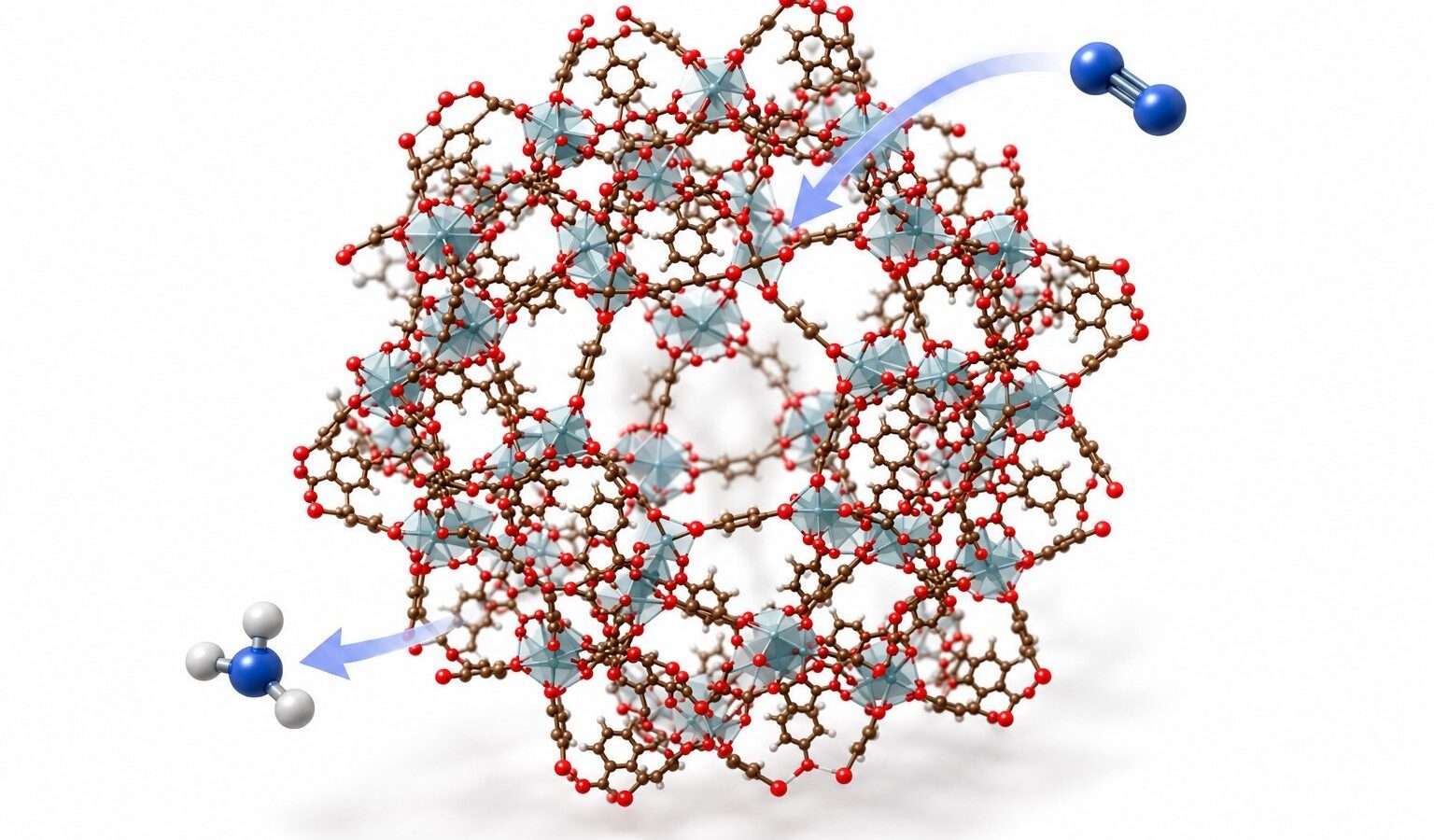
Magnetic differences change chemical behavior
Two nearly identical materials exhibit completely different chemical behaviors when exposed to sunlight. Replacing three iron atoms that form tiny triangles with chromium atoms stops the reaction from occurring. The teams determined that these two metal configurations possess very different magnetic properties.
Magnetism reveals catalyst functionality
These specific magnetic properties indicate whether the material works effectively as a catalyst for nitrogen conversion. The findings appear in the journal ACS Energy Letters and were published by the FWF Cluster of Excellence MECS. This research addresses the need for energy-intensive fertilizer production methods that require less heat and pressure.
Reported by one outlet
Only one outlet has published this. Nothing here has been checked against a second report, so read it as that outlet's account and follow the link below for the original.
Reported by
1 independent outlet. Headline as published. Links open the original report.