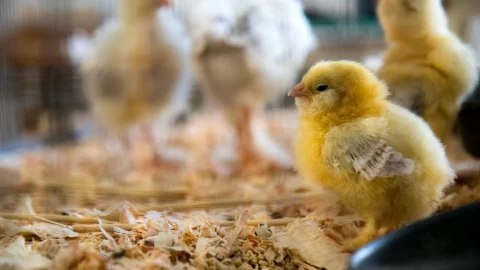
Chicken age drives antimicrobial resistance gene changes more than feed additives
Penn State researchers found that a chicken's age influences its antimicrobial resistance genes more than antibiotics, probiotics, or essential oils in its feed.
Penn State researchers found that a chicken's age influences its antimicrobial resistance genes more than antibiotics, probiotics, or essential oils in its feed.
A study of workplace culture notes that Gen Z employees and older managers often define respectful communication differently due to pandemic-era shifts.
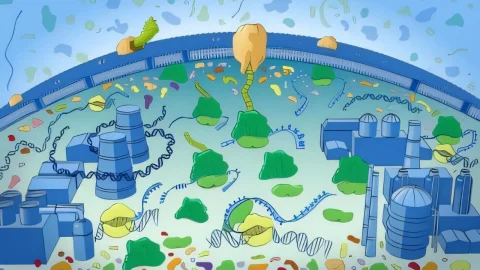
Researchers from EMBL Heidelberg published findings in Cell about how bacteria coordinate protein production and transport using new imaging tools.
Britain's first astronaut Helen Sharman officially opened the John Dulcamara Space Flight Museum at Grizedale Observatory in Cumbria on Friday.
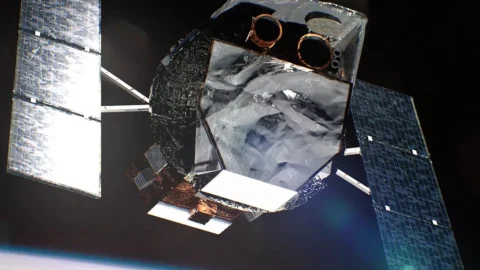
Katalyst Space Technologies' Link robot re-entered Earth's atmosphere on Friday following a failed attempt to lift the orbit of the Neil Gehrels Swift Observatory.
University of Virginia professor W. Ben McCartney examined mortgage data to explain who took risk before and after the 2007 crash.
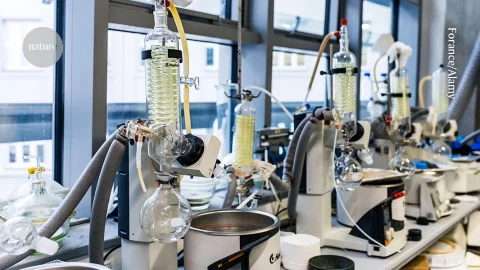
A new analysis of 1.3 million chemical reactions in patents over forty years reveals that laboratories continue to use dangerous liquids despite long campaigns for safer alternatives.
Scientists attribute the unusual distribution of tropical cyclones this year to an exceptionally strong El Niño event affecting both ocean basins.
OpenAI research chief Mark Chen speaks about a cultural reset following recent security incidents involving the San Francisco-based company.
Scientists at The University of Texas at Austin and Eli Lilly studied how storage buffers affect the stability of mRNA lipid nanoparticles after freezing.