Chicken age drives antimicrobial resistance gene changes more than feed additives
Penn State researchers found that a chicken's age influences its antimicrobial resistance genes more than antibiotics, probiotics, or essential oils in its feed.
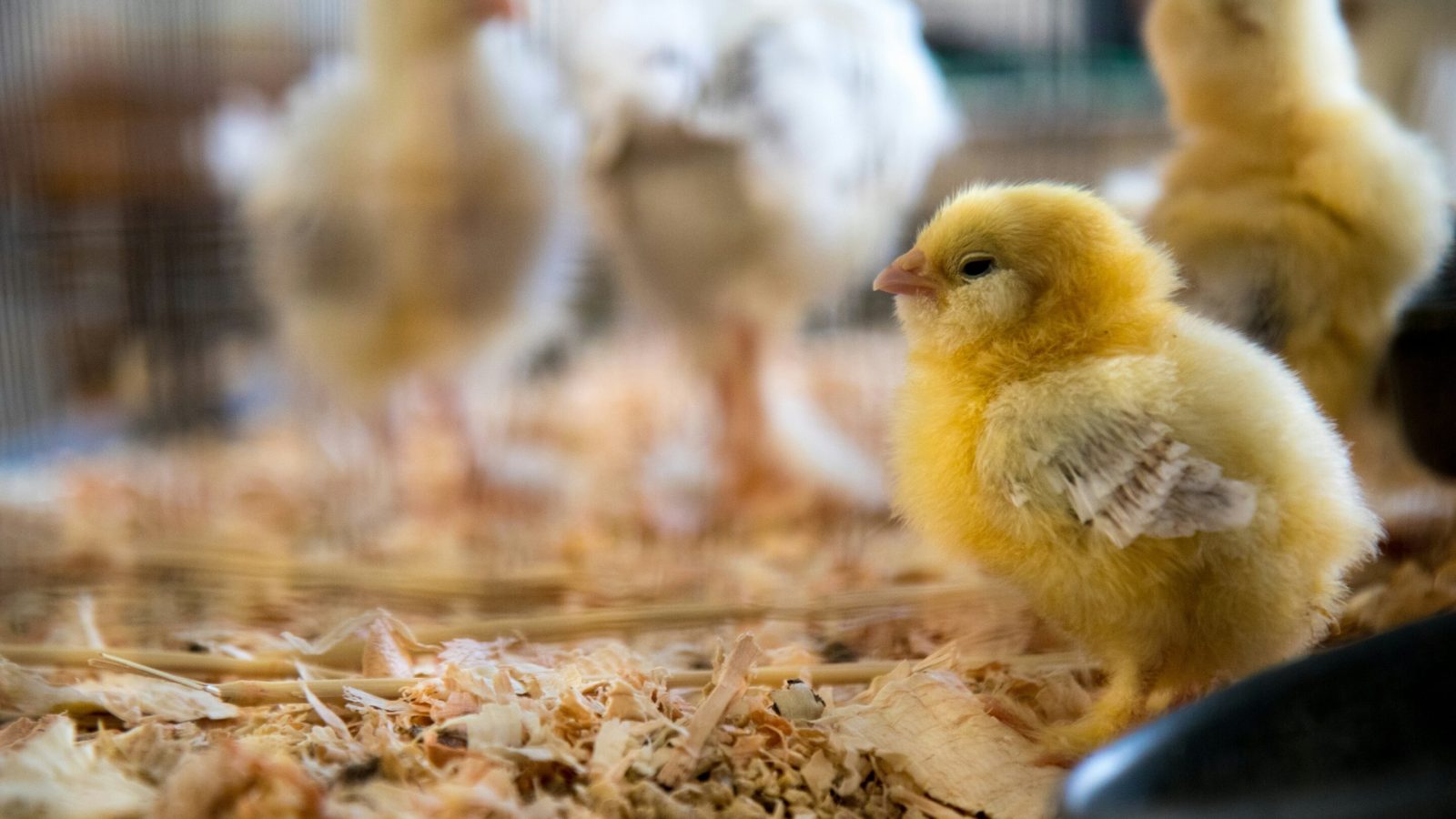
Feed additives show little impact
Researchers at Penn State tested the effects of antibiotics, probiotics, and essential oils on broiler chickens. Feeding these products did not significantly alter the overall diversity of antimicrobial resistance genes in the birds. The study was recently published in the journal Poultry Science.
Age is the dominant factor
The bacterial communities inside the chickens' guts changed primarily as the birds grew older. This shift in the resistome occurred regardless of the specific additive present in the feed. The findings suggest that time itself drives these genetic changes rather than dietary interventions.
Reported by one outlet
Only one outlet has published this. Nothing here has been checked against a second report, so read it as that outlet's account and follow the link below for the original.
Reported by
1 independent outlet. Headline as published. Links open the original report.