Study links sit-stand desks to higher employee productivity
Researchers at Texas A&M University found that workers using height-adjustable desks averaged 43 extra minutes of active computer use daily compared to those with regular desks.
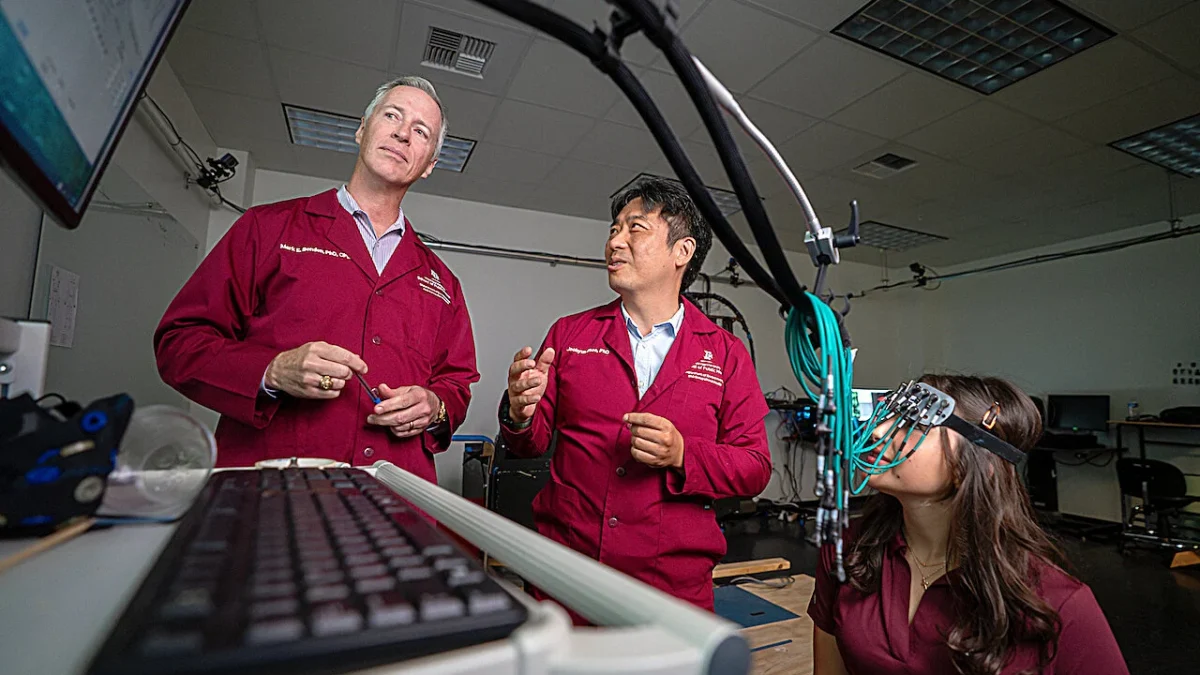
New research shows desk impact
A study published in Theoretical and Applied Ergonomics analyzed data from more than 10,000 employees across various workplaces. Co-led by Dr. Mark Benden and Dr. Tricia Salzar, the project examined how physical workspace design influences daily output. Workers with adjustable desks completed nearly $9,000 more in annual productivity per person than their seated counterparts. The team collected this information to determine if ergonomic tools directly improved business performance metrics.
Workplace effect drives results
Dr. Benden described the findings as the workplace effect, noting that the environment itself changes employee behavior and health outcomes. Alternating between sitting and standing reduces physical strain while encouraging movement for those who usually stay sedentary. This flexibility allows tasks to shift with energy levels throughout the standard workday without locking staff into one position. The direct impact of the physical environment extends beyond simple comfort to include engagement and organizational success.
Investment benefits both sides
For employers, higher productivity translates into a substantial return on investment for purchasing height-adjustable desks annually. Employees gain sustained energy levels and longer stretches of focused work during their daily routines. The design of the workplace acts as a powerful driver for human health and overall performance. Investing in these tools supports better outcomes for both staff members and the companies that hire them.
Reported by one outlet
Only one outlet has published this. Nothing here has been checked against a second report, so read it as that outlet's account and follow the link below for the original.
Reported by
1 independent outlet. Headline as published. Links open the original report.