Florida scientists find deep sea extinction risks
Florida International University researchers published new genetic data in Nature Communications showing five Gulf species face high extinction risk.
Genetic diversity drops sharply
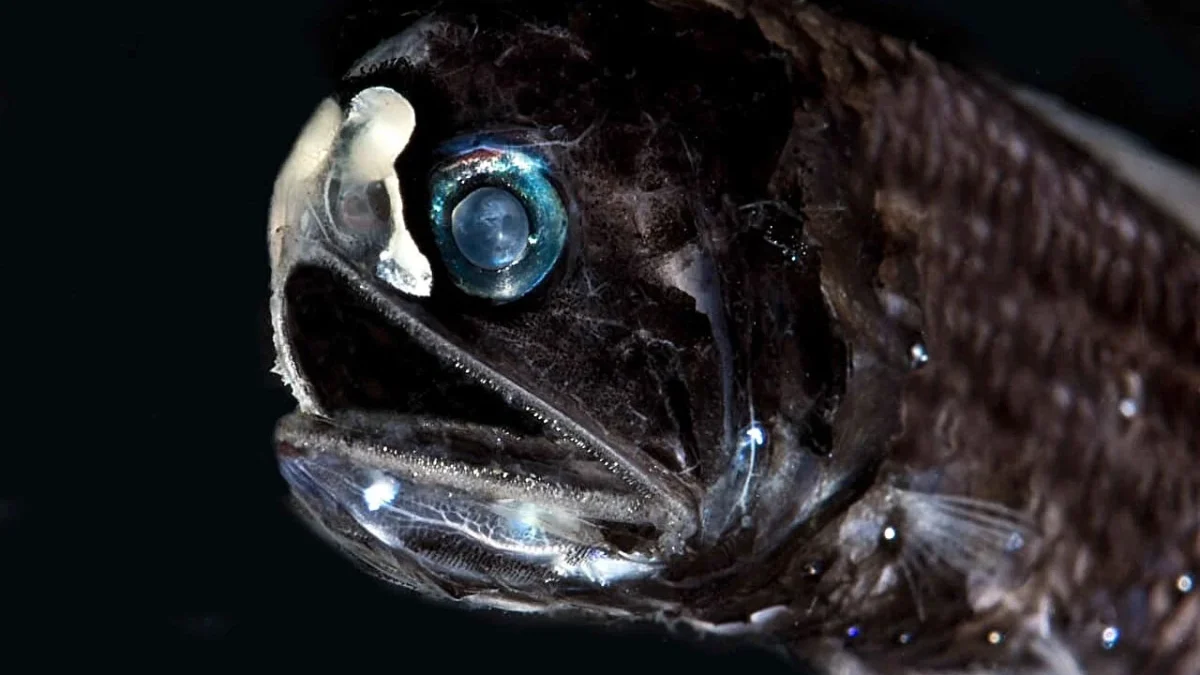
A team led by Pedro A. Peres examined genetic samples from 486 specimens collected between 2011 and 2023. The study focused on three lanternfish species and two deep-sea shrimp living hundreds of meters below the surface. One lanternfish species, Diaphus dumerilii, lost approximately 8 percent of its genetic diversity over twelve years. This decline matches losses seen in other endangered animals over much longer time periods.
Small populations lack resilience
Researchers found each species had a relatively small effective population size despite large total numbers. Fewer individuals contribute genetically to future generations, which limits adaptation to changing conditions. Heather Bracken-Grissom noted that genetic diversity allows populations to resist disease and recover from disturbances. The findings challenge the assumption that deep-sea environments naturally protect species from biodiversity crises.
Climate change shrinks habitat
Climate models predict four of the five species could lose up to 70 percent of suitable Gulf habitat by 2050. The study also raises questions about lasting effects from the 2010 Deepwater Horizon oil spill. Although researchers did not directly attribute genetic changes to the spill, environmental disturbances may have consequences. These results suggest deep-sea habitats are more vulnerable than previously thought.
Reported by one outlet
Only one outlet has published this. Nothing here has been checked against a second report, so read it as that outlet's account and follow the link below for the original.
Reported by
1 independent outlet. Headline as published. Links open the original report.