New study tests theory on ice cliffs and sea level rise
Researchers at the Woods Hole Oceanographic Institution analyzed satellite data to evaluate a disputed theory about ice cliff instability affecting sea levels.
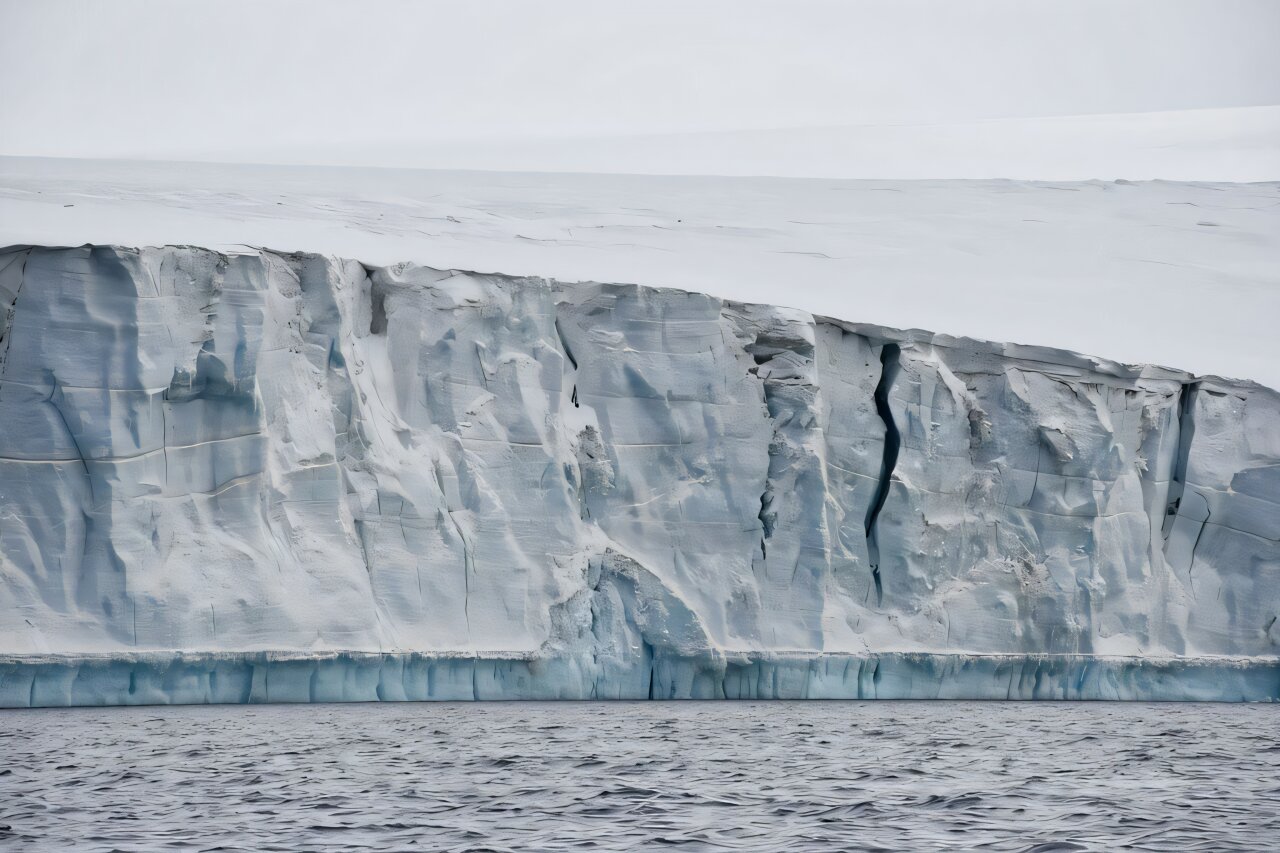
Scientists examined thousands of cliff measurements
The team processed more than fifteen thousand individual observations gathered from satellites orbiting the planet. These data points covered the edges of Earth's massive ice sheets to check for structural weaknesses. Laser altimetry provided precise elevation readings that helped determine how high these vertical faces actually are.
Theory suggests rapid self-sustaining ice loss
Marine ice-cliff instability proposes that cliffs taller than one hundred meters could become unstable and collapse. Such a process would create a cycle of quick retreat that might speed up global warming impacts. This mechanism has remained unobserved directly until now, causing debate among experts about its role in future projections.
Results offer evidence for future models
The findings give scientists new information to decide whether this process should be included in sea level forecasts. Coastal communities rely on accurate predictions as rising waters threaten infrastructure around the world. The study published in Science marks the most comprehensive observational analysis of these towering features yet.
Reported by one outlet
Only one outlet has published this. Nothing here has been checked against a second report, so read it as that outlet's account and follow the link below for the original.
Reported by
1 independent outlet. Headline as published. Links open the original report.