New study shows wild birds use air currents to save flight energy
An international team led by researchers at the Max Planck Institute of Animal Behavior published a study in Science overturning textbook views on animal travel efficiency.
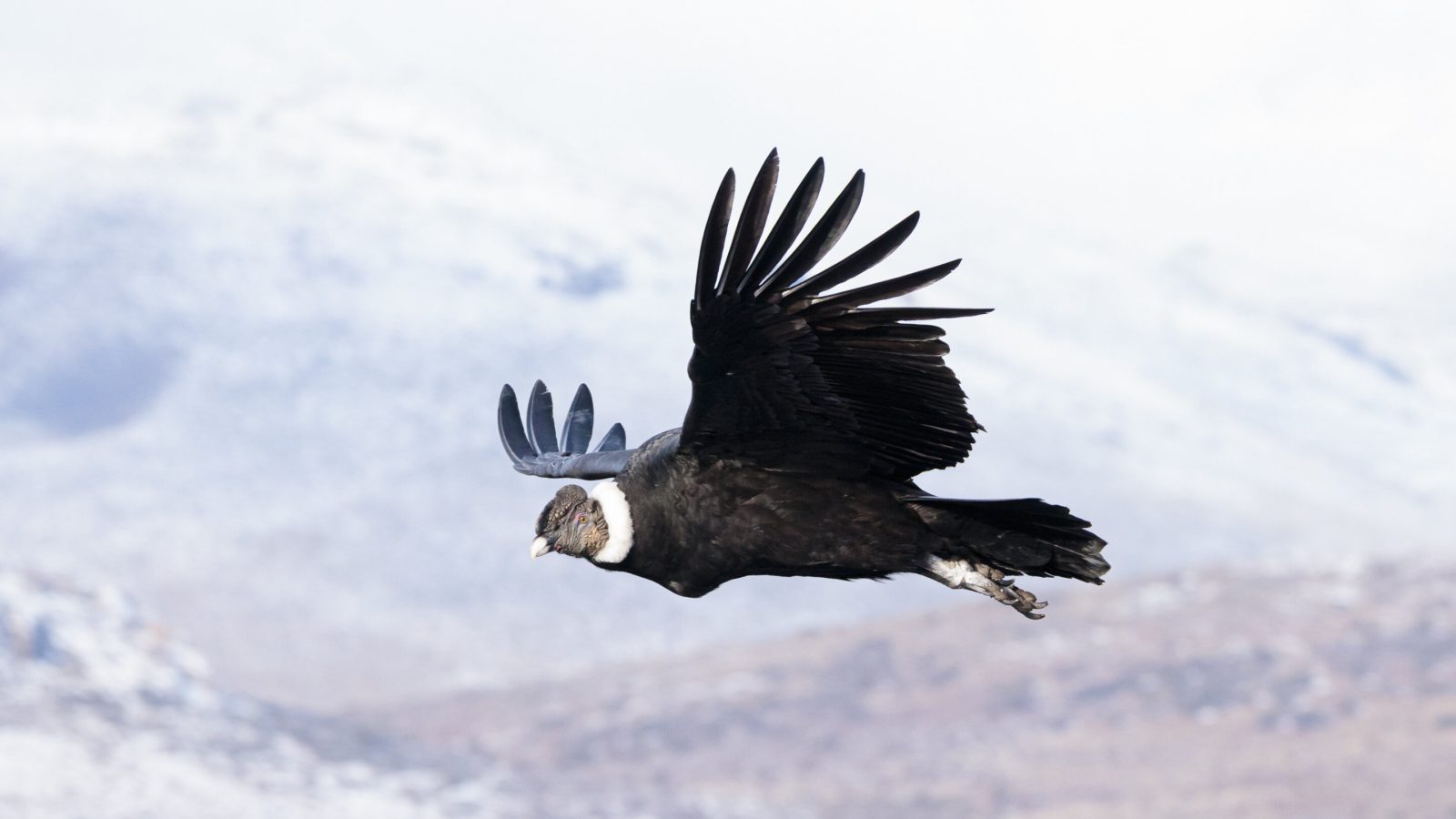
Condors flap rarely while soaring
The research found that Andean condors flap their wings for only 0.1 percent of flight time. In contrast, trumpeter swans flap for approximately 99 percent of the distance they cover. This difference allows the birds to use rising air currents instead of constant muscle power.
Swimming is not always cheapest
Textbooks traditionally ranked swimming as the most energy-efficient form of animal travel compared to flying or running. The new data indicates that flying can sometimes be cheaper than swimming for large birds. Researchers note that laboratory rules previously assumed equal energy costs for animals with the same body mass.
Sky is essential resource
Dr Martina Scacco stated that the sky acts as an essential resource rather than just a background for flying animals. Swansea University professor Emily Shepard added that observing condors soar and swans flap clearly shows a difference in energy bills.
Reported by one outlet
Only one outlet has published this. Nothing here has been checked against a second report, so read it as that outlet's account and follow the link below for the original.
Reported by
1 independent outlet. Headline as published. Links open the original report.