New study explains why early universe galaxies appeared unusually bright
Researchers from the Flatiron Institute and the University of Texas at Dallas report findings on Nov. 4 in The Astrophysical Journal about how light-propelled winds cleared gas from early galaxies.
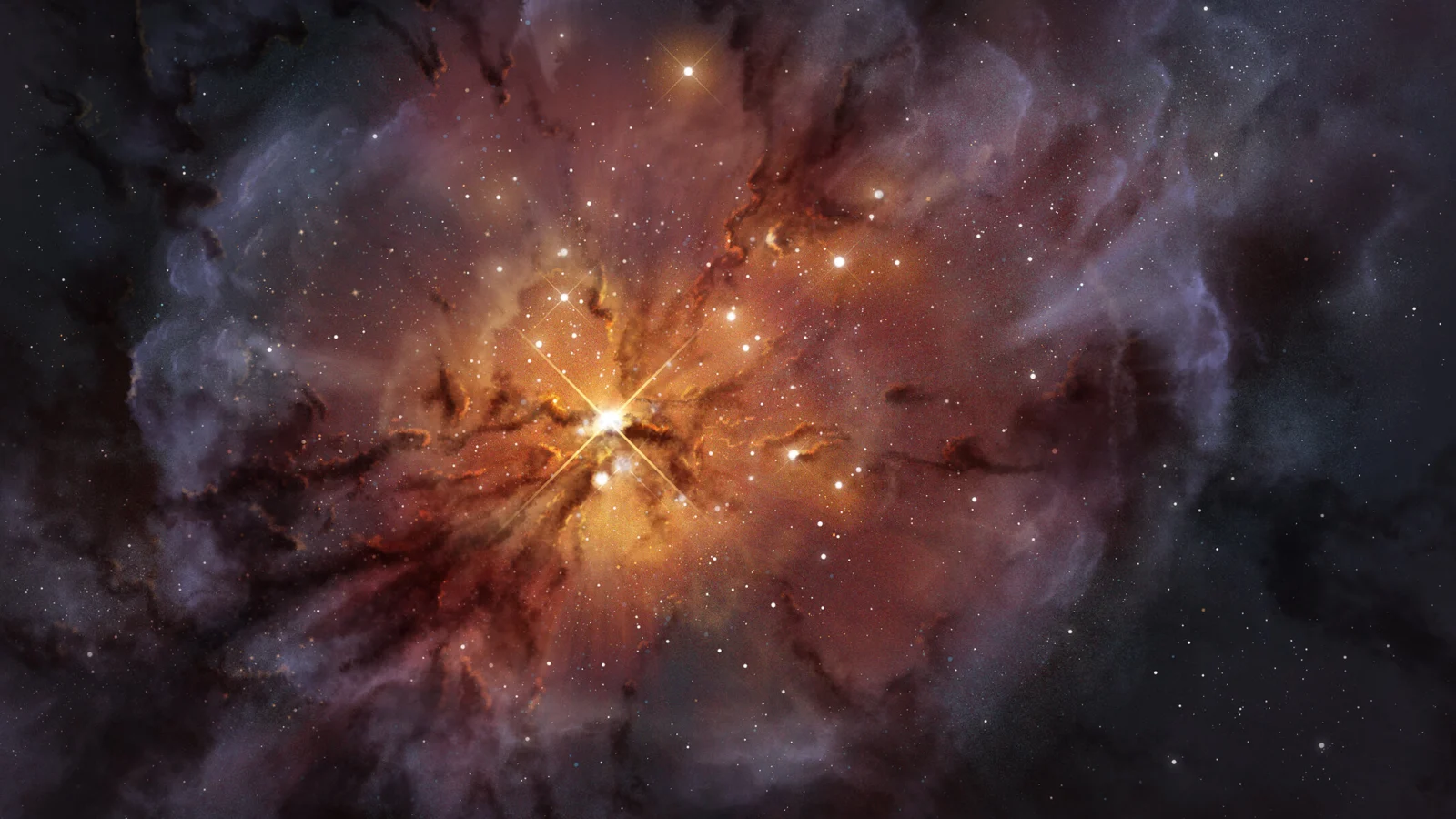
Early universe galaxy brightness mystery
Astronomers observed an overabundance of bright galaxies in photos taken by the James Webb Space Telescope. These observations covered the few hundred million years following the Big Bang. Scientists expected such galaxies to be far less common during that specific period.
Ultraviolet radiation acts as a blower
Powerful ultraviolet radiation produced by clusters of young stars pushed low-density gas and dust away very fast. This process cleared the fog blocking the view of stars in the early universe. The specific type of light involved is called Lyman-alpha radiation.
Reported by one outlet
Only one outlet has published this. Nothing here has been checked against a second report, so read it as that outlet's account and follow the link below for the original.
Reported by
1 independent outlet. Headline as published. Links open the original report.