Study finds profitable eggplant farming methods in central Côte d’Ivoire
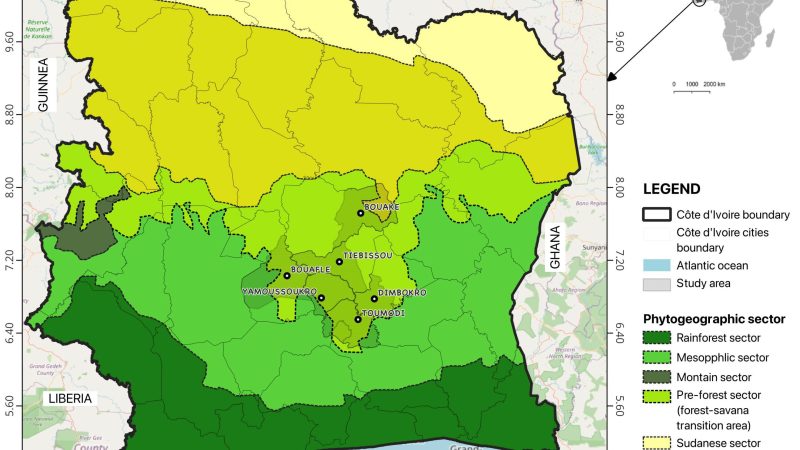
A doctoral student from the UM6P-EPFL Excellence in Africa initiative published a study on eggplant production practices and farmer income in central Côte d'Ivoire.
A doctoral student from the UM6P-EPFL Excellence in Africa initiative published a study on eggplant production practices and farmer income in central Côte d'Ivoire.
Researchers published a study in the journal Mathematics proposing a fuzzy skew maps framework to secure digital images despite hardware errors and noise.
Researchers examine the psychology behind why a romantic partner can suddenly become repulsive to an individual.
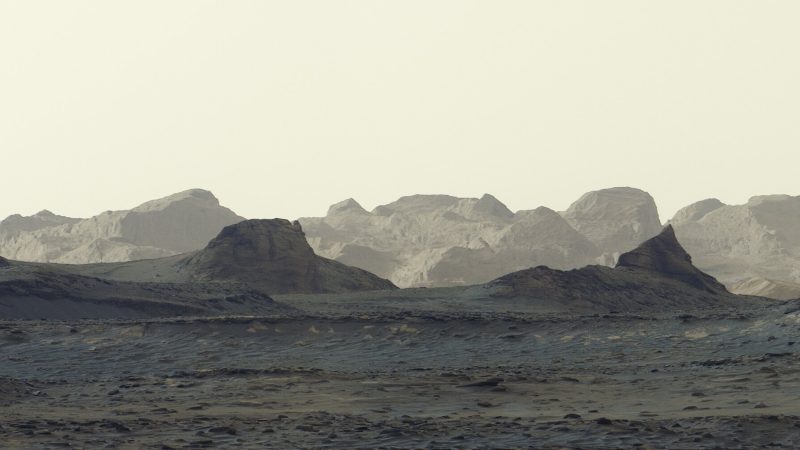
NASA released a panorama from its Curiosity rover showing the Martian dawn on Mount Sharp on August 11.
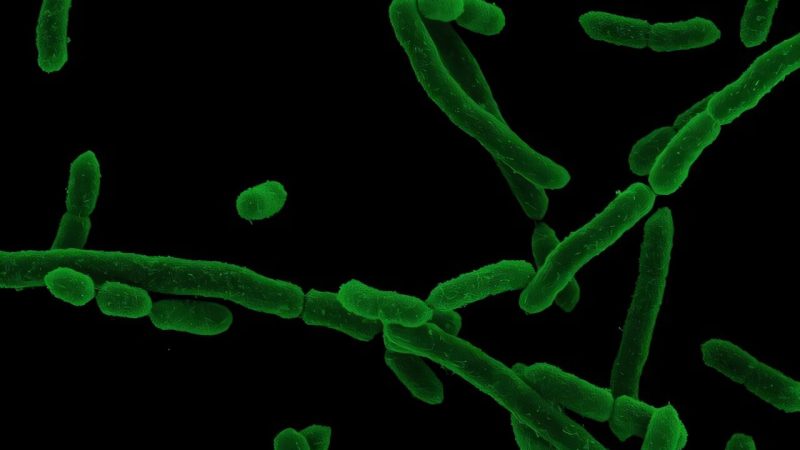
Researchers from the Helmholtz Center for Infection Research and partners published findings in Nature Microbiology showing that food intake is not the sole driver of gut bacterial variations.
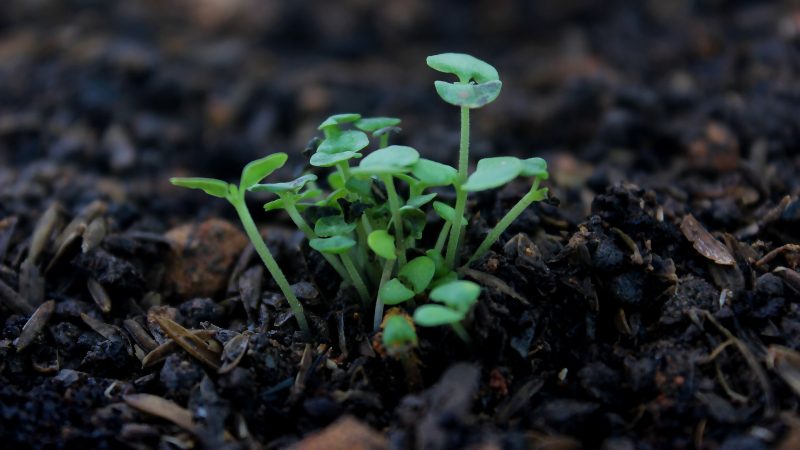
Scientists at the University of Canterbury found that mākaka and kōwhai seeds from New Zealand survived heating to 80C in a laboratory experiment.
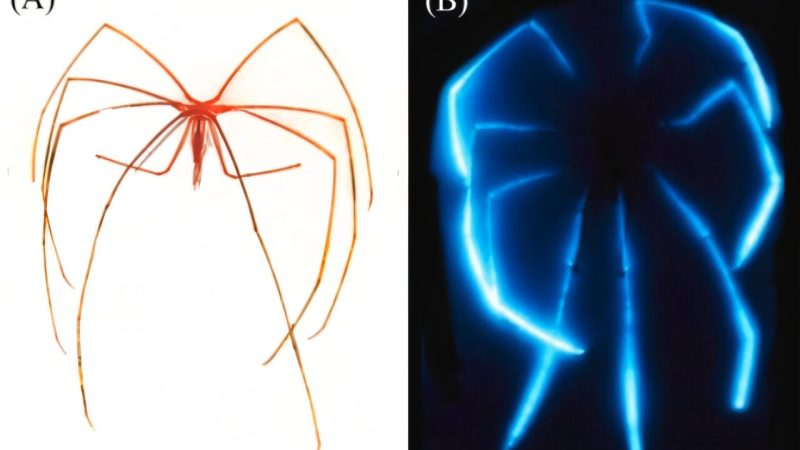
Researchers from UCLouvain and other institutions formally documented blue light production by two species of giant sea spiders during a deep-sea survey off the east coast of Australia.
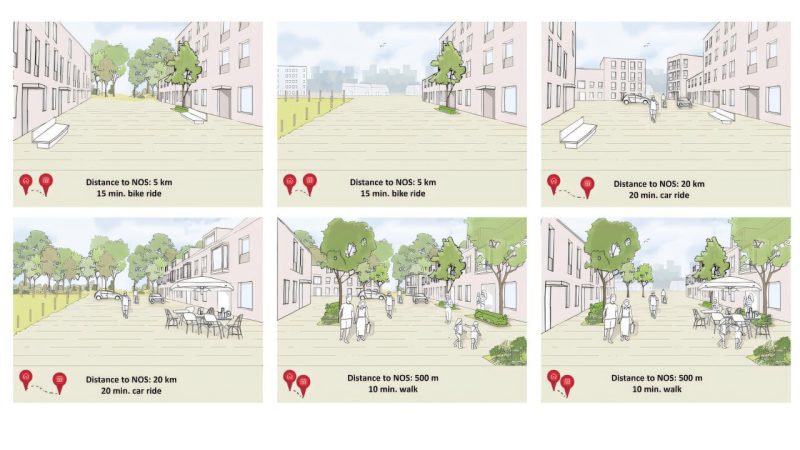
Ph.D. candidate Anne Grave investigated the ideal living environment for residents aged 70 and older by gathering direct input from them.
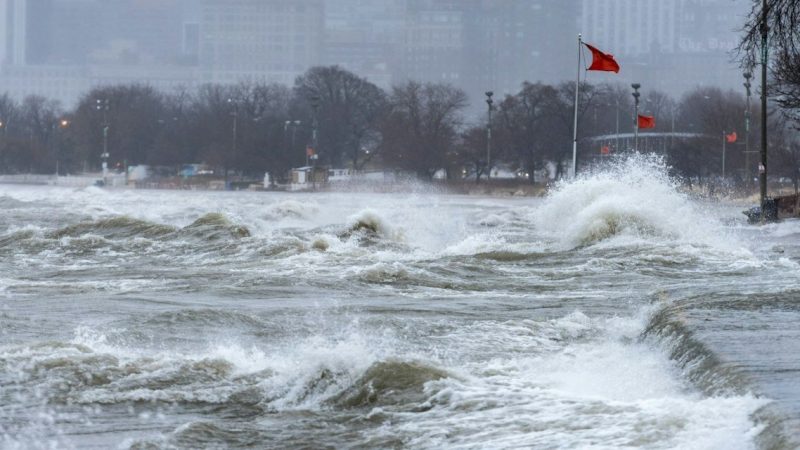
Researchers published an analysis of forty years of data on the Great Lakes in the journal Science of the Total Environment.
Scientists from the Max Planck Institute for Empirical Aesthetics in Frankfurt am Main released study results showing cultural background influences dance interpretation.