UCSF Scientists Develop Brain-Targeted Therapy for Deadly Childhood Tumors
Scientists at the University of California San Francisco developed a new immune cell therapy that eliminates diffuse midline glioma in mice and plans clinical trials starting April 2027.
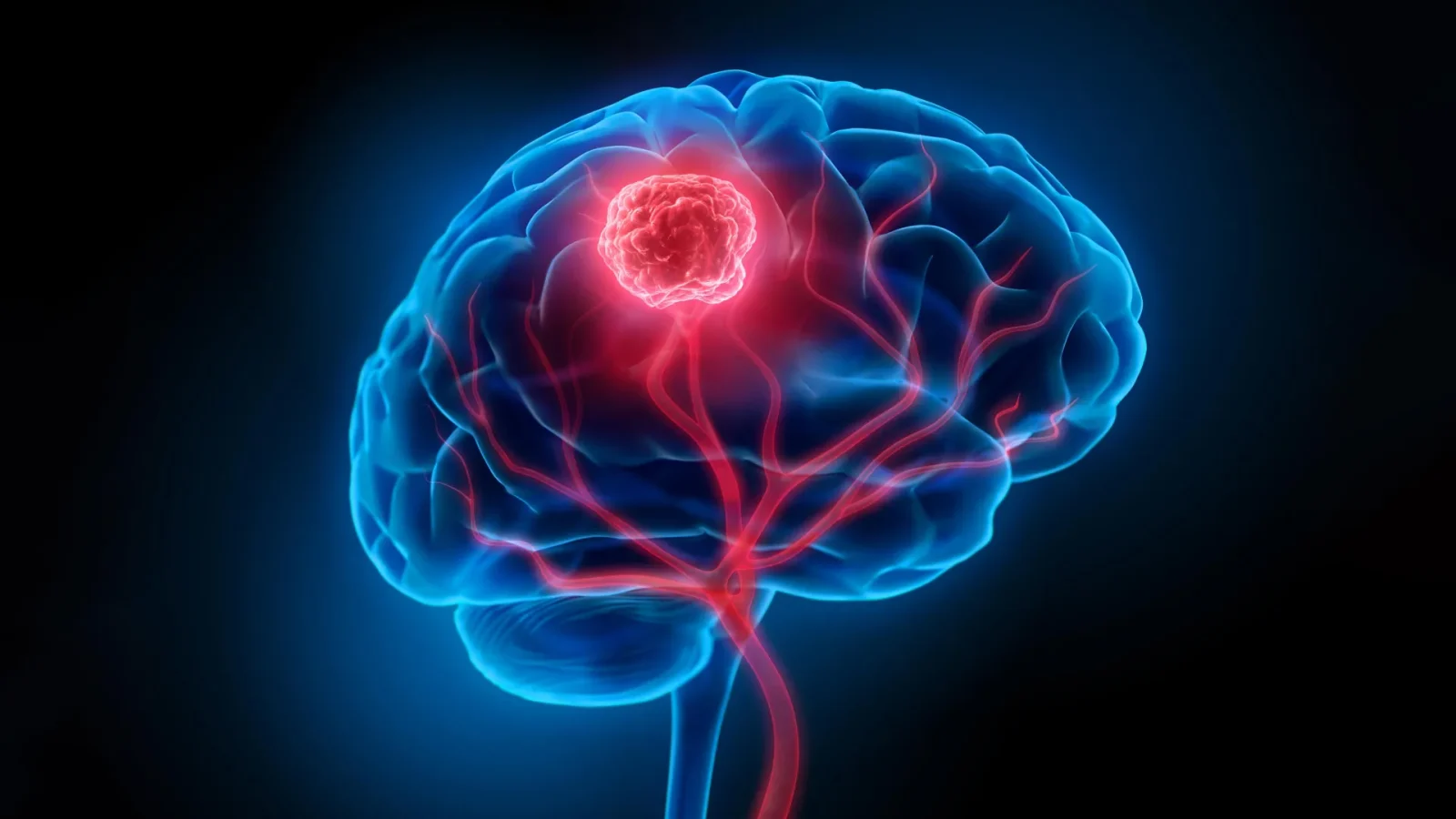
Engineered Cells Attack Brain Tumors
Researchers engineered immune cells called B-SYNC CAR-T to remain inactive until they reach the brain. These modified cells completely eliminated diffuse midline glioma in two different mouse models tested by the team. The therapy provided lasting protection against tumor regrowth when cancer cells were re-introduced weeks later. Diffuse midline glioma grows into the brainstem and causes death within a year for nearly all diagnosed children.
Previous Research Led to Breakthrough
Professor Hideho Okada and Professor Wendell Lim built on earlier work with an E-SYNC therapy reported in 2021. That previous treatment used synNotch to identify a mutated protein found on glioblastoma cells before triggering an attack. The new B-SYNC approach limits CAR expression specifically within the brain to avoid side effects elsewhere. Conventional CAR-T treatments have historically struggled to overcome these aggressive brain tumors effectively.
Clinical Trials Begin Soon
The promising laboratory results have prompted scientists to prepare for human clinical trials at UCSF Health. Researchers expect these trials potentially beginning as early as April 2027 to test the therapy in patients. Professor Okada stated that limiting CAR expression where it matters allowed consistent total shutdown of tumors in the lab. This targeted approach offers a new way forward for treating one of the most difficult childhood cancers.
Reported by one outlet
Only one outlet has published this. Nothing here has been checked against a second report, so read it as that outlet's account and follow the link below for the original.
Reported by
1 independent outlet. Headline as published. Links open the original report.