Fossils in Colombia reveal ancient ocean twist
McGill University researchers and CIP scientists found fossils in Villa de Leyva, Colombia that show giant predators coexisted with new groups in November 2026.
New evolutionary pattern identified
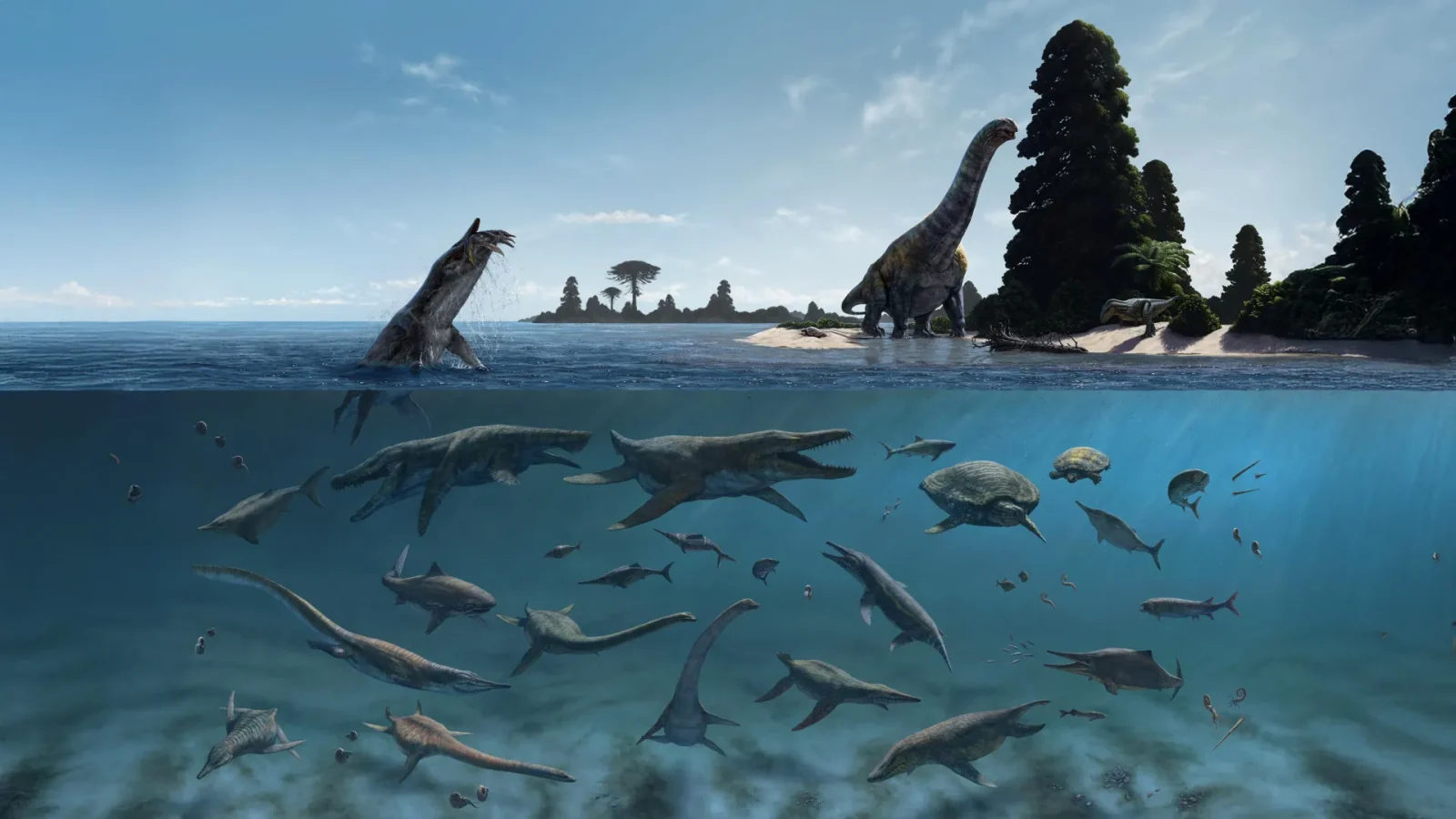
Researchers at McGill University and the Centro de Investigaciones Paleontológicas examined fossils within Colombia's Paja Formation. Researchers discovered a habitat in which large reptiles, sharks, and various animals flourished while ancient lineages went extinct. Researchers call this previously unrecognized pattern a Biotic Inflection. This concept suggests major transformations in life can occur without mass extinctions.
Environmental conditions enabled diversity
Hans Larsson, a McGill biology professor, along with PhD graduate Dirley Cortés, maintain that the warm greenhouse temperatures fostered this biodiversity. Elevated sea levels and nutrient-rich coastal waters also helped sustain an unusually diverse range of marine life. New ocean connections between the eastern Pacific and early Atlantic through Colombia created opportunities for different animal groups to flourish together.
Rich fossil record details
Evidence originates in the Early Cretaceous Paja Formation located near Villa de Leyva, Colombia. Most fossils collected from the formation are housed at the Centro de Investigaciones Paleontológicas. This assembly features massive sea creatures such as the elongated-necked plesiosaurs and crocodile kin of the ocean together with turtles, sharks, crustaceans and other species.
Reported by one outlet
Only one outlet has published this. Nothing here has been checked against a second report, so read it as that outlet's account and follow the link below for the original.
Reported by
1 independent outlet. Headline as published. Links open the original report.