University of Delaware researchers find plant cells use hydrogen peroxide to signal wounds
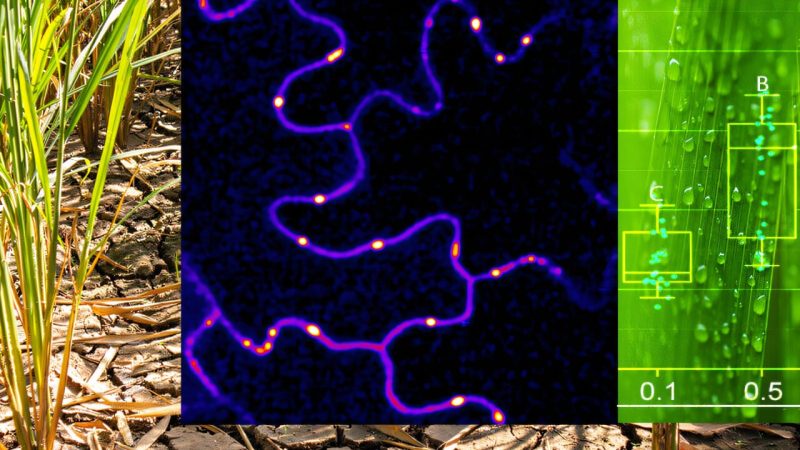
Scientists at the University of Delaware discovered that tiny channels between plant cells send wound alerts via hydrogen peroxide bursts.
Scientists at the University of Delaware discovered that tiny channels between plant cells send wound alerts via hydrogen peroxide bursts.
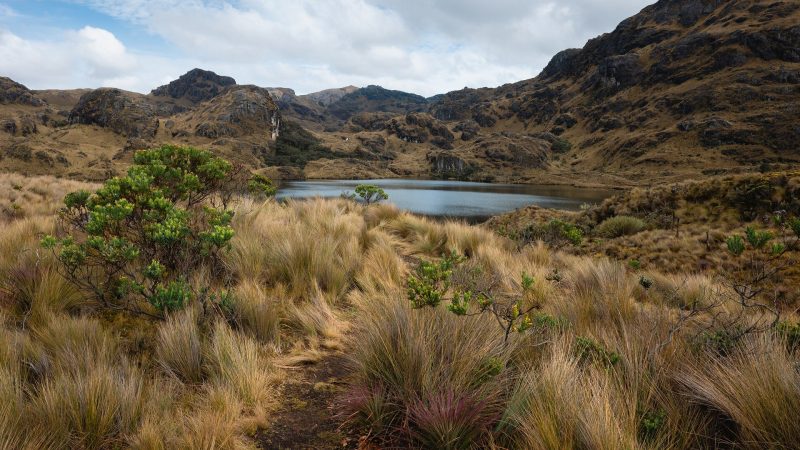
Research explains why Quichua Indigenous groups in the lower Napo River region accepted oil extraction after the Yasuní-ITT initiative failed in 2013.
A team at Saitama University has developed a method to create carbon quantum dots with adjustable light emissions from waste polyamide plastic.
A survey of 6,284 people in North Rhine-Westphalia found that political voting intentions matter more for wind energy acceptance than whether a person lives in a city or the countryside.
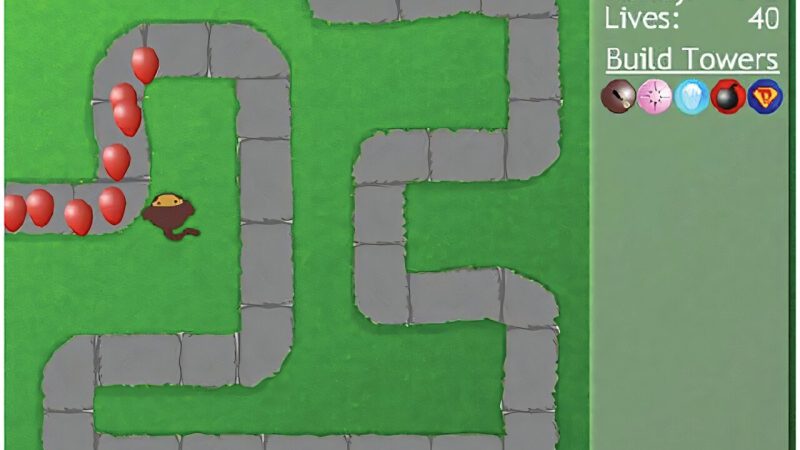
Researcher Delorme developed mathematical strategies to solve optimization problems found in the video game Bloons Tower Defense.
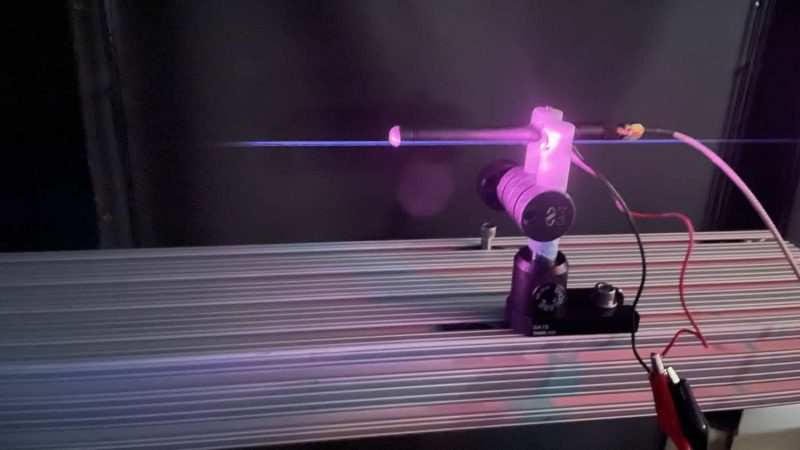
North Carolina State University researchers published a study in the IEEE Journal of Microwaves describing a laser-ionized air antenna capable of transmitting radio signals.
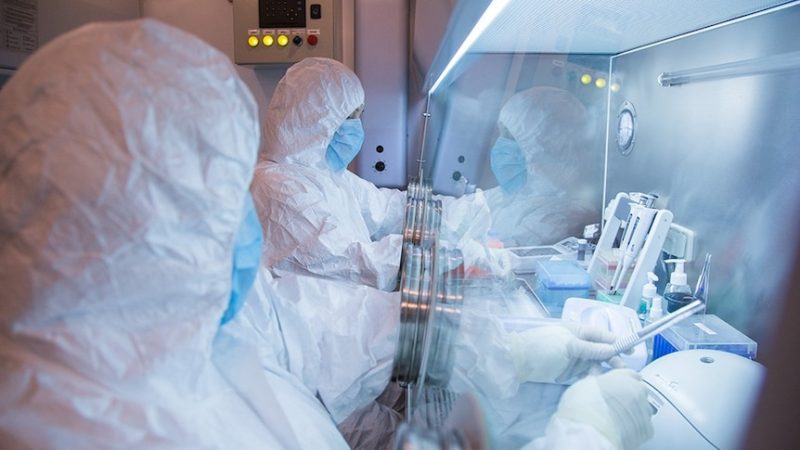
Officials in Russia, the United States, the European Commission and the WHO are monitoring conflicting reports about a worker's death at an anti-plague laboratory in Irkutsk last week.
Researchers explain the biological differences between human scarring and the limb regeneration seen in salamanders and zebrafish.
Young people in China are turning to internet content featuring small creatures to soothe anxieties about societal pressure and surveillance.
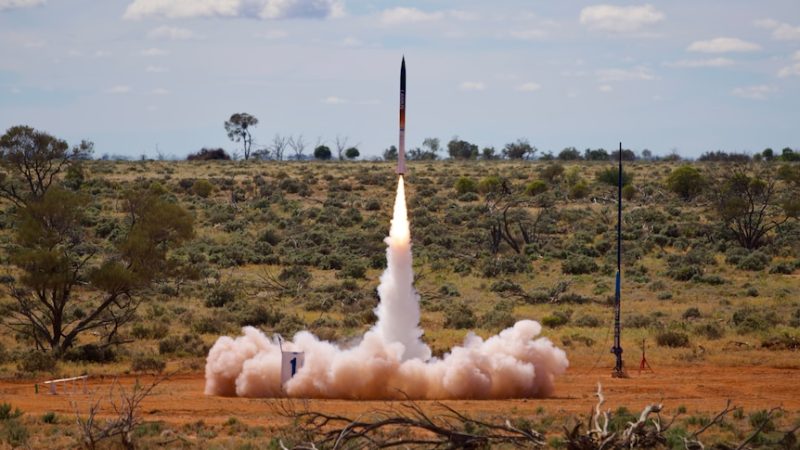
Hundreds of students from Australia, New Zealand and India competed in the third Australian Universities Rocket Competition at a remote sheep station in outback New South Wales.