Ancient Siberian tomb holds oldest cannabis evidence
Scientists in Bern report finding 1,000 seeds and chemical traces of cannabis use by Scythians in a 2,800-year-old tomb in southern Siberia.
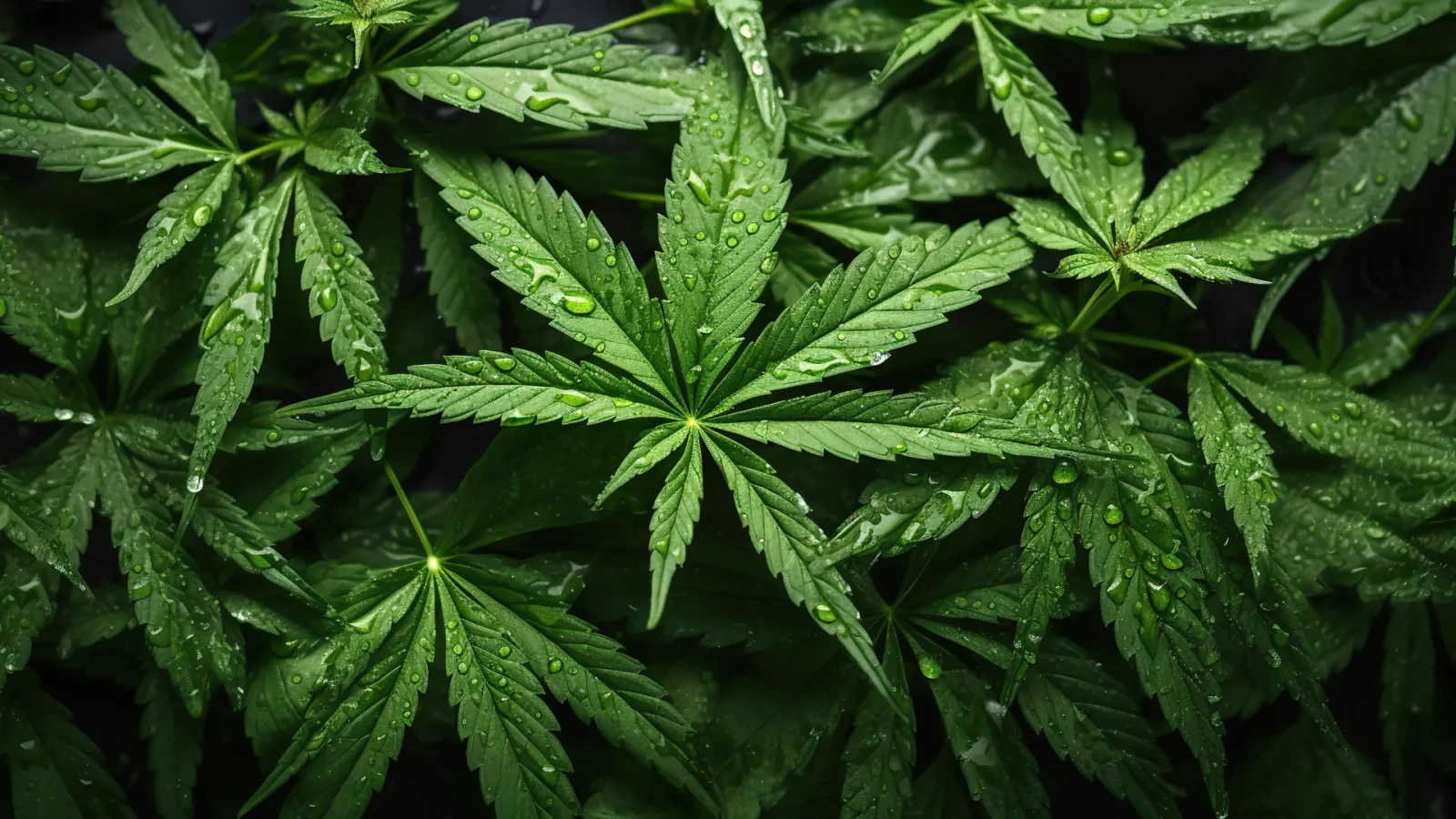
Seeds and hair show ancient use
An international team led by Dr Gino Caspari investigated an elaborate tomb in the Republic of Tyva. Researchers recovered approximately 1,000 cannabis seeds from the burial site during their investigation. Radiocarbon dating determined that six individual seeds were deposited during the early eighth century B.C. The study combines analysis of plant remains with molecular traces found in human hair samples.
Chemical signals confirm intoxicating effects
Chemical evidence in several hair samples pointed to cannabis consumption by the people buried at the site. High-resolution mass spectrometry identified clear chemical signals consistent with cannabinol in those specific samples. CBN forms when tetrahydrocannabinol undergoes oxidation, indicating the primary compound responsible for intoxication was present. Globally, this finding provides the earliest direct archaeological proof of psychoactive cannabis usage that has been dated.
Findings published in Science journal
The findings were published in the journal Science by the University of Bern and Max Planck Institute. Flowers and leaves usually decompose over time, leaving little physical evidence behind for archaeologists to study. Ancient communities relied on cannabis for practical purposes like producing fiber and oil as well. The presence of seeds alone could not establish whether people used the plant for its mind-altering effects.
Reported by one outlet
Only one outlet has published this. Nothing here has been checked against a second report, so read it as that outlet's account and follow the link below for the original.
Reported by
1 independent outlet. Headline as published. Links open the original report.