Scientists find fasting boosts gut bacteria to aid radiation repair
Researchers at the University of Texas MD Anderson Cancer Center report that a 24-hour fast increases beneficial gut bacteria to help intestines recover from radiation damage.
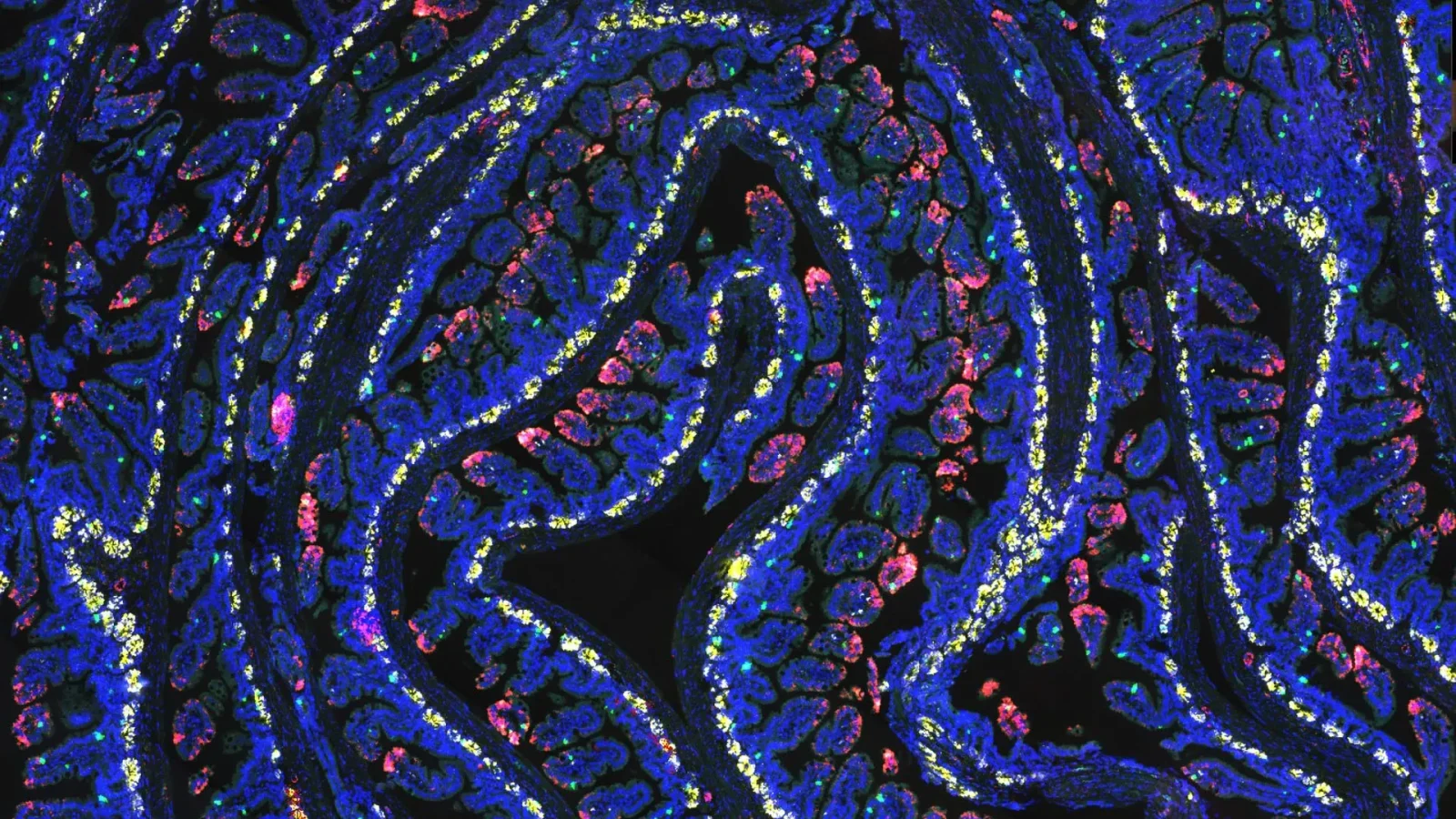
Fasting activates specific gut microbes
New preclinical research shows fasting for 24 hours increases the abundance of Akkermansia muciniphila in the small intestine. This bacterium produces propionate, a substance that triggers changes inside intestinal cells to prepare them for regeneration. The study was co-led by Helen Piwnica-Worms and Kunal Rai at the University of Texas MD Anderson Cancer Center. The results appeared in the Proceedings of the National Academy of Sciences.
Radiation therapy risks and limits
Radiation therapy treats abdominal cancers but can harm healthy tissue like the small intestine lining. Patients often suffer nausea, diarrhea, or infections when this protective lining becomes damaged after exposure. Severe injuries may cause life-threatening complications that restrict the amount of radiation doctors can safely administer. These risks limit treatment options for pancreatic, colorectal, and gynecologic cancer patients.
Propionate modifies cellular proteins
The microbe produces propionate which works alongside other metabolic changes to modify histones inside cells. Histones are structures around which DNA is packaged and their modification influences gene activity without changing the sequence. These modifications make portions of intestinal cells better prepared to regenerate following radiation damage.
Reported by one outlet
Only one outlet has published this. Nothing here has been checked against a second report, so read it as that outlet's account and follow the link below for the original.
Reported by
1 independent outlet. Headline as published. Links open the original report.