New beetle species named after band Twenty One Pilots found in ancient amber
Researchers in Spain and France have described a new puppet beetle species trapped in 53-million-year-old amber from northern France.
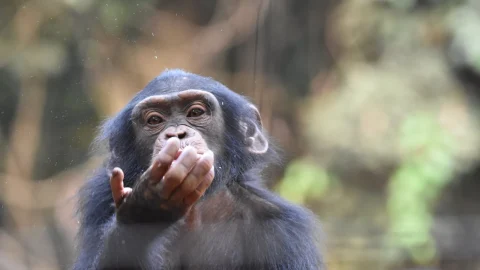
A study published in PNAS reveals that chimpanzees in Ivory Coast and Sierra Leone learn when to use specific calls from their peers.
A University at Buffalo-led research team published computer models predicting the optical signatures of atomic defects in hexagonal boron nitride on November 14.
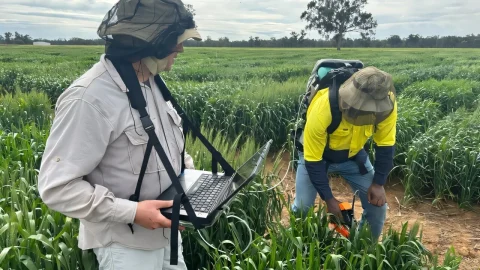
Australian scientists at CSIRO are using hyperspectral vision technology to help breeders identify robust wheat varieties for Australian farmers.
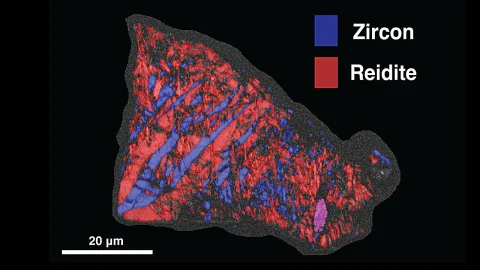
Researchers at the American Geophysical Union tested zircon, apatite and whitlockite grains under shock pressures ranging from 5 to 40 GPa to better reconstruct planetary impact events.
An international team led by the Max Planck Institute for Chemistry found that Southern Ocean biological changes fueled Earth's warmest climate in 65 million years.
Researchers at RPTU published findings on a quantum state where two lithium atoms remain bound despite having enough energy to separate.
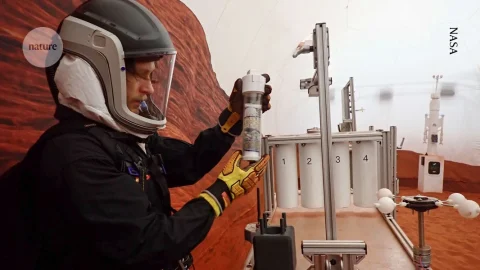
Engineer Matthew Montgomery exited a simulated Mars habitat at NASA's Johnson Space Center in Houston on October 31 following a 378-day isolation period.
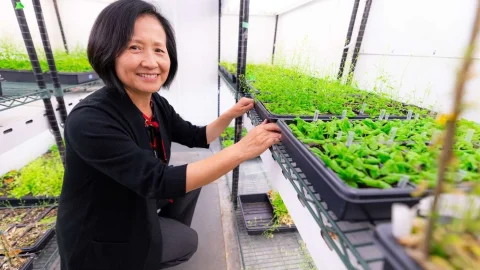
Hongqing Guo and her team at Iowa State University identified a new mechanism controlling how Arabidopsis thaliana plants adjust to warm temperatures.
Scientists from the University of Central Asia and Utrecht University reconstructed the complex tectonic history spanning 200 million years across Iran, Afghanistan, and the Pamir Mountains.