Chimpanzees learn vocal conventions like human children do
A study published in PNAS reveals that chimpanzees in Ivory Coast and Sierra Leone learn when to use specific calls from their peers.
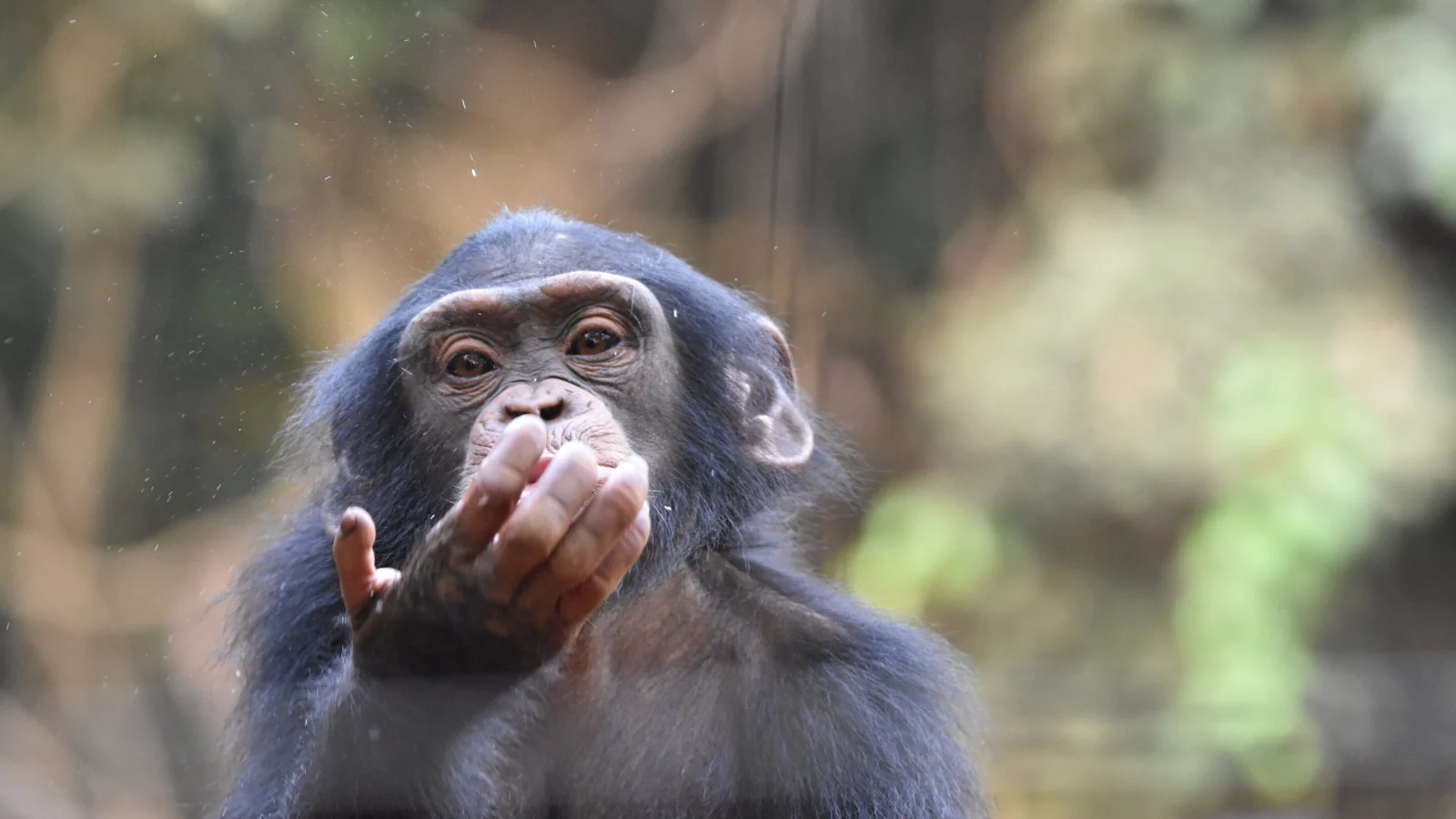
Raspberry call usage varies by group
Researchers analyzed how 91 chimpanzees used the raspberry sound across different communities. Wild groups in Taï National Park, Ivory Coast, used this unvoiced sound almost exclusively while grooming others. Conversely, the Tacugama Chimpanzee Sanctuary in Sierra Leone saw orphaned juveniles employing it within a far broader spectrum of social contexts. These differences suggest that chimpanzees learn not only to make a call but also when and why to use it.
Adults shape group communication patterns
The team found that introducing an adult newcomer to a sanctuary group gradually changed how the group used the raspberry. The group's usage became more consistent and began to resemble the newcomer's specific style. This indicates that grown-ups serve as examples aiding a group in establishing common ways to communicate. Such findings indicate the link between sound and use is passed from one chimpanzee to another rather than being built in at birth.
Vocal learning parallels human language
Richard Moore, a philosopher at the University of Warwick, noted that communal practice fixes meaning rather than features of words themselves. Antoine Valet stated that aspects of vocal communication once thought fixed may actually be shaped by learning. Catherine Crockford from the CNRS Institute of Cognitive Sciences in Lyon suggested grooming might explain why different populations use calls similarly. The discovery shows more continuity between chimpanzee vocal learning and human language than previously suspected.
Reported by one outlet
Only one outlet has published this. Nothing here has been checked against a second report, so read it as that outlet's account and follow the link below for the original.
Reported by
1 independent outlet. Headline as published. Links open the original report.