Western cropland loss reduces landscape buffer against wildfires
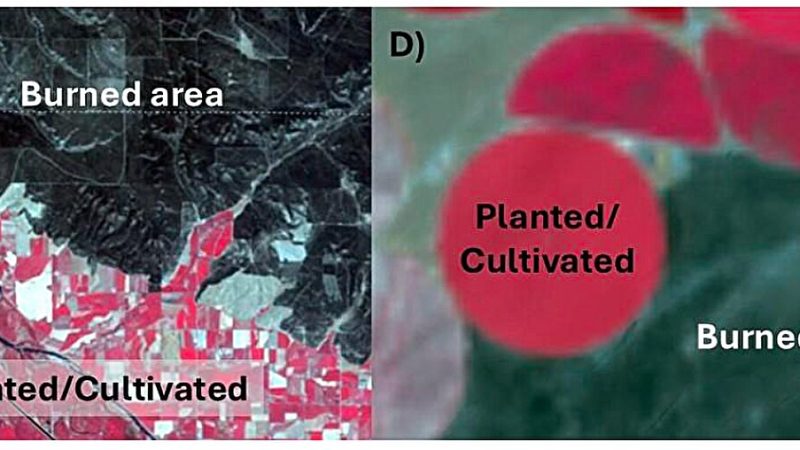
New research published in Environmental Research Letters examines how over four million hectares of western U.S. cropland lost since 1985 affects wildfire resilience.
New research published in Environmental Research Letters examines how over four million hectares of western U.S. cropland lost since 1985 affects wildfire resilience.
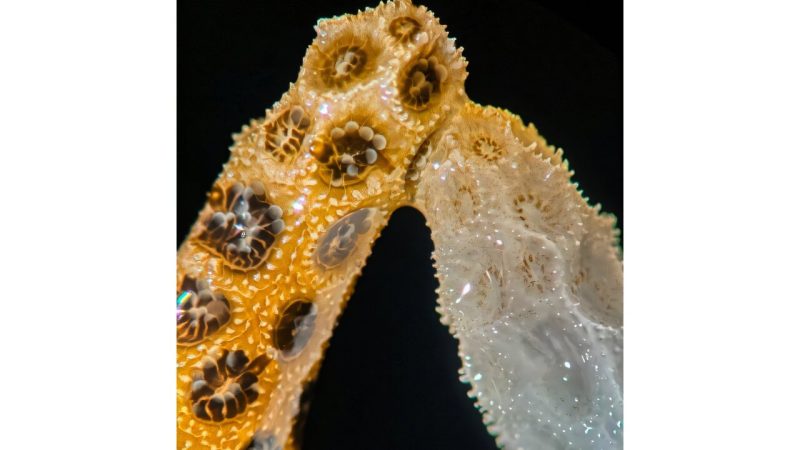
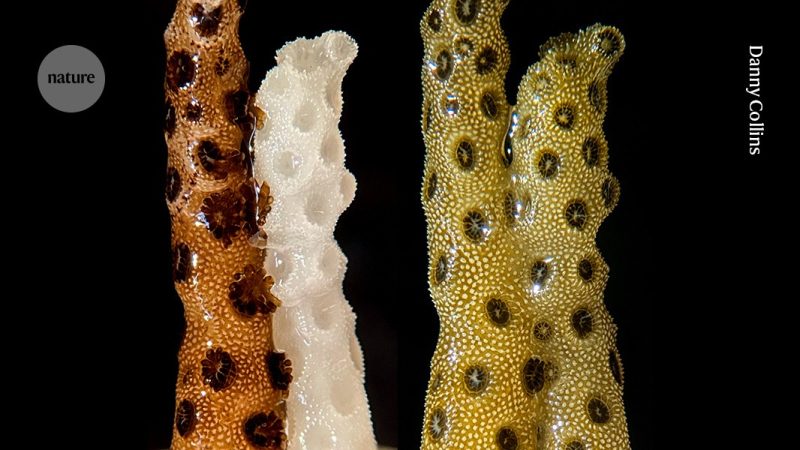
Stanford University scientists published a study in Science Advances showing that healthy corals can restore color to bleached neighbors within five days.
Alessandro Curioni of IBM told AFP in London on Wednesday that most organizations are unprepared for the encryption-breaking risks posed by quantum computing.
A new study published Wednesday in Science Advances reports that industrial fishing increased in the majority of marine reserves globally between 2012 and 2024.
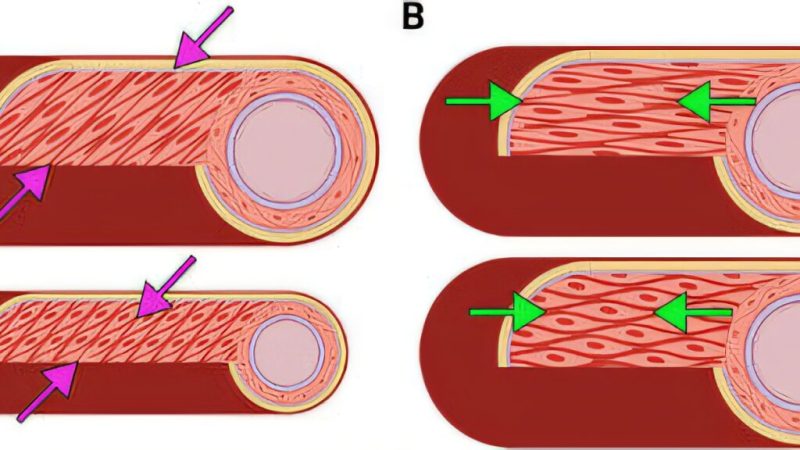
A team at Vanderbilt University has demonstrated how smooth muscle cells can self-organize into spirals to help engineer microvessels that regulate blood flow.
Researchers at Stanford University and Hopkins Marine Station reported that bleached corals recovered fully within days after contact with healthy neighbours.
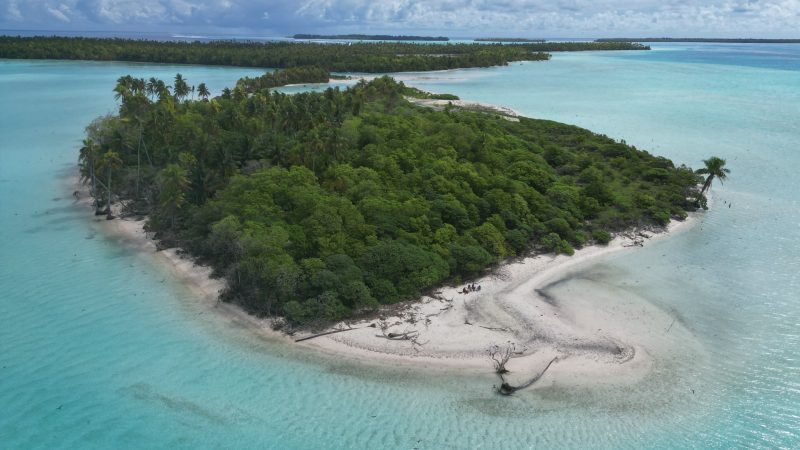
Researchers from Lancaster University published a study in Science Advances showing how removing rats and planting native trees can help low-lying atolls survive sea-level rise.
A research team at The Hong Kong Polytechnic University analyzed global data from 1980 to 2023 to find that tropical cyclone rainfall areas are extending inland.
A new study from Monash University in Australia shows that worldwide exposure to same-day heat waves and wildfire smoke increased by 287 million people between 2000 and 2019.
Australian researchers have announced a new genus of deep-sea segmented marine worms collected during expeditions in 2021 and 2022.