Historians doubt snakebite caused Cleopatra death in Alexandria
Experts say ancient accounts of Queen Cleopatra's suicide by asp bite are likely propaganda from her enemies after her defeat in 31 B.C.
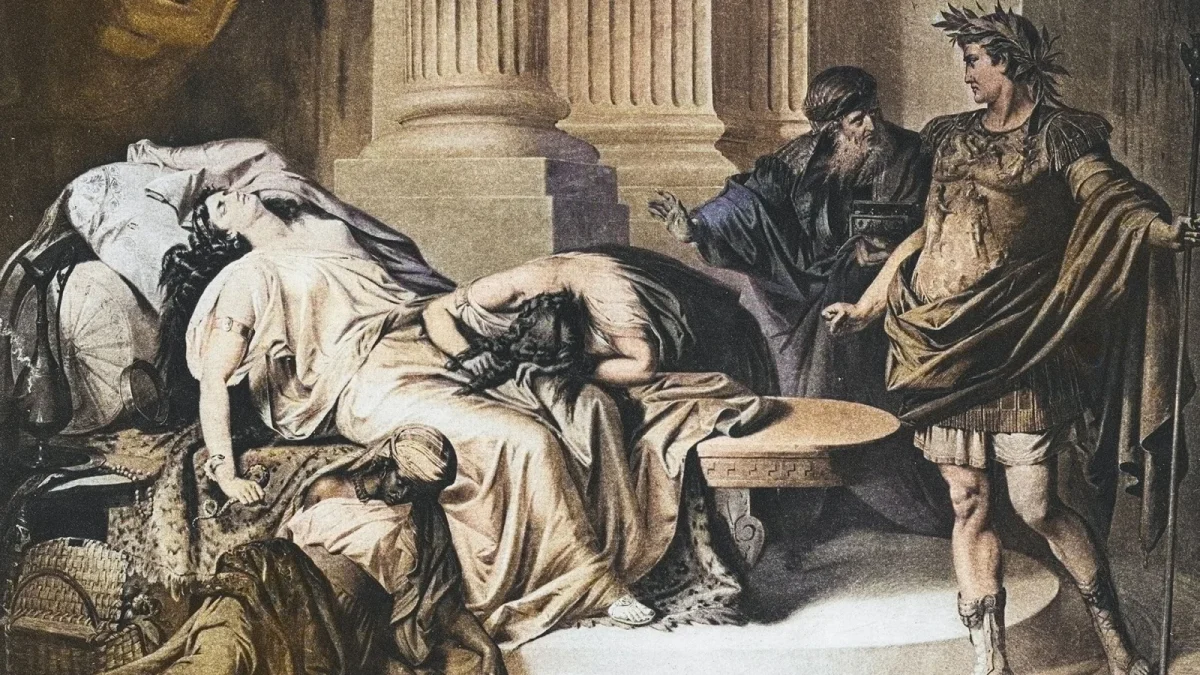
Ancient writers disagreed on the cause
Roman historian Velleius Paterculus claimed a venomous snake killed the queen. Other ancient sources called this story propaganda designed to help Octavian rise to power. Most modern historians doubt the snake was involved in her death at all. The famous account comes from Octavian's own supporters rather than neutral observers.
Evidence of the death is missing
Much of Alexandria's royal quarter now lies underwater beneath the sea. Underwater archaeologist Franck Goddio has not found the queen's mausoleum during excavations there. Bones from a skeleton would be unlikely to show evidence of snake venom anyway. Olympus, Cleopatra's personal physician, likely knew the truth but his account does not survive today.
Queen chose dignified suicide methods
Historians agree Cleopatra VII took her own life to avoid disgrace as a prisoner. She had already tried to stab herself when soldiers broke into her barricaded tomb. Later she attempted starvation until Octavian threatened her children with harm. Suicide carried no stigma in the Greco-Roman world at that specific time.
Reported by one outlet
Only one outlet has published this. Nothing here has been checked against a second report, so read it as that outlet's account and follow the link below for the original.
Reported by
1 independent outlet. Headline as published. Links open the original report.