Indigenous farmer revives ancient climate resilient oil millet in Taiwan
Taiwan Indigenous farmer Banu Ismahasan is growing a drought resistant crop called oil millet in Buklavu village within Taitung County.
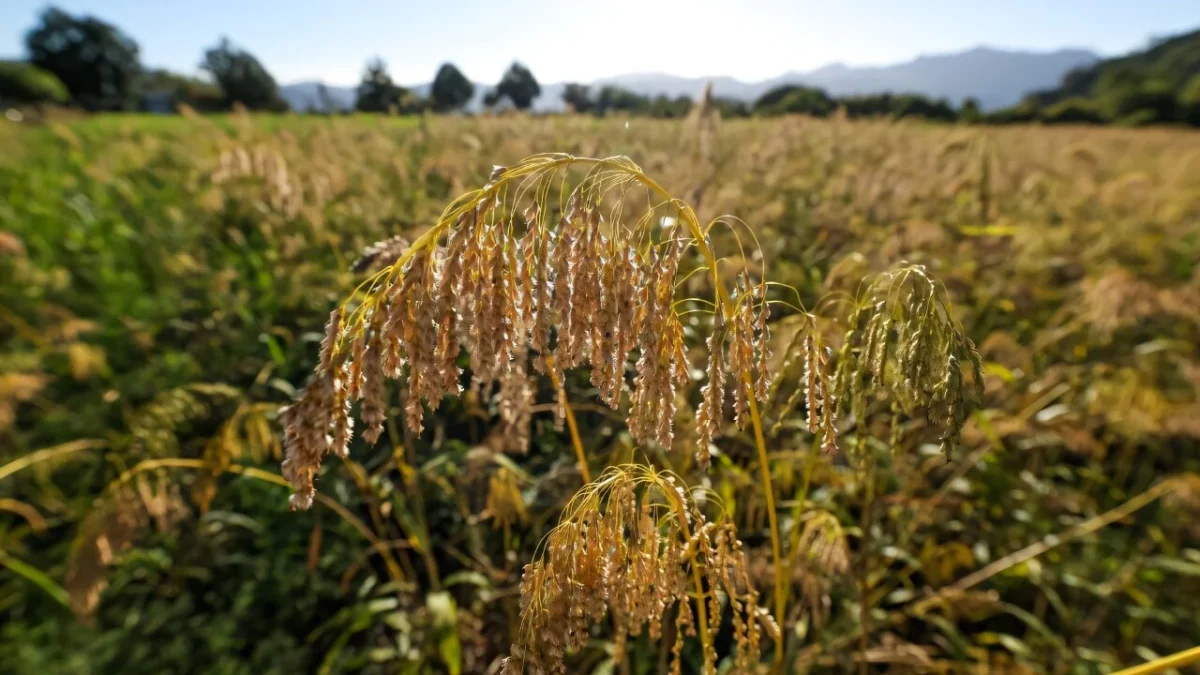
Harvesting the forgotten grain
Ismahasan, who is 48 years old, walks through golden fields to harvest tall stalks by hand. He and his elderly parents worked for a decade to bring back this nearly forgotten crop in the Bunun community. The plant was once grown as a backup when staple rice crops died due to disasters. Ismahasan first read about the plant online before researching historical documents and speaking with tribal elders.
Natural resilience against weather
A single oil millet seed grows 15 to 20 panicles while foxtail millet typically grows only one. The stems regenerate on their own without needing to be sown again after being cut. During a drought lasting more than 200 days, the crop stayed bright green while other plants withered. Typhoons, floods and rust disease outbreaks have not affected this hardier variety on his 2.2-hectare farm.
Research confirms unique traits
Former academic Hsing Yue-ie discovered that plant samples gathered during the 1890s remained stored at Britain's Royal Botanic Gardens, Kew. Her finding showed that the seed's natural wax layer allowed growth even when lacking water, fertilizers, or pesticides. The grain is rich in oil, protein and minerals for human and animal consumption as well as fuel. Experts note it grows well even on poor-quality land full of large rocks in mountainous areas.
Reported by one outlet
Only one outlet has published this. Nothing here has been checked against a second report, so read it as that outlet's account and follow the link below for the original.
Reported by
1 independent outlet. Headline as published. Links open the original report.