NASA Voyager 1 probe reaches new distance milestone
NASA's Voyager 1 spacecraft will reach a distance of 16.09 billion miles from Earth on Wednesday, November 18.
Spacecraft hits light-day distance mark
On Wednesday, November 18, the Voyager 1 probe will travel 16.09 billion miles from our planet. This vast separation means light requires exactly 24 hours to cross the gap between the spacecraft and Earth. The mission celebrates this achievement while the probe itself observes its own light-day in total darkness. Scientists turned off the camera in 1990 immediately after capturing iconic images beyond Neptune's orbit.
Jupiter observations transformed planetary science
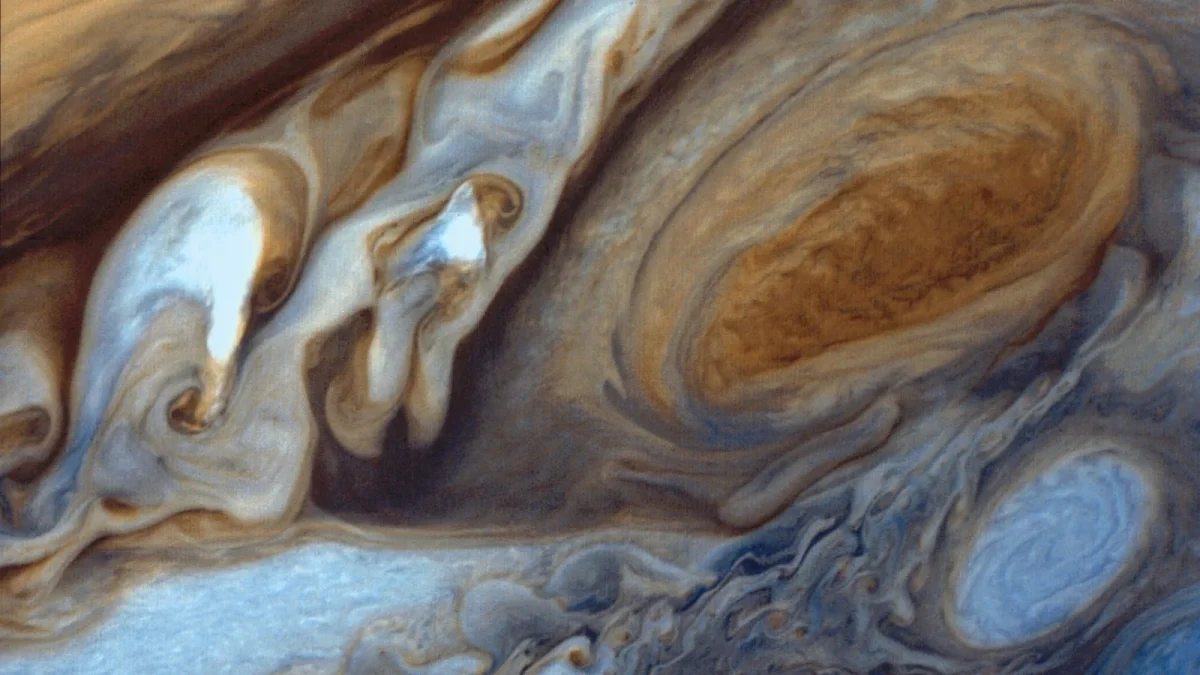
Between January and April 1979, the probe observed Jupiter closely to reveal dynamic atmospheric bands spinning at various speeds. Voyager reached a minimum distance of 174,000 miles in March 1979 during this intense observation period. The spacecraft snapped a photo every 96 seconds to create a time-lapse movie covering about 60 full days on Jupiter. These observations showed the planet is far more dynamic than astronomers previously realized based on Pioneer data.
Discovery of rings and volcanic moons
Just before closest approach, Voyager spotted a thin, faint ring system made primarily of dust around the gas giant. Ground-based observatories soon confirmed these rings existed after Voyager saw Jupiter backlit by the sun. The probe also witnessed the first-ever volcanic eruption on Io, showing moons can be geologically active. Loki Patera is an estimated 125 miles wide and spews material into space during such events.
Reported by one outlet
Only one outlet has published this. Nothing here has been checked against a second report, so read it as that outlet's account and follow the link below for the original.
Reported by
1 independent outlet. Headline as published. Links open the original report.