Alaska archaeologists race to salvage artifacts before next storm hits
Archaeologists in Alaska are working to recover damaged artifacts from a dig site after last year's typhoon scattered items and destroyed infrastructure.
Archaeologists in Alaska are working to recover damaged artifacts from a dig site after last year's typhoon scattered items and destroyed infrastructure.
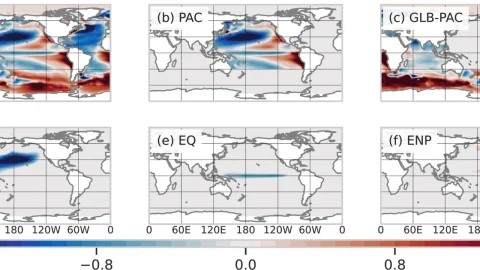
Researchers analyzing Coupled Model Intercomparison Project Phase 6 data found that sea surface temperature errors shift the North Pacific westerly jet stream southward in most simulations.
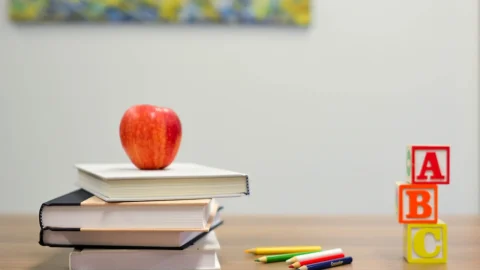
New research from The Ohio State University shows adolescents involved with child protective services miss more school across twenty urban cities.
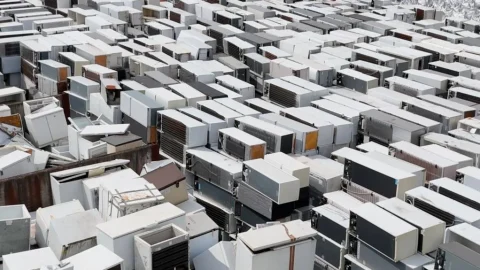
Tens of thousands of fridge freezers remain stored at Newport Docks following the liquidation of Unimetals and a suspension of household collections across many Welsh councils.
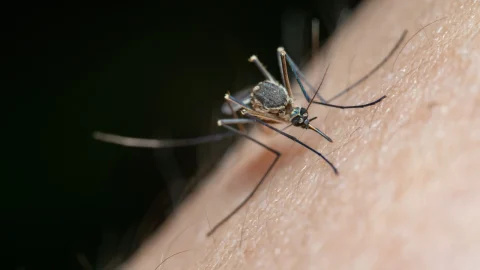
Researchers at the Barcelona Institute for Global Health identified how the malaria parasite detects stress to boost transmission.
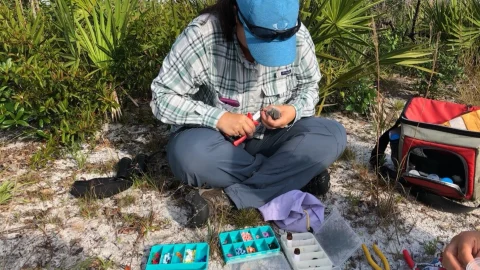
Biologists in Florida are studying how a recent large-scale translocation of scrub-jays affects breeding ages and population recovery.
Canadian researchers report that rethinking how students are assessed in classrooms may improve their mental health and reduce social pressure.
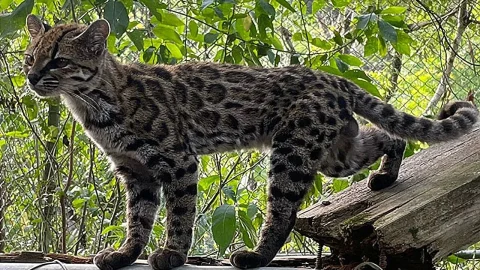
Researchers have identified and named a previously unknown wild cat species living at a sanctuary in the Yungas region of Bolivia.
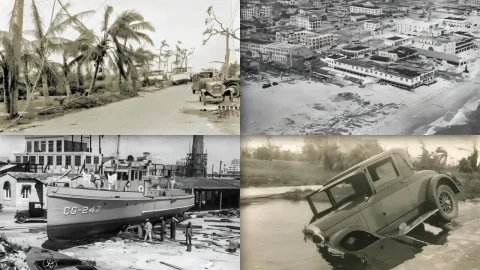
A powerful Category 4 hurricane hit the Miami area on September 18, 1926, causing widespread devastation and ending the local land boom.
A team from Friedrich-Alexander University Erlangen-Nürnberg and other institutions demonstrated on September 19, 2026, that specific light fields can temporarily reshape graphene into a Floquet topological insulator.