Malaria parasite increases sexual forms when host conditions worsen
Researchers at the Barcelona Institute for Global Health identified how the malaria parasite detects stress to boost transmission.
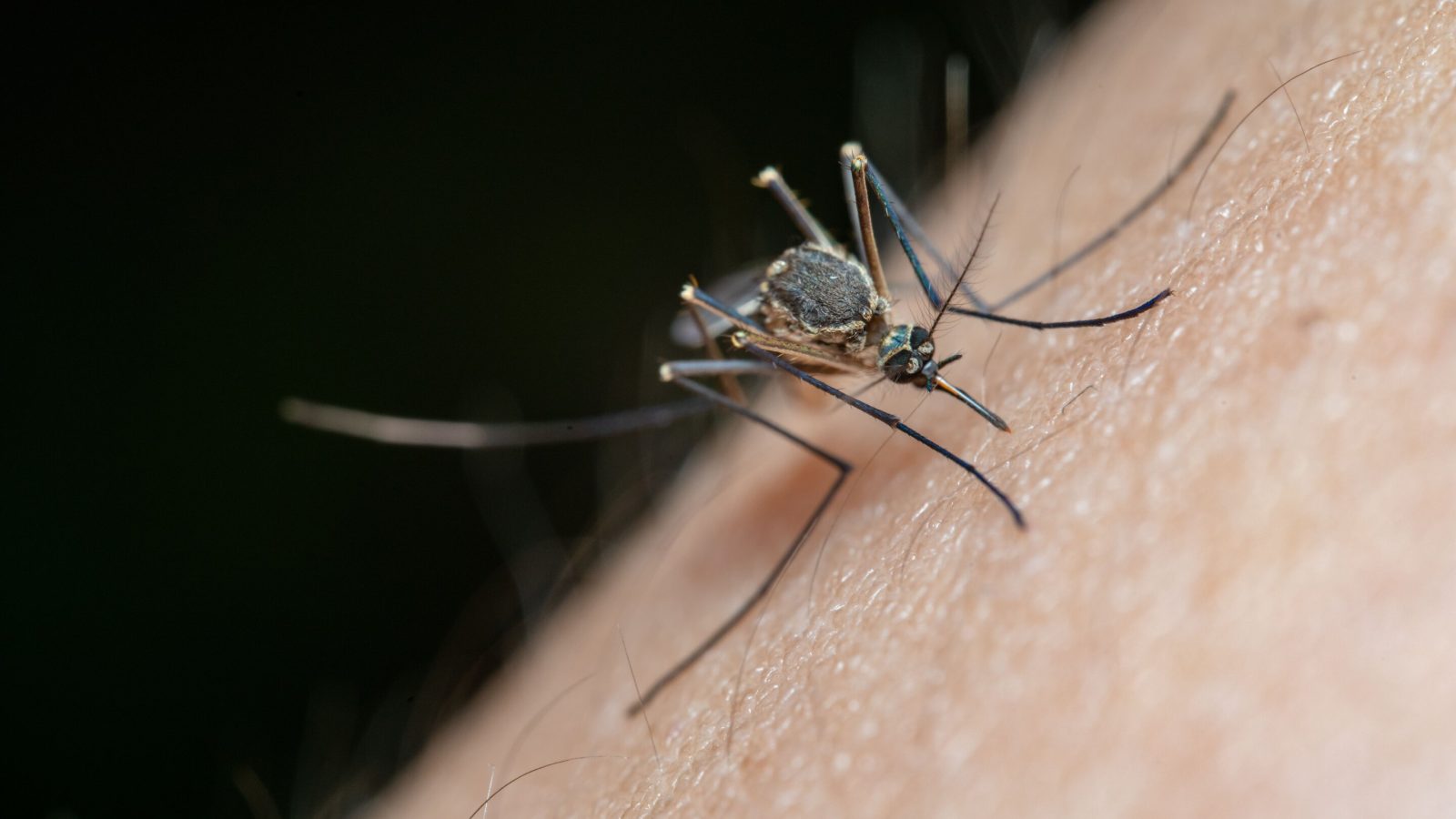
Parasite adjusts life cycle under pressure
The malaria parasite Plasmodium falciparum faces competing demands while infecting human blood. It must multiply to sustain the infection or develop into sexual forms for mosquito transmission. When host conditions become unfavorable, the organism shifts resources toward creating these transmissible gametocytes.
New study reveals molecular mechanism
Scientists published findings in Nature Microbiology that explain this specific biological response. The research answers a major unanswered question in malaria research for decades. This discovery clarifies how the parasite detects environmental changes like fever or nutrient shortages.
Reported by one outlet
Only one outlet has published this. Nothing here has been checked against a second report, so read it as that outlet's account and follow the link below for the original.
Reported by
1 independent outlet. Headline as published. Links open the original report.