Sea squirts react to substrate vibrations rather than sound pressure
Researchers at Ruhr University Bochum found that sea squirts in the Mediterranean respond to low-frequency vibrations instead of sound pressure.
Study focuses on seafloor creatures
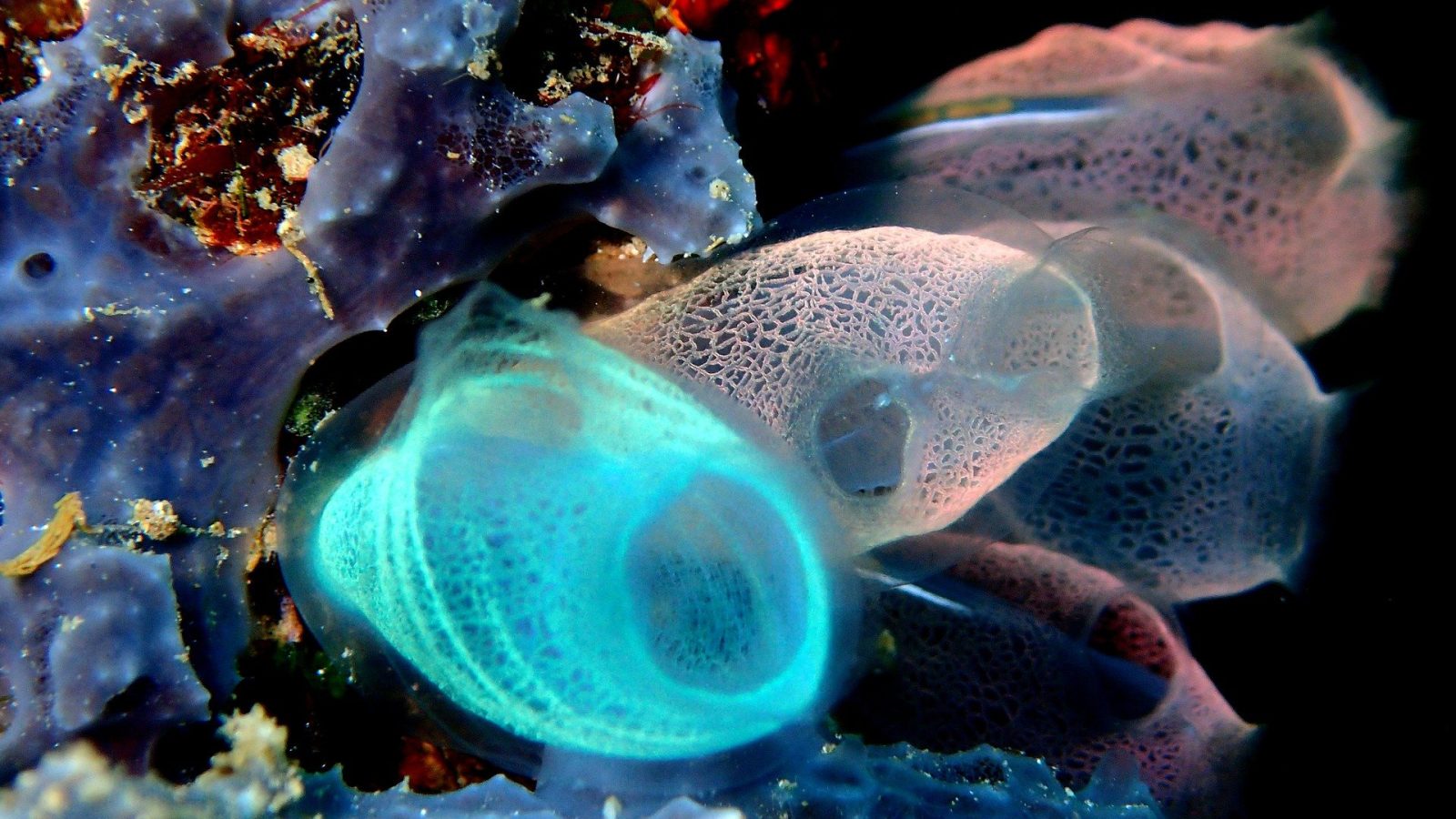
A team led by Dr Mareike Huhn investigated how small tunicates living on the seabed perceive noise. The scientists examined the species Halocynthia papillosa to determine which parts of acoustic stimuli trigger behavior.
Vibrations drive animal contractions
Experiments conducted in both field settings and laboratories showed that creatures contracted mainly between 50 and 800 hertz. These reactions were linked specifically to increased vibrations within the substrate rather than sound pressure alone.
Findings published in Marine Biology
The research team noted that sound pressure measurements often fail to capture effects on bottom-dwelling organisms. Til Böttner reported these results as part of his doctoral thesis work.
Reported by one outlet
Only one outlet has published this. Nothing here has been checked against a second report, so read it as that outlet's account and follow the link below for the original.
Reported by
1 independent outlet. Headline as published. Links open the original report.