Scientists find ocean predator chemicals warn of toxic algal blooms
A team at the University of California, Santa Cruz published a study in the Proceedings of the National Academy of Sciences this week.
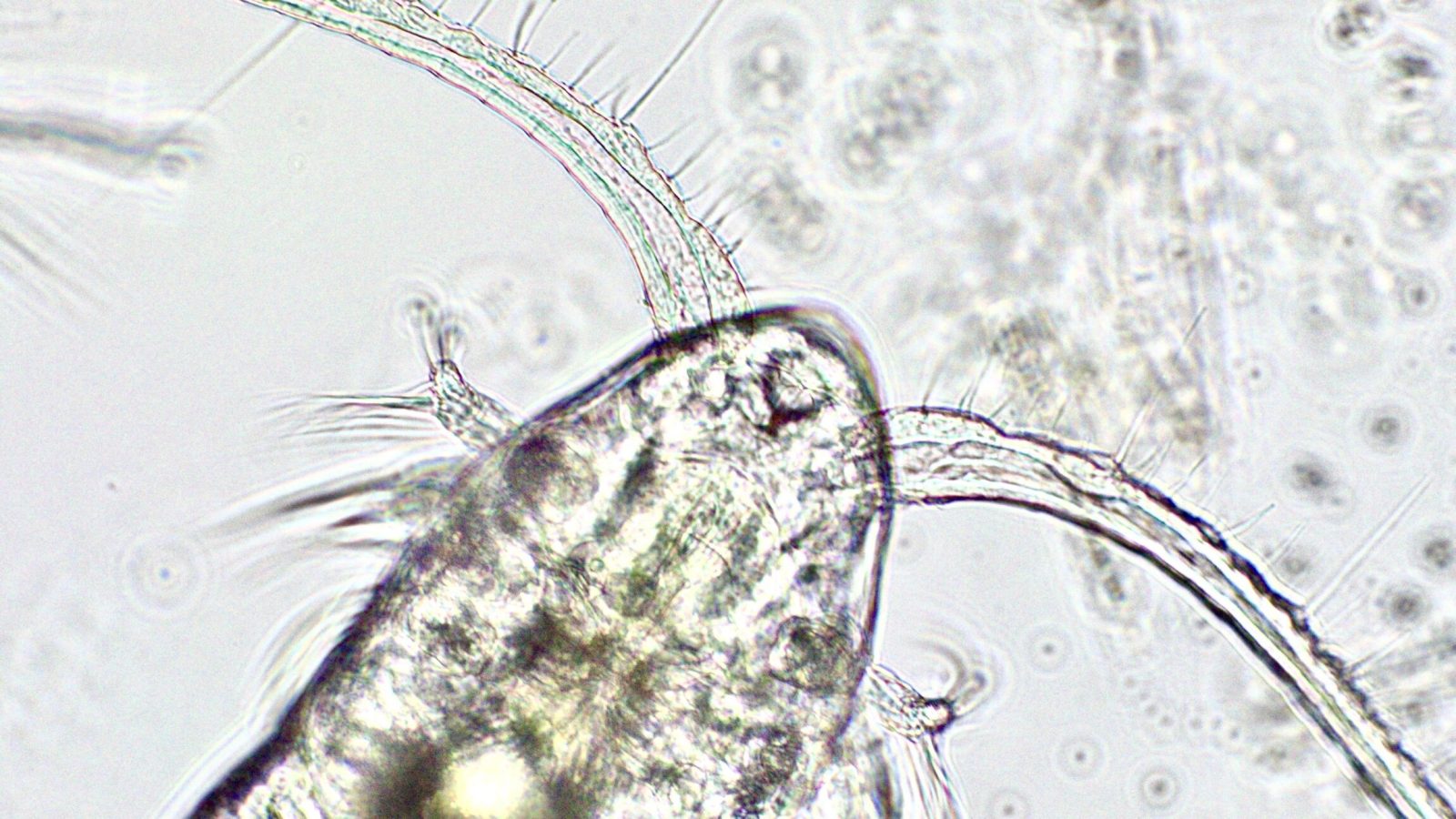
New method uses biological signals
Researchers measured chemical alarm cues produced by microscopic ocean predators to forecast harmful algal blooms. These signals are known as copepodamides and represent a group of polar lipids. The study shows that passively measuring these substances allows scientists to track hazardous marine events.
Forecast time extends significantly
This biological monitoring technique provides up to seven weeks of advance warning for coastal agencies. That lead time is more than a month longer than conventional toxin-tracking methods currently in use. The new approach gives shellfish fisheries critical notice before toxins reach dangerous levels.
Shift from physical drivers
Ocean forecast models have historically focused almost exclusively on physical and environmental drivers like currents and temperature. Professor Raphael Kudela noted that capturing chemical signals of biological predators opens a vital window into ecosystem dynamics. This addition creates a new and reliable monitoring technique for the early-warning toolbox.
Reported by one outlet
Only one outlet has published this. Nothing here has been checked against a second report, so read it as that outlet's account and follow the link below for the original.
Reported by
1 independent outlet. Headline as published. Links open the original report.