Researchers use AI to build a UK digital museum of millions of specimens
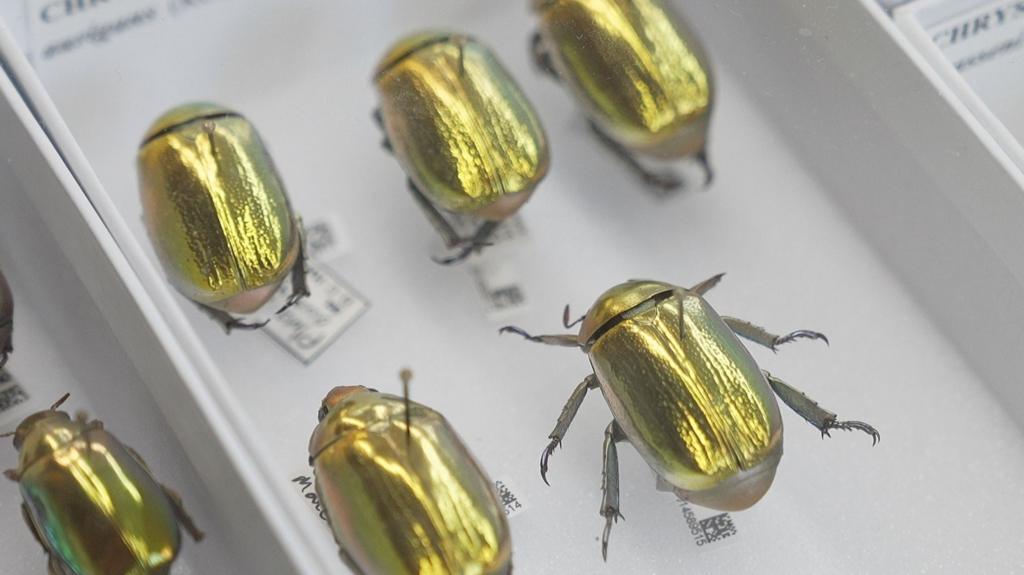
UK researchers are using artificial intelligence to digitise millions of natural history specimens from institutions across the country.
AI speeds up digitisation process
Robots and software will scan items collected over centuries to complete work that previously took hundreds of years. This new approach reduces the timeline for creating a comprehensive digital archive down to just one decade. The project aims to make these records available for public viewing on phones and computers.
Database reveals planetary history
The resulting resource will contain approximately 70 million animals, plants, fossils and rocks from various collections. Scientists hope this data helps them understand how the UK has changed throughout the entire history of the planet. Researchers also plan to use the information to predict future changes to climate, food supplies and species loss.
Funding opens new drawers
New money will allow institutions across the nation to access specimens currently stored in closed cupboards. Major groups like the Natural History Museum and Royal Botanic Gardens Kew already hold searchable items on the database. The Arts and Humanities Research Council is part of the UK Research and Innovation Agency funding this work.
Reported by one outlet
Only one outlet has published this. Nothing here has been checked against a second report, so read it as that outlet's account and follow the link below for the original.
Reported by
1 independent outlet. Headline as published. Links open the original report.