Osaka researchers accelerate protons to record energy using long-pulse lasers
Researchers at the University of Osaka used long-pulse lasers and graphene targets to accelerate protons to a record energy of 132 MeV.
New method avoids target damage
Previous ultrathin targets were vulnerable to weak prepulses that preceded the main laser pulse. The team adapted the process to create a moving electric field for acceleration. This change reduces concerns about target vulnerabilities during high-energy ion acceleration.
Protons reach half light speed
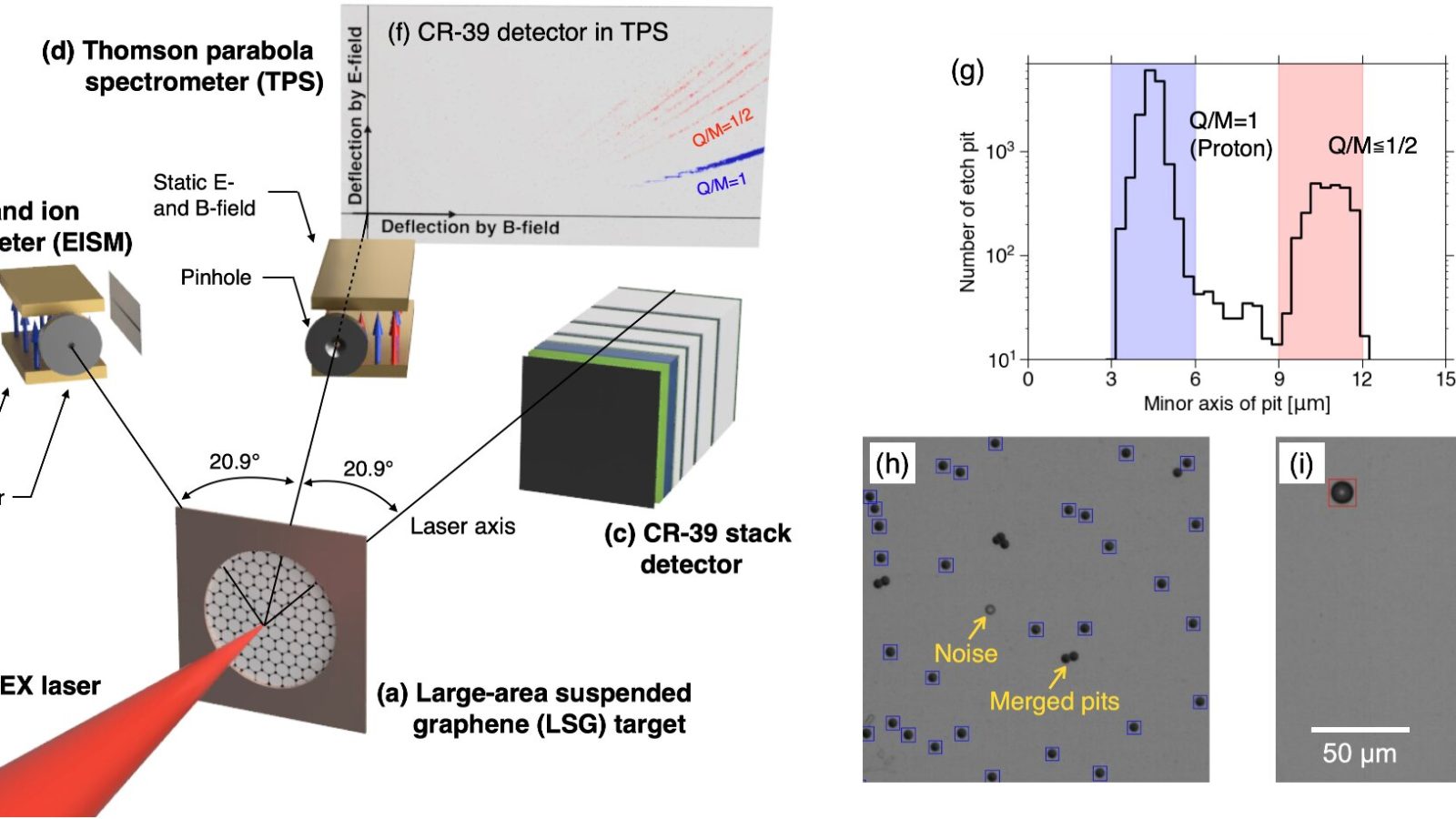
The experiment utilized ultrathin graphene layers combined with a relatively long laser pulse duration. Simulations confirmed that protons gained energy from the moving electric field over an extended period. The resulting proton energy reached nearly half the speed of light.
Reported by one outlet
Only one outlet has published this. Nothing here has been checked against a second report, so read it as that outlet's account and follow the link below for the original.
Reported by
1 independent outlet. Headline as published. Links open the original report.