New Camelina genome analysis offers tools for improved crop breeding
Researchers published a new paper in Nature Communications detailing how wild relatives of camelina can expand options for crop breeders.
Low genetic diversity limits current varieties
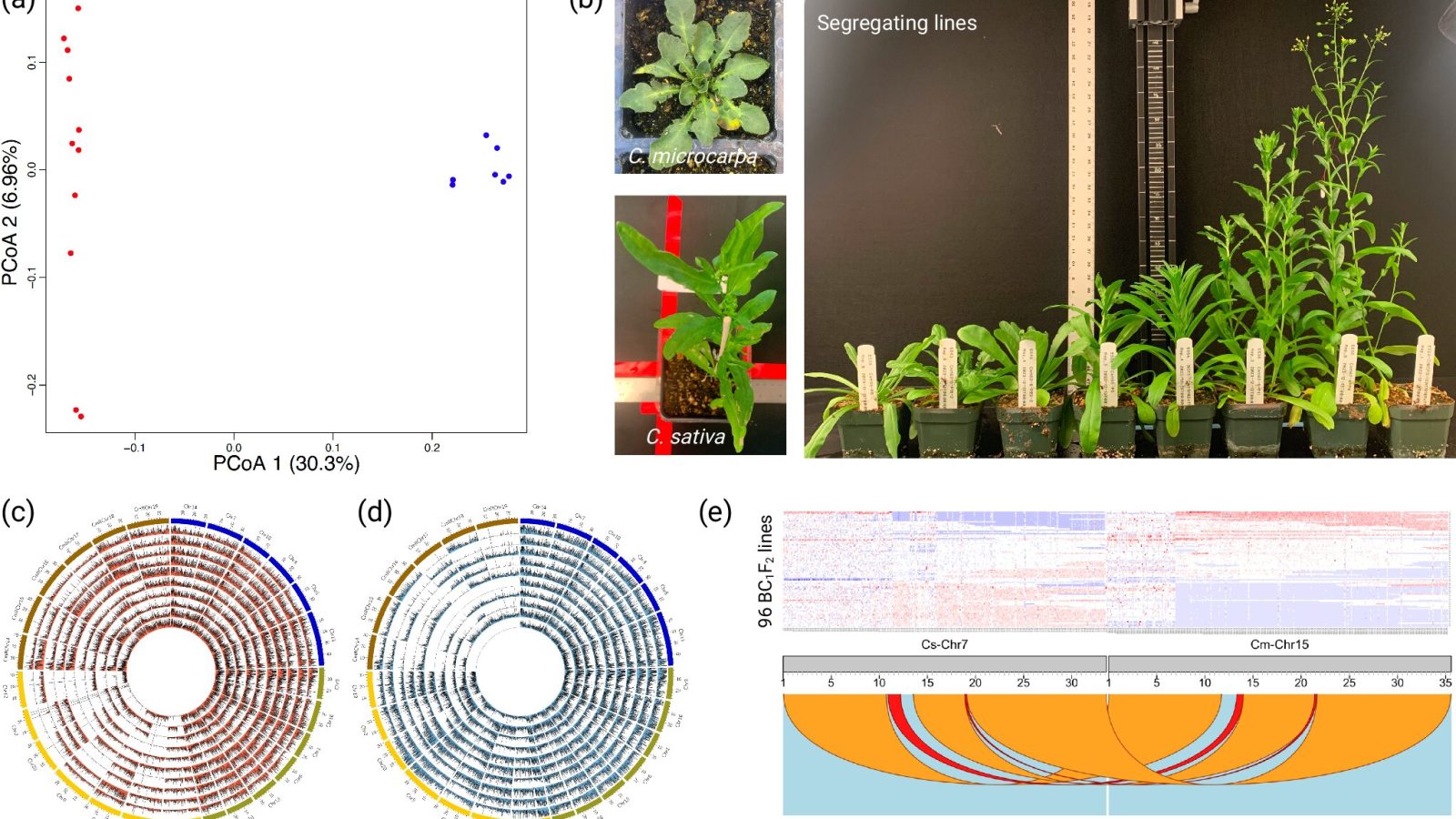
Camelina is an ancient oilseed gaining interest for food, livestock feed and renewable fuel markets. The crop currently has very low genetic diversity which researchers wanted to increase. This lack of variation makes it difficult to develop varieties suited to local growing conditions.
Study builds on previous PhD work
The new research paper builds on studies started by Dr Raju Chaudhary during his Ph.D at USask. He worked with Dr Isobel Parkin at AAFC to trace the genome evolution of the plant. The project reflects a strong collaboration between GIFS and AAFC.
Improved traits support farm operations
Increased genetic diversity allows breeders to create varieties that are more consistent in the field. These improved crops can better fit into existing crop rotations for producers. Industry groups see this as a foundation for stronger supply chains.
Reported by one outlet
Only one outlet has published this. Nothing here has been checked against a second report, so read it as that outlet's account and follow the link below for the original.
Reported by
1 independent outlet. Headline as published. Links open the original report.