JWST finds early galaxies spread life ingredients 500 million years after Big Bang
New data from the James Webb Space Telescope shows that galaxies distributed heavy elements just 500 million years after the Big Bang.
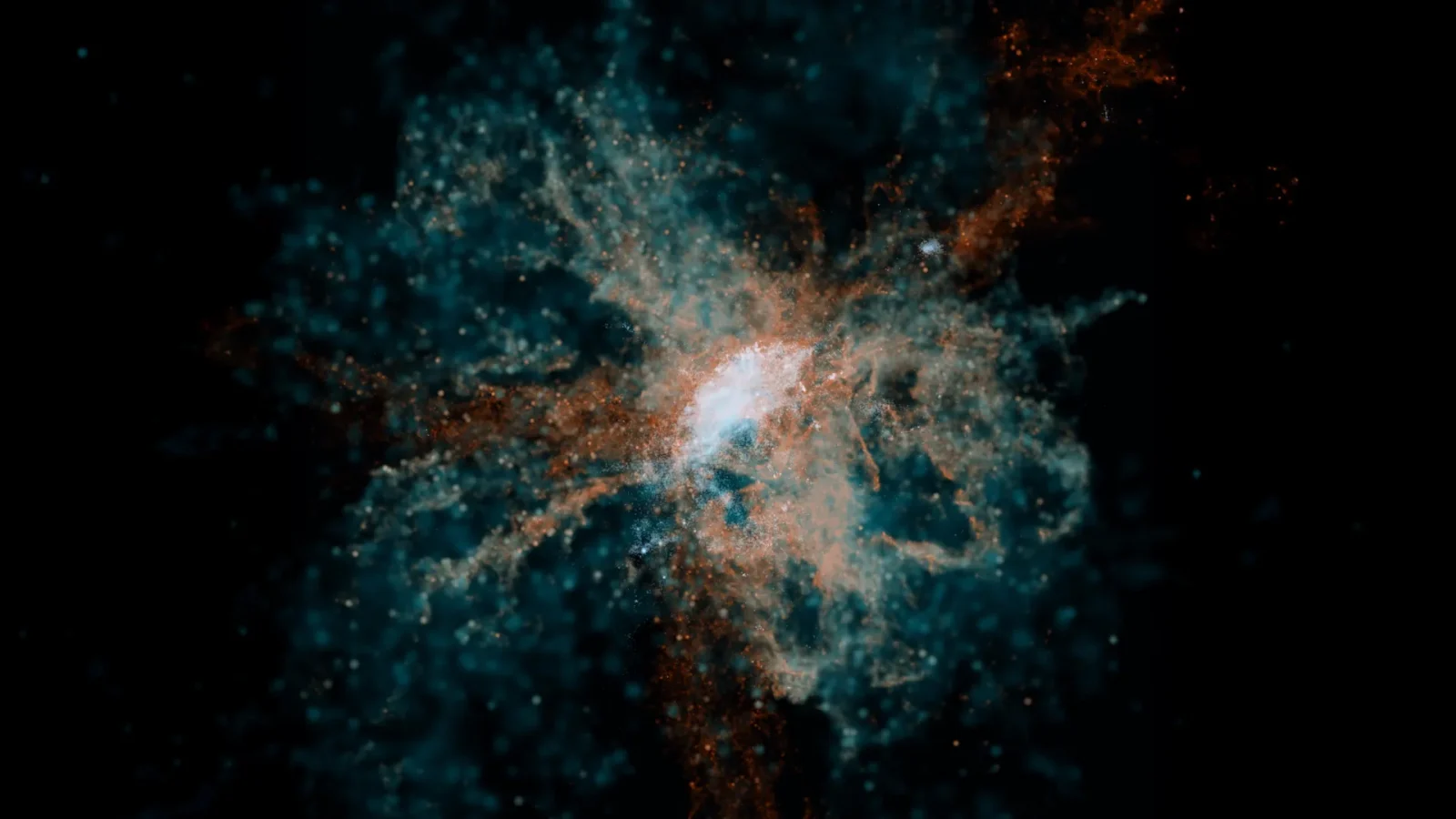
Chemical enrichment happened very early
Astronomers expected the gas around young galaxies to remain mostly hydrogen and helium. Instead, observations show that heavier materials like carbon and oxygen were already escaping into space. This discovery indicates the universe became chemically enriched much sooner than models predicted.
Research team led by Arizona
A group of researchers from the University of Arizona published their findings in Nature Astronomy. Yongda Zhu, a postdoctoral researcher at the institution, stated that heavy elements left galaxies very early in cosmic time. The study challenges previous assumptions about how pristine the newborn cosmos remained.
First stars may be erased
The rapid spread of these ingredients suggests traces of the very first stars might no longer exist. Scientists had thought much of the early gas would still consist of basic elements from the Big Bang. The new evidence points to a more complex history for the young universe.
Reported by one outlet
Only one outlet has published this. Nothing here has been checked against a second report, so read it as that outlet's account and follow the link below for the original.
Reported by
1 independent outlet. Headline as published. Links open the original report.