Caltech researchers identify two brain circuits controlling fruit fly threat displays
A team at Caltech has discovered how two specific brain modules coordinate wing and leg movements for aggressive displays in fruit flies.
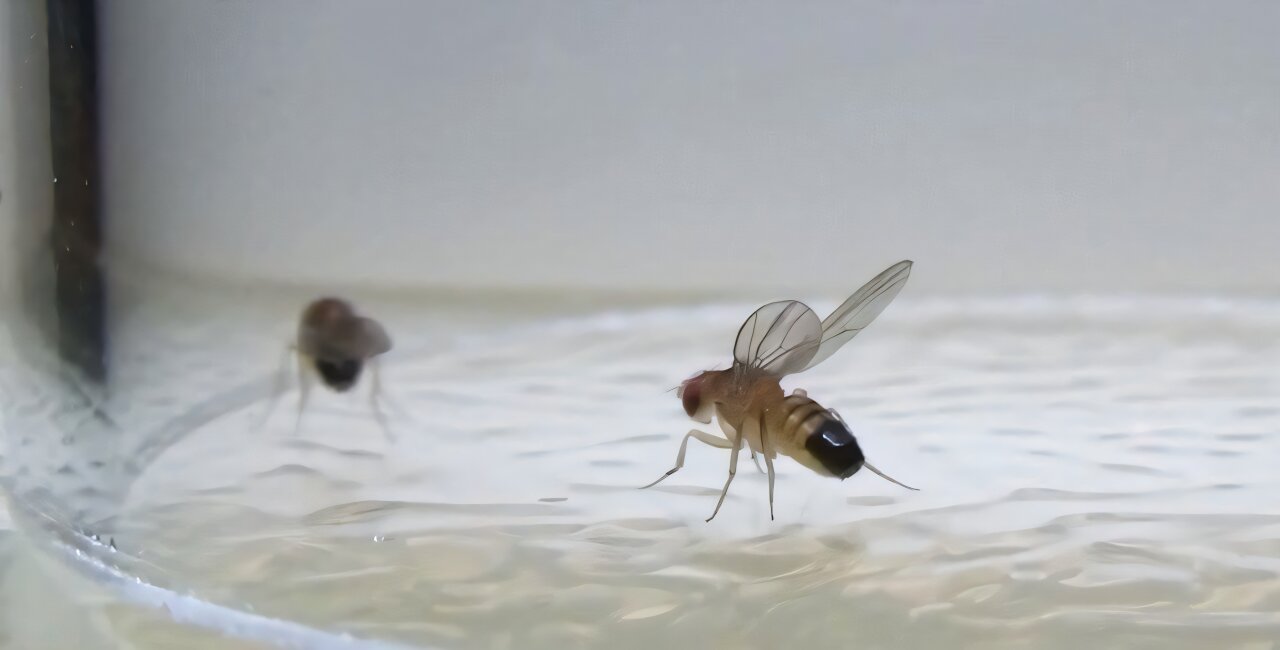
New study reveals brain wiring
Scientists found that distinct brain circuits connect to the wings and legs of Drosophila melanogaster. These separate modules govern the animal's ability to perform intimidation behaviors. The research was led by graduate student Shuo Cao under David Anderson.
Evolution repurposes limbs for social use
While limbs originally evolved for locomotion, many species now use them for complex social interactions. Birds of paradise fan their wings during courtship, and crabs wave claws to communicate with mates. Humans similarly use limbs to dance or gesture while speaking.
Aggression requires coordinated neural control
The study explains how the brain manages distinct purposes for body parts like legs and wings. This discovery clarifies the neural basis for elaborate social displays seen across the animal kingdom. The findings appear in a paper led by the Tianqiao and Chrissy Chen Institute.
Reported by one outlet
Only one outlet has published this. Nothing here has been checked against a second report, so read it as that outlet's account and follow the link below for the original.
Reported by
1 independent outlet. Headline as published. Links open the original report.