Astronomers report helium gas escaping from exoplanet LHS 1140b
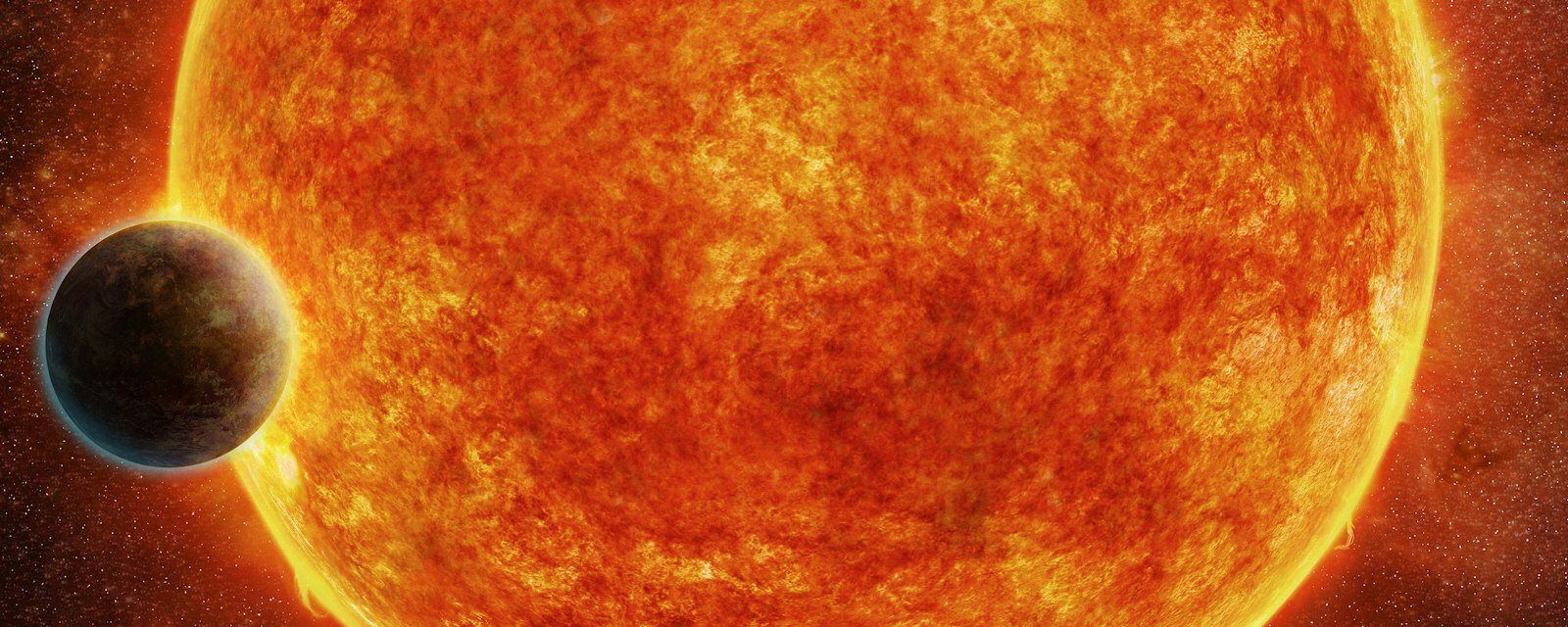
Reports indicate that the exoplanet LHS 1140b is emitting helium gas into space while orbiting a red star in the constellation Cetus.
Observations rule out hydrogen atmospheres
Previous observations using the James Webb Space Telescope determined that LHS 1140b does not possess a hydrogen-rich primary atmosphere. Scientists believe such an atmosphere would form during a planet's youth but is quickly lost to space. The absence of this initial layer suggests the world has moved past that short, transient phase in its history.
Helium signals a stable secondary layer
The reported detection of helium may indicate the presence of a secondary atmosphere that is more stable and long-lived. This type of atmosphere could persist for much longer periods compared to the fleeting primary atmospheres seen in other worlds. Researchers are now studying whether this gas emission supports the idea of a rocky world within the habitable zone.
Reported by one outlet
Only one outlet has published this. Nothing here has been checked against a second report, so read it as that outlet's account and follow the link below for the original.
Reported by
1 independent outlet. Headline as published. Links open the original report.