Trump threatens Europe with fuel bans to fix his own prices
The United States should stop using threats against allies and let global markets determine energy costs without political interference.
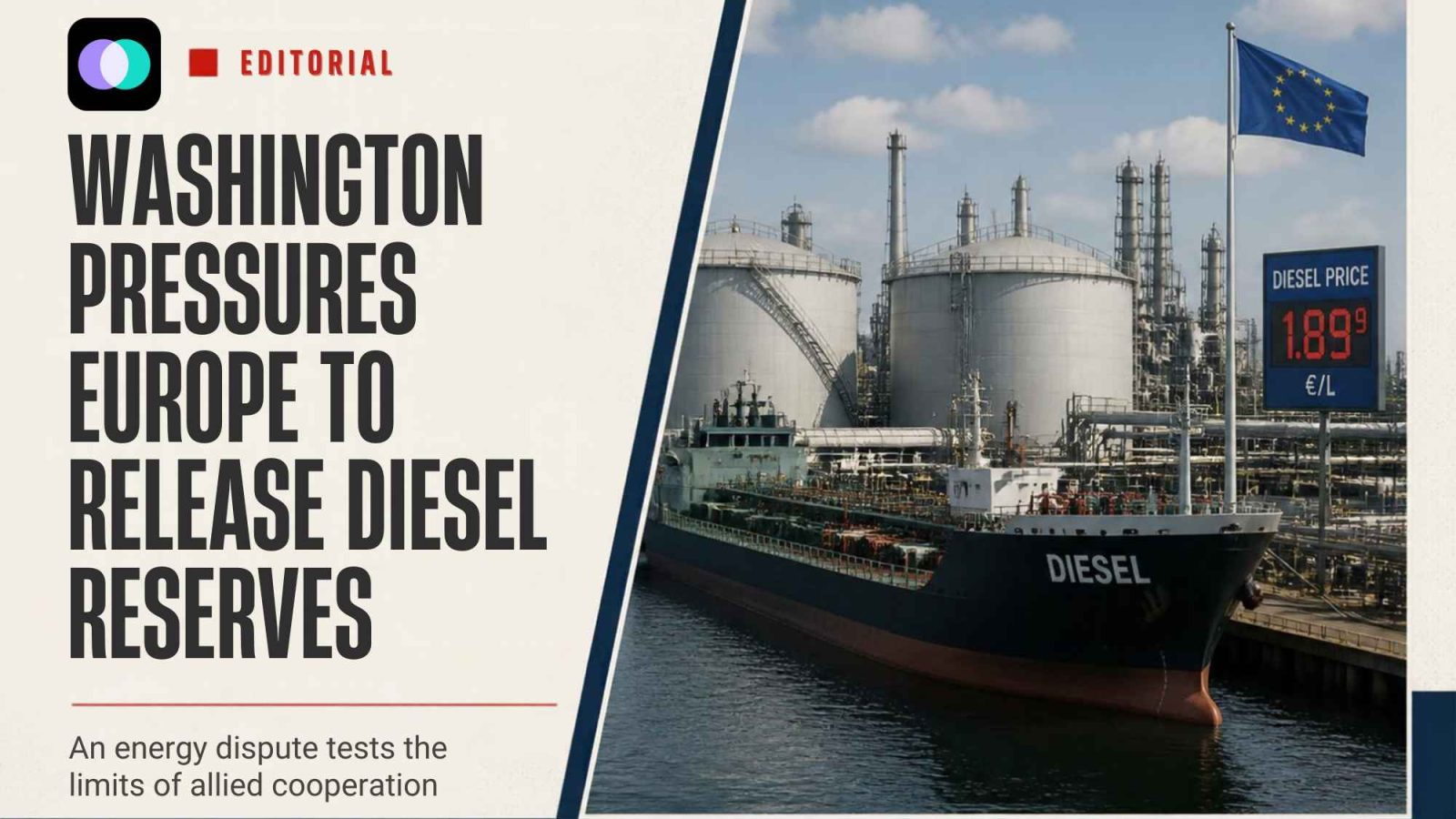
The Trump administration demands that European nations release emergency diesel stocks to lower American fuel prices before the midterm elections. This pressure targets France and Germany specifically because Washington believes they have not fully met earlier commitments to share reserves. Officials warn that failure to comply could result in a ban on US diesel exports to Europe. Such a move would punish allies who are already struggling with high costs caused by the war in Iran. The White House insists that American farmers and truckers must not carry the burden of global shortages alone.
European leaders have held urgent calls to discuss a coordinated response to these escalating demands from Washington. Talks involved ministers from Britain, Italy, Ireland and the European Commission alongside French and German counterparts. Reports indicate that the US wants twelve hundred million barrels of diesel released within six months. This quantity represents a significant portion of global strategic reserves held by NATO members. The urgency stems from interruptions in supply lines from the Middle East and China due to ongoing conflicts.
The threat of an export ban ignores the fact that Europe produces seventy percent of its own diesel domestically. Most fuel stations across the continent will not run dry even if US shipments stop completely. European countries store fuels in reserve specifically for times when global markets are disrupted by war or crisis. Competing for cargoes on the open market would likely drive prices higher rather than lower them. American consumers should expect to pay more if Europe refuses to sell fuel at a discount.
Trump claims that releasing these stocks will cause oil prices to drop like a rock once the war ends. This prediction assumes that the root cause of high prices is simply a lack of available inventory in Europe. The reality is that geopolitical instability and supply chain disruptions are driving up costs for everyone involved. American farmers and businesses face similar price pressures regardless of where the diesel originates from. Blaming Europe for global market conditions shifts responsibility away from US policy decisions.
The administration frames this issue as a matter of fairness between nations sharing a common security umbrella. Yet the approach resembles bullying rather than partnership when one superpower dictates terms to its allies. European states are not asking for special treatment while they manage their own energy crises independently. They are simply trying to balance domestic needs with international obligations under existing treaties and agreements. Forcing them to choose between American political demands and their own citizens interests creates unnecessary tension.
A ban on exports would hurt US companies that rely on stable relationships with European partners for trade. The logistics of moving fuel across the Atlantic depend on cooperation rather than coercion from Washington. If Europe retaliates or simply stops buying American diesel, American prices could rise just as much as they threaten to fall. This outcome contradicts the stated goal of helping American consumers pay less at the pump. Economic logic suggests that forcing a sale will not lower the overall cost of fuel globally.
The world should not accept constant threats from a single nation acting as a global bully over energy supplies. Nations must be free to manage their own reserves without fear of trade sanctions or political ultimatums. A healthy international order requires mutual respect rather than demands for immediate compliance with domestic election cycles. Leaders in Europe and beyond need to stand firm against pressure that prioritizes short term political gain. Long term stability depends on predictable rules that apply equally to all countries regardless of power.
Britain must take a strong stance alongside other allies to prevent the normalization of this coercive behavior. Ministers like Martin McCluskey should lead efforts to reject demands that undermine sovereign decision making on fuel reserves. The UK imports about one third of its diesel from the US and cannot afford to be held hostage by threats. Other nations should join Britain in calling for a return to market based solutions instead of political interventions. Only through unity can Europe protect itself from future attempts to weaponize energy supplies against it.
The United States must stop using threats to fix problems that are better solved through diplomacy and free trade. President Trump should withdraw the threat of an export ban and allow global markets to function normally. European allies will continue to work together to ensure energy security without needing American permission or pressure. This approach respects the sovereignty of every nation while maintaining strong bonds between friends and partners. The world needs leaders who build trust rather than those who demand submission through fear.