Scientists detect radio signals from exoplanet beta Pictoris b for first time
A team of astronomers led by Kevin Ortiz Ceballos detected radio signals from the exoplanet beta Pictoris b on September 22, 2026.
A team of astronomers led by Kevin Ortiz Ceballos detected radio signals from the exoplanet beta Pictoris b on September 22, 2026.
Indian electricity generated from solar, wind, hydro and nuclear sources met over half of peak demand during a hot July afternoon.
Social media personalities and tech startups are portraying nicotine as a wellness product that improves focus and protects against cognitive decline.
A Rice University-led team published a theoretical strategy to eliminate directional bias when assembling magnetic particles using rotating fields.
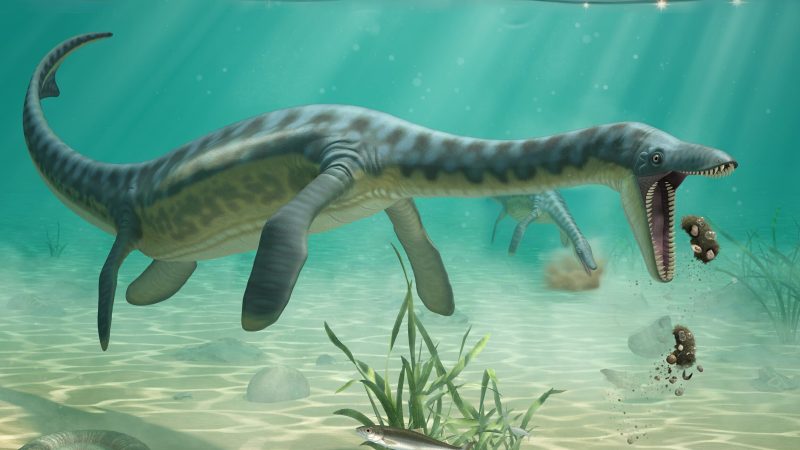
New research published by Cambridge University Press reveals that Jurassic plesiosaurs swam into Norwegian river deltas to regurgitate indigestible shells.
A team led by Professor Jung-Il Hong at DGIST successfully altered the spin configuration of a ferrimagnetic alloy using current pulses to lower its compensation temperature.
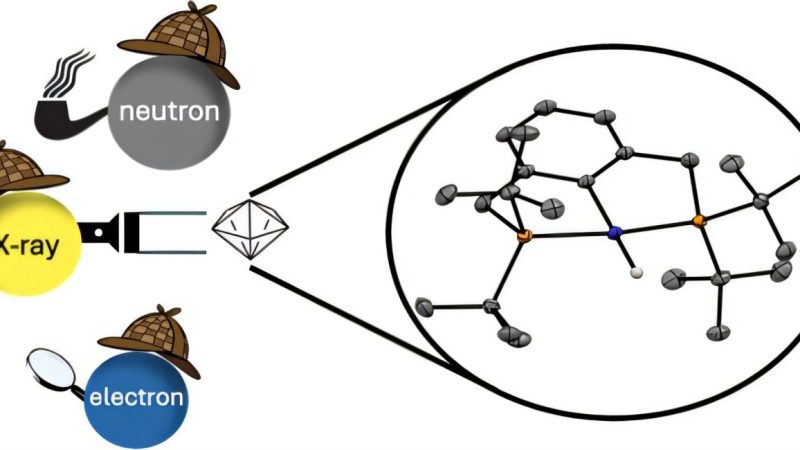
Yale scientists report that a microcrystal electron diffractometer can accurately find hydride atoms in cobalt-hydride structures better than standard X-ray methods.
An international research team published findings in Nature Biomedical Engineering that injectable nanoparticles can make blind retinas respond to light in a preclinical study.
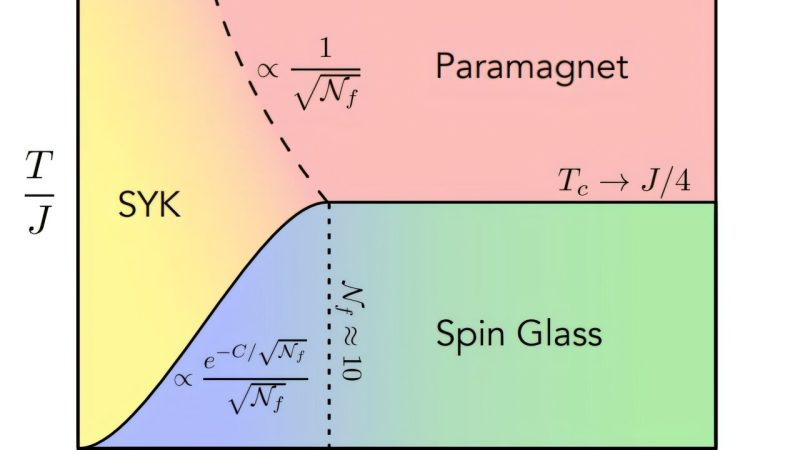
A team led by University at Buffalo physicists published a study on September 17 in Physical Review Letters describing a mathematical link between spin glasses and the SYK model.
A pilot study published in the International Journal of Innovation and Learning found that virtual reality helped 30 students with dyslexia learn English vocabulary better than conventional teaching.