Tohoku University researchers identify molecular features for better PFAS adsorbents
A review by Tohoku University scientists published in ACS Materials Au outlines key molecular traits to improve water filtration materials for PFAS removal.
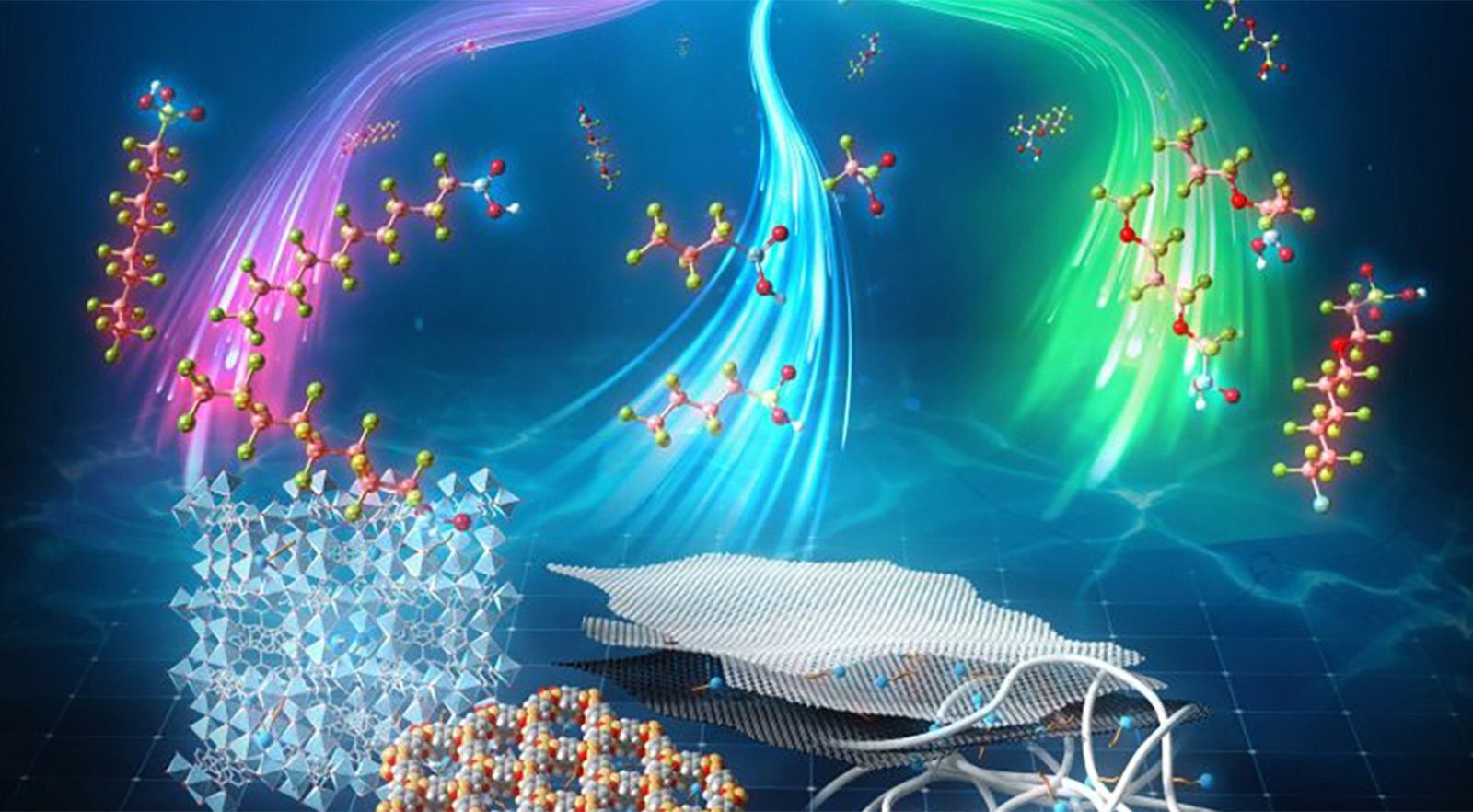
Study focuses on specific chemicals
The team examined well-known compounds such as perfluorooctanesulfonic acid and perfluorooctanoic acid. They also included other substances currently covered by monitoring frameworks in the European Union and Canada. This broad scope helps ensure the findings apply to a wide range of persistent pollutants found in water supplies.
Adsorption method explained clearly
Researchers aim to enhance capture capabilities by tailoring material surfaces to interact with specific molecules. The process involves PFAS attaching directly to the surface of a specialized adsorbent. By adjusting these interactions, the new materials can target chemicals that are difficult to eliminate using standard methods.
Industrial applications drive need
PFAS are utilized across many sectors including semiconductor manufacturing and firefighting operations. Their ability to repel water and oil makes them valuable for textiles and food packaging. Health concerns regarding these stable chemicals have increased the demand for effective removal strategies.
Reported by one outlet
Only one outlet has published this. Nothing here has been checked against a second report, so read it as that outlet's account and follow the link below for the original.
Reported by
1 independent outlet. Headline as published. Links open the original report.