Singapore scientists build world most accurate atomic clock using lutetium
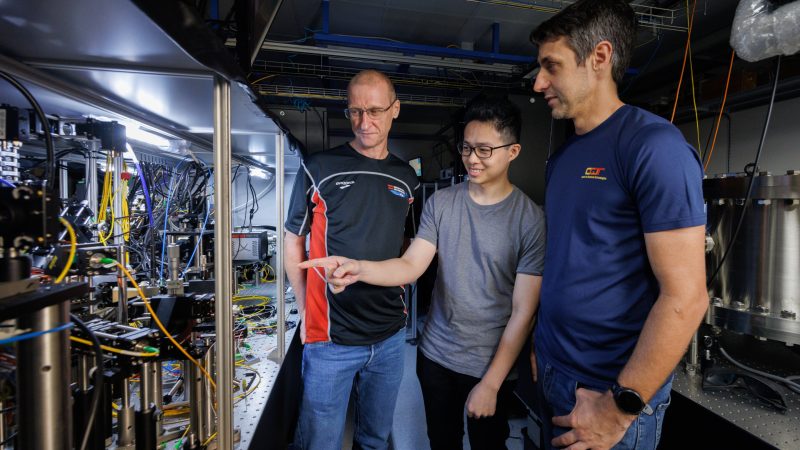
Researchers at Singapore's Centre for Quantum Technologies published results on September 23 showing their new atomic clock is the most accurate in the world.
Researchers at Singapore's Centre for Quantum Technologies published results on September 23 showing their new atomic clock is the most accurate in the world.
An international team led by the University Medical Center Göttingen has developed a technique to visualize eight different proteins simultaneously in a single staining step.
A University of Freiburg study published in Nature Sustainability finds that higher support for the Alternative for Germany party correlates with slower uptake of electric cars and solar panels.
Tal Boger and Chaz Firestone from Johns Hopkins University published new research in Nature Human Behaviour on September 23, 2026.
A team led by Henderson used advanced statistical methods to study wave energy contributions at Torrey Pines State Beach in California over a 60-day period.
Two new reports released earlier this month indicate Canada must increase efforts to tackle climate change before global temperatures cross the 1.5°C threshold.
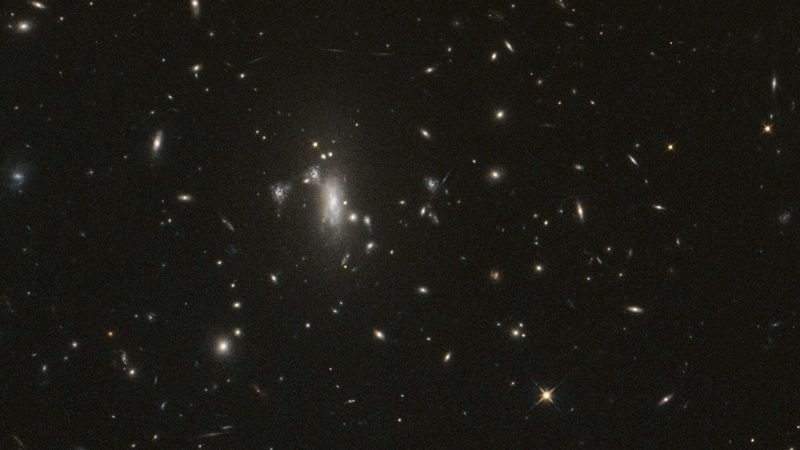
NASA's Hubble Space Telescope finished its 200,000th orbit around Earth on September 19 while observing a specific target.
School vacations bring more time together for families, leading to increased arguments that require careful parental management.
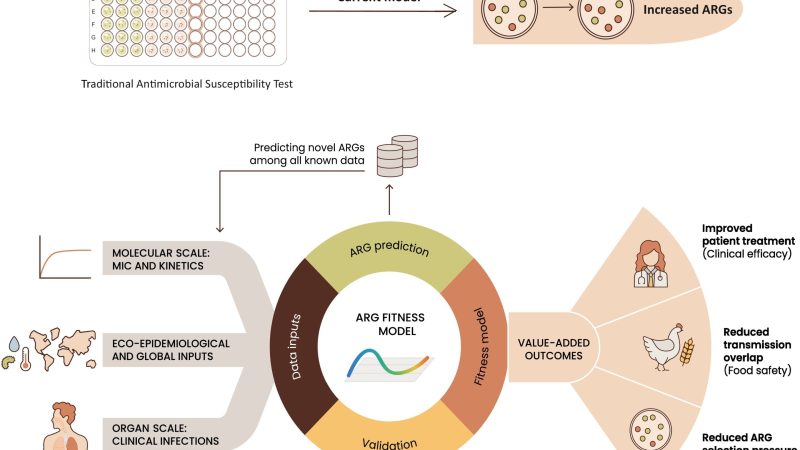
A group of researchers published an opinion piece in Trends in Microbiology calling for updated antibiotic resistance testing methods.
Researchers found geochemical evidence of extinct and active microbial communities in Red Sea brine pools.