New study links helping others to human intelligence and social status
Researchers published findings in the journal Evolution and Human Behavior on November 2, 2026, stating that intelligence gains respect only when used to assist others.
Researchers published a study in Current Biology on November 2 comparing the brains of domesticated, aggressive, and wild foxes.
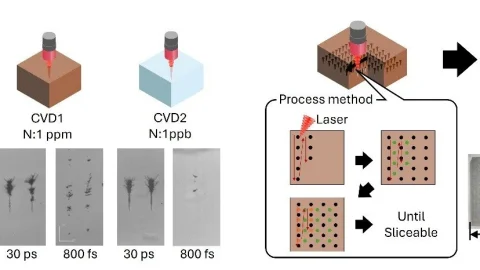
A team at Chiba University in Japan published a study on November 1, 2026, regarding how ultrashort laser pulses cut different kinds of laboratory diamonds.
Researchers using NASA Hubble data analyzed 37 nearby dwarf galaxies to determine how much oxygen they retain compared to what their stars produced.
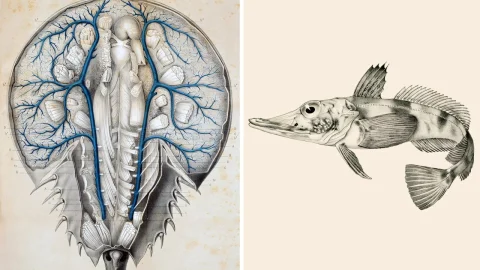
Scientists from the University of Oregon and the University of Montana explain how copper-based proteins cause blue blood in certain creatures.
Scientists explain how specific fungi and parasites control the movement and decision-making of living insect and rodent hosts.
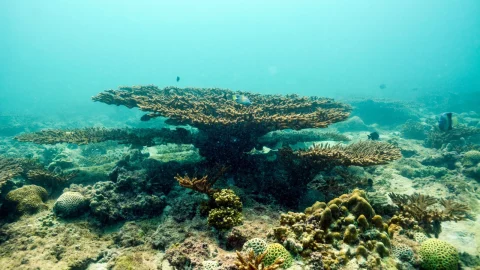
A new study from NYU Abu Dhabi published in Nature Microbiology reveals how coral-associated bacteria help corals survive extreme heat by producing steroid hormones.
Organizational researcher Rachel Waldo from Lund University argues that luxury brands shape employee meaningfulness based on interviews with workers at LVMH.
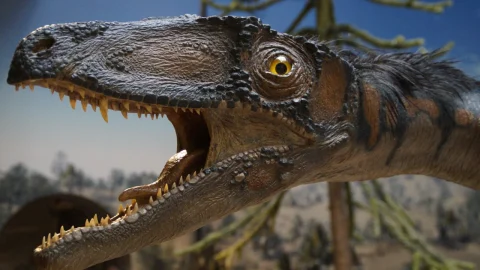
An international team led by Curtin University has identified mineralized red blood cells and heme molecules in a 115-million-year-old theropod dinosaur from northwestern Brazil.
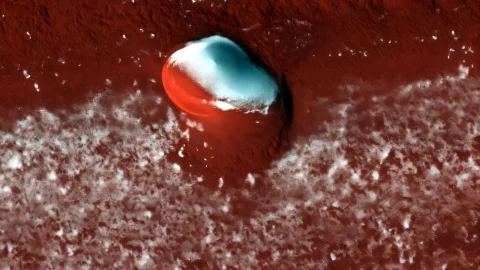
Researchers published a study in the Journal of Geophysical Research: Planets about how water ice moves in Mars' northern polar craters during seasonal frost.