NYU Abu Dhabi study shows coral bacteria produce heat-stress hormones
A new study from NYU Abu Dhabi published in Nature Microbiology reveals how coral-associated bacteria help corals survive extreme heat by producing steroid hormones.
Bacteria compensate for coral hormone loss
High temperatures cause corals to lose their ability to produce steroid hormones needed for immune regulation. Research associate Amin Mohamed explained that bacterial partners step in to fill this gap. These bacteria generate testosterone and progesterone when the water gets too hot.
Immune response strengthens under heat stress
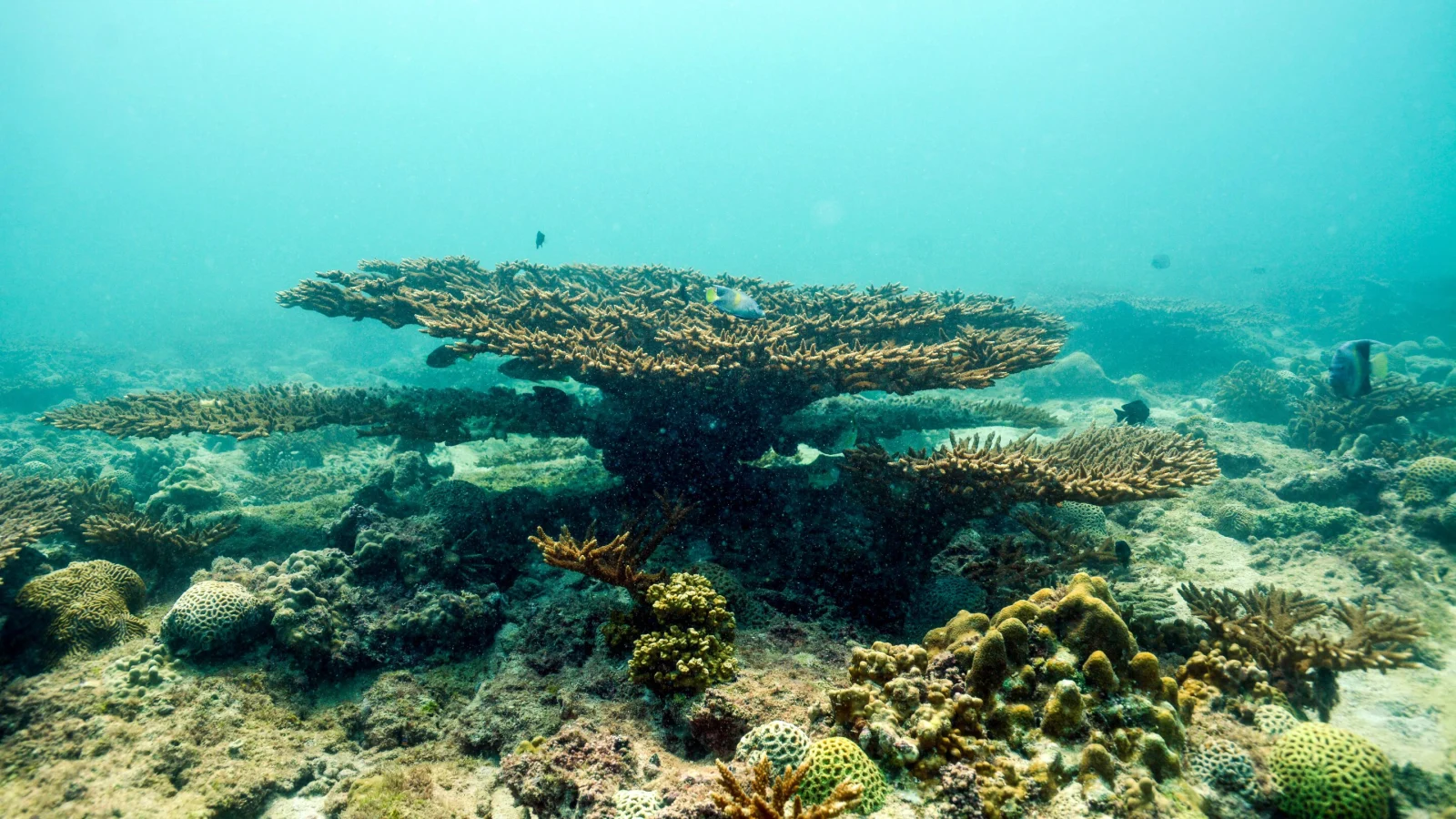
The produced hormones allow coral cells to mount a stronger immune response against environmental stress. This mechanism increases the survival rate of the coral tissue during heat events. The research focused on Acropora pharaonis corals collected near Saadiyat Island in the Arabian Gulf.
Findings offer new conservation insights
Understanding this bacterial compensation could inform future approaches to protecting reefs as ocean temperatures rise. The study provides fresh insight into how corals respond to environmental stress globally. Scientists hope these findings will help develop strategies to support coral resilience.
Reported by one outlet
Only one outlet has published this. Nothing here has been checked against a second report, so read it as that outlet's account and follow the link below for the original.
Reported by
1 independent outlet. Headline as published. Links open the original report.