Scientists find fossilized dinosaur blood cells in 115-million-year-old Brazilian bones
An international team led by Curtin University has identified mineralized red blood cells and heme molecules in a 115-million-year-old theropod dinosaur from northwestern Brazil.
Chemical proof of ancient blood
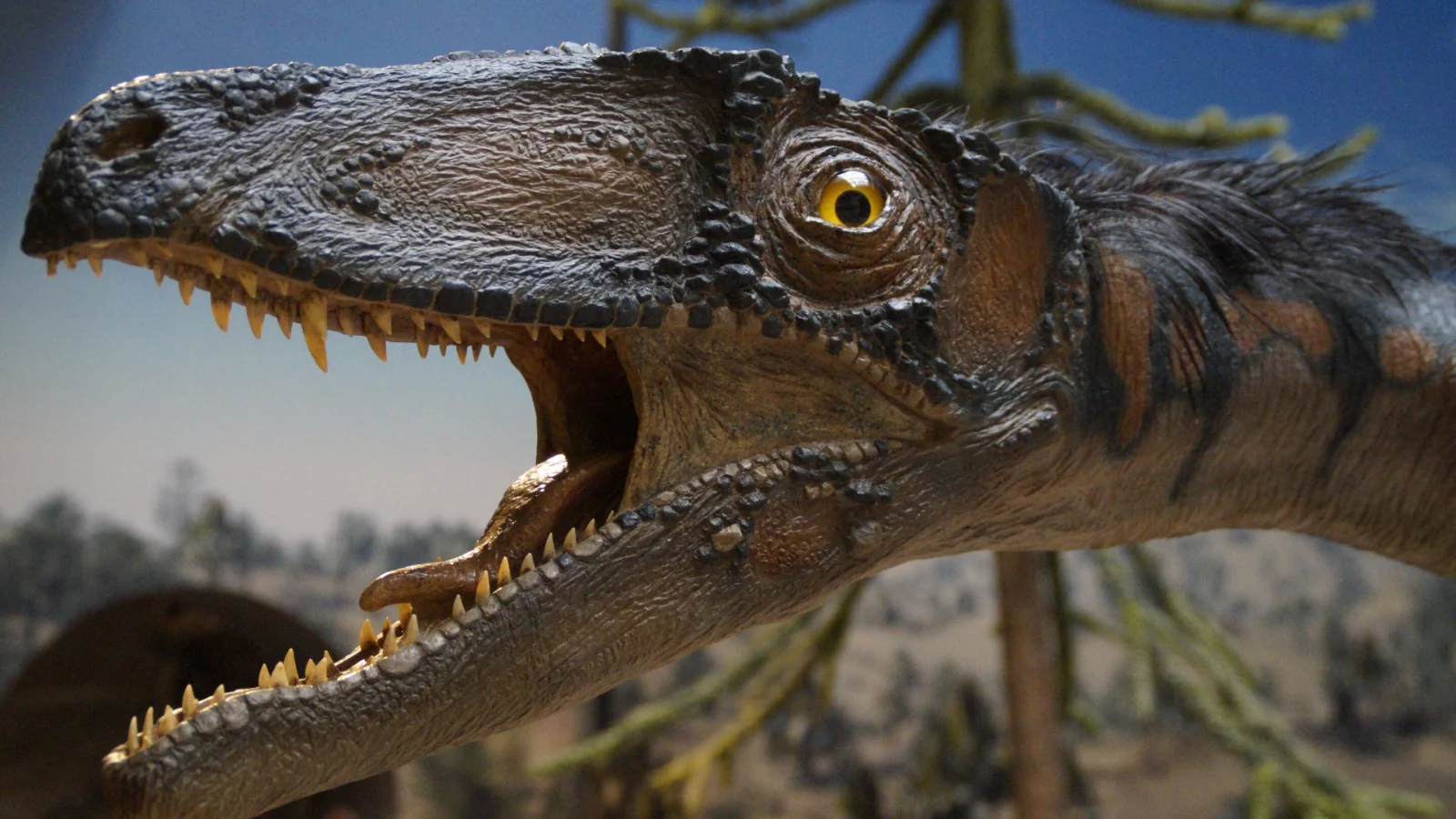
Researchers analyzed limb bones of the Aratasaurus museunacionali and found numerous red blood cells preserved within vascular canals. This study marks the first time scientists have chemically confirmed the presence of hemoglobin-derived molecules inside dinosaur fossil cells. Previous reports suggested possible structures, but this work provides definitive evidence of intact heme biomolecules.
Study published in science journal
The findings were released in Proceedings of the National Academy of Sciences by a group including Kliti Grice from Curtin University. Grice described detecting these molecules as an astonishing landmark discovery that extends understanding of molecular longevity. The research reshapes how paleontologists view fossil preservation and what fossils can reveal about deep time.
Reported by one outlet
Only one outlet has published this. Nothing here has been checked against a second report, so read it as that outlet's account and follow the link below for the original.
Reported by
1 independent outlet. Headline as published. Links open the original report.