New research explains why some animals have blue or purple blood
Scientists from the University of Oregon and the University of Montana explain how copper-based proteins cause blue blood in certain creatures.
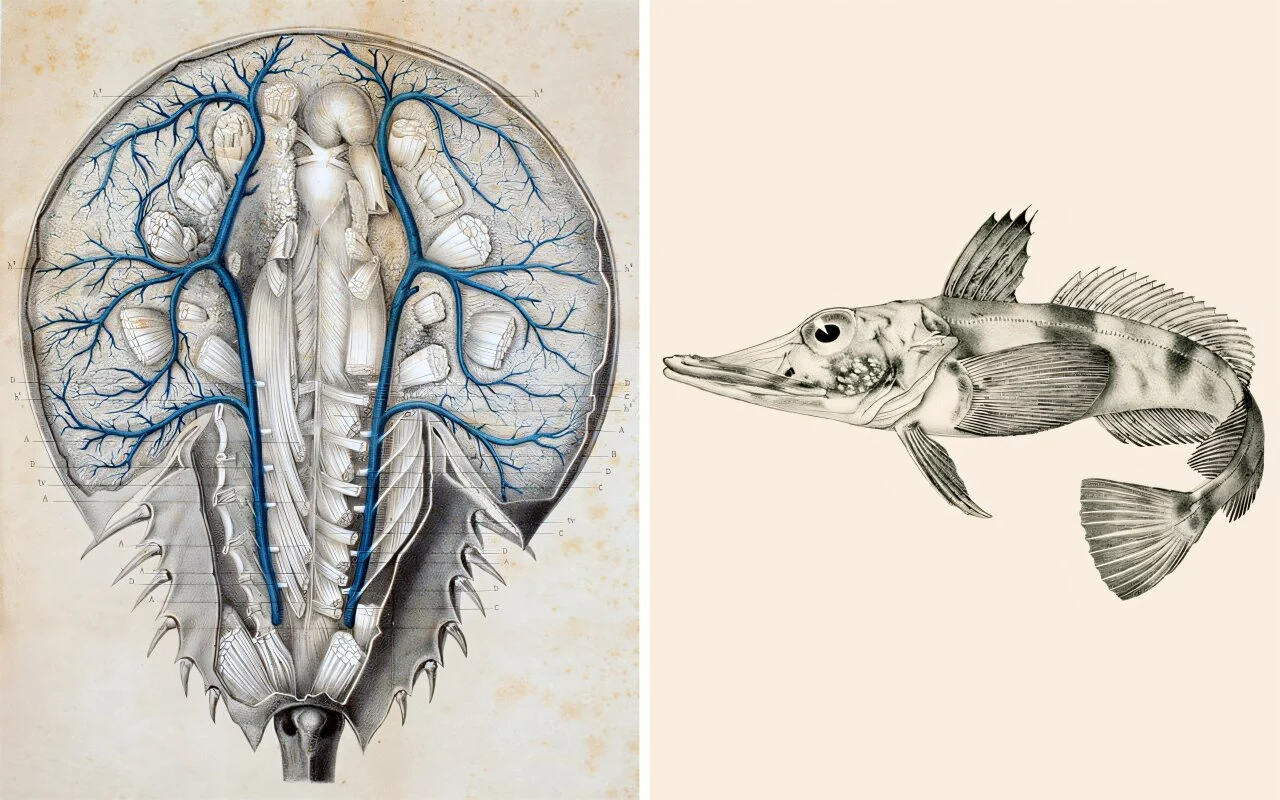
Iron creates red human blood
Human blood appears red because hemoglobin contains iron atoms that bind to oxygen. When these iron atoms hold oxygen, the liquid turns a bright cherry red color. Less oxygen bound to the iron makes the blood look like a muddier brown-red.
Copper makes octopus blood blue
Octopuses and squid use a protein called hemocyanin instead of hemoglobin to carry oxygen. This protein contains copper atoms which turn the fluid blue when they bind with oxygen. Crustaceans such as shrimp and crabs also rely on this copper-based system for oxygen transport.
Oxygen efficiency varies by species
Hemocyanin does not bind to oxygen as efficiently as hemoglobin does in humans. Despite this lower efficiency, the copper-based protein functions especially well in cold water environments. Researchers are still investigating exactly how these different chemical compositions affect animal survival.
Reported by one outlet
Only one outlet has published this. Nothing here has been checked against a second report, so read it as that outlet's account and follow the link below for the original.
Reported by
1 independent outlet. Headline as published. Links open the original report.