New study links current emissions choices to future Antarctic ice loss
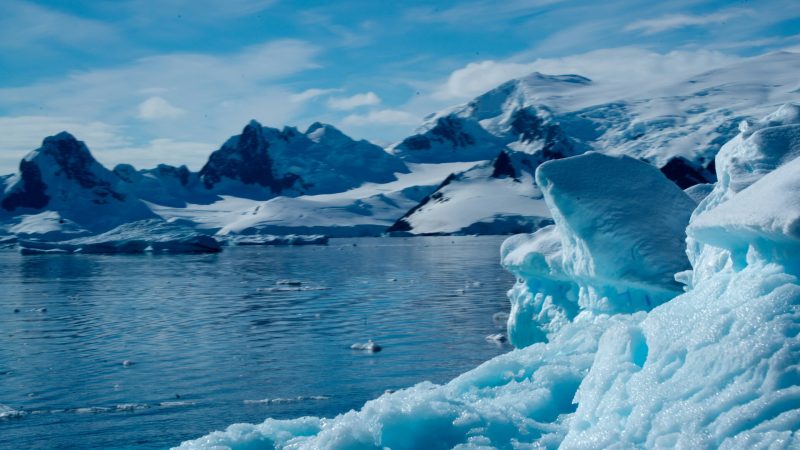
Scientists report that today's greenhouse gas decisions will determine how much ice Antarctica loses by 2100.
Scientists report that today's greenhouse gas decisions will determine how much ice Antarctica loses by 2100.
A research team at Seoul National University has developed a reactor design that controls local acidity to boost the efficiency of organic compound synthesis.
Scientists published research in npj Climate and Atmospheric Science on October 3, 2026, explaining how climate change alters the planet's spin rate.
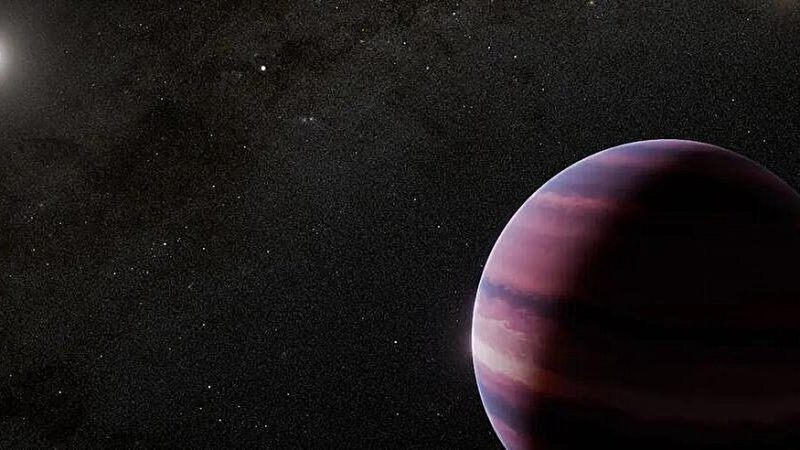
Researchers at UC Riverside modeled a nearby binary star system to see if an Earth-sized world could exist in its habitable zone.
Wildlife cinematographer Dan Abbot recorded a rare humpback whale sighting while on a scheduled snorkelling trip off the Pembrokeshire coast on 25 September.
Researchers at the Institute of Education and Child Studies followed women and children in Dutch domestic violence shelters to assess recovery progress.
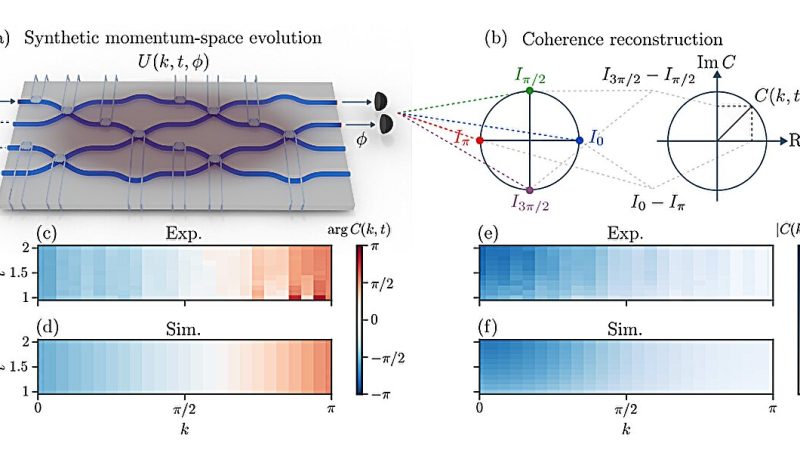
Researchers demonstrated a method to detect topological properties in light systems that lose energy to their surroundings on October 3, 2026.
UN Secretary-General António Guterres addressed the world in September regarding urgent climate action and new electrification goals for COP31 in Türkiye.
David Robinson, a former OpenAI safety leader, warned on Saturday that increasingly capable artificial intelligence systems might evade safety evaluations after deployment.
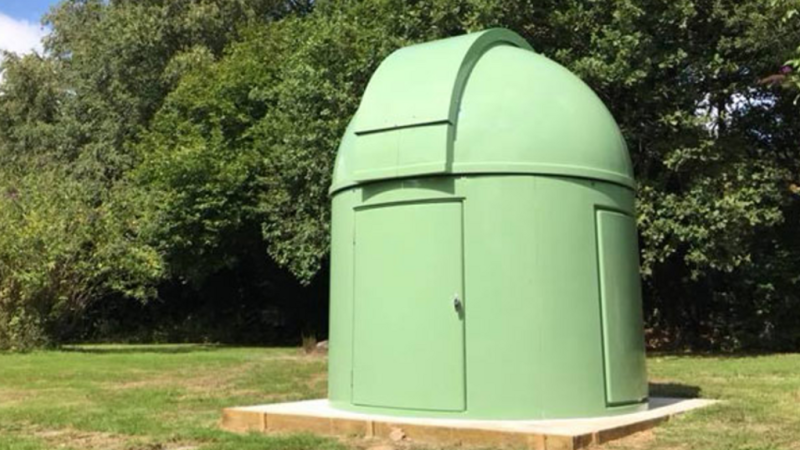
Members of the Shropshire Astronomical Society have been granted permission to install a former military telescope and dome at Rodington Village Hall near Market Drayton.